Beluga Whale Relocation
Over Two Dozen Beluga Whales Relocated After Canadian Aquarium Closure
Anonymous
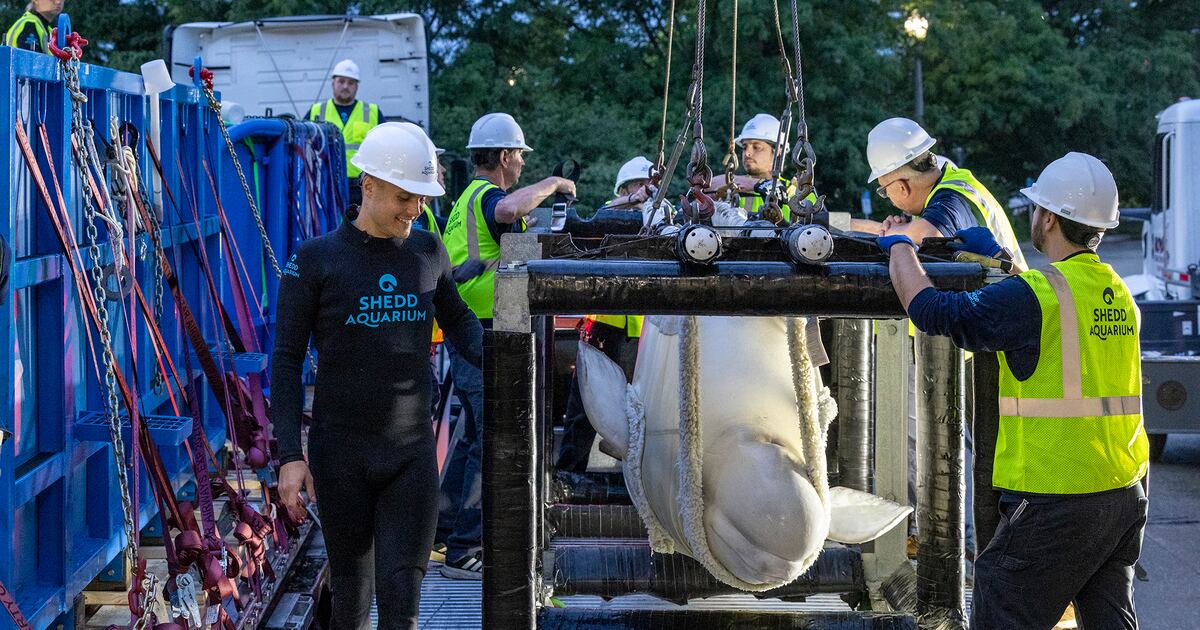
More than two dozen beluga whales are on the move after Marineland Park, a Canadian aquarium, shut its doors in 2024. Boston 25 News reported that the whales are being split up and sent to several different aquariums. It is one of the largest beluga whale relocations in history.
Beluga whales are large, white, social animals that need specialized care and large tanks. Moving them is a massive logistical challenge. Teams of experts are working to make sure each whale arrives safely at its new home.
Marineland Park Closes After Years of Controversy
Marineland Park, located in Niagara Falls, Ontario, closed in 2024. The park had faced years of public pressure over how it treated its animals. Critics and animal welfare groups argued that keeping belugas in captivity caused the whales serious harm. The closure marked the end of a long chapter for one of Canada's most well-known animal attractions.
After the closure, officials had to find new homes for the park's animals fast. The beluga whales were the biggest challenge. There were more than two dozen of them. Finding enough space at qualified facilities took careful planning across multiple organizations.
Dozens of Belugas Transported to New Aquarium Homes
The whales are being sent to several aquariums across North America. K92.3 Orlando reported that each receiving facility had to meet strict standards for tank size, water quality, and animal care. Belugas can grow up to 15 feet long and weigh over 3,000 pounds, so moving them requires specialized equipment and trained staff.
Each transfer involves putting the whale in a padded sling filled with water. Teams monitor the animal's heart rate and breathing throughout the trip. Some transfers take only a few hours. Others involve long flights or truck rides across state and national borders.
Experts Warn Relocation Puts Real Stress on Whales
Moving a beluga whale is not simple. The animals are highly social and bond closely with others in their group. Separating them can cause stress and anxiety. Vets watch the whales closely for signs of trouble during and after the move. KISS Rocks noted that care teams are on hand at every step of the process.
Animal welfare groups are watching the transfers closely. Some say the best outcome would be to eventually move the whales to sea sanctuaries, where they can live in more natural conditions. For now, the priority is making sure all the animals get settled safely into their new facilities.
What Happens Next for the Relocated Belugas
Once the whales arrive at their new homes, they go through a period of adjustment. Staff introduce them slowly to other animals and new routines. It can take weeks or months before a beluga feels fully comfortable. Aquariums track each whale's health, appetite, and behavior during this time.
The Marineland closures have sparked a bigger conversation about keeping whales in captivity. Several countries have already moved to ban or limit the practice. Canada passed a law in 2019 restricting new cetacean captivity, though existing animals were allowed to stay. The fate of these belugas puts a spotlight on what the future of marine animal care should look like.
Sentiment
NeutralNEGATIVENEUTRALPOSITIVE
Publishers
7
Articles
6
Reach
7
A
AnonymousAuthor


