Officials Warn of Scams Targeting Inmate Families, Victims
Officials Warn of Scams Targeting Inmate Families, Victims
Anonymous
Key Points
1
In Fulton County, scammers often call during the period between an inmate’s booking and the inmate’s first legitimate call to family members or advocates, exploiting a window when relatives may have limited information.
2
Fulton County officials said the callers may continue calling repeatedly even after a person becomes suspicious or says they intend to contact police, adding pressure to the payment demand.
3
The North Carolina Attorney General’s Office said similar scams have been reported in other parts of the United States, although it was unclear how many complaints had been made to the state office.
4
Nisha Williams of the North Carolina Coalition Against Domestic Violence said earlier domestic-violence scams generally targeted defendants by falsely claiming there was an arrest warrant and demanding a wire transfer; the newer scheme instead targets survivors.
5
State officials and advocacy groups said local crisis hotlines and Family Justice Centers provide free support around the clock, countering callers’ claims that survivors must pay for community assistance.
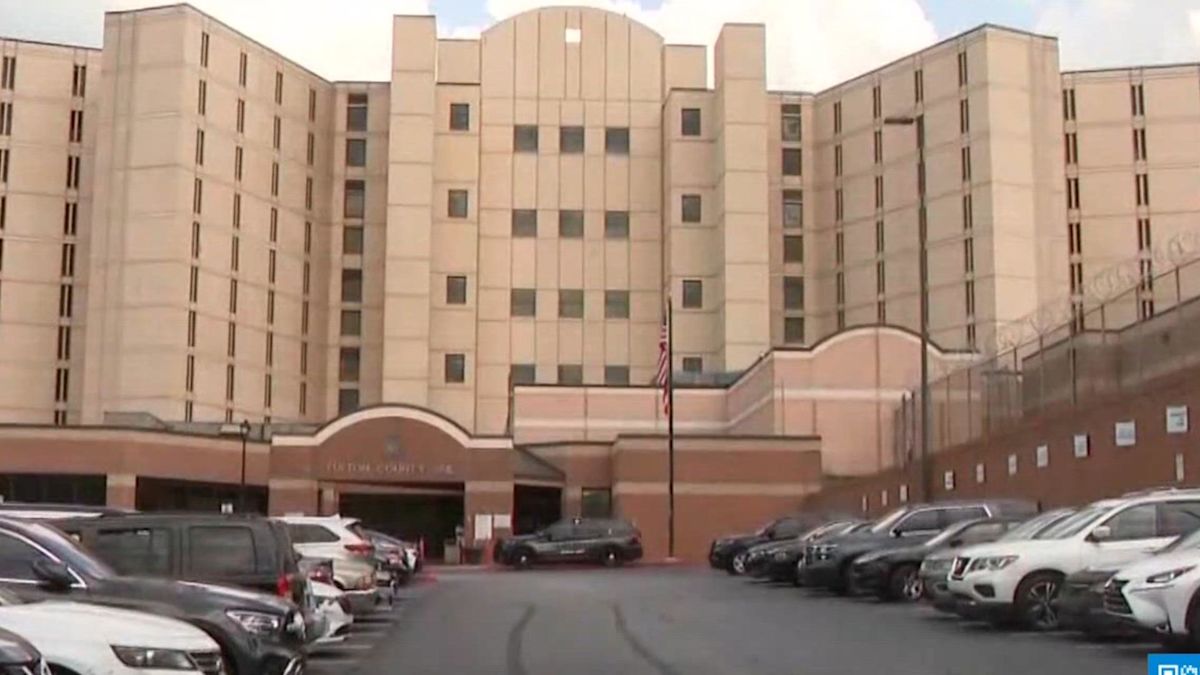
Scammers are targeting families of newly booked inmates in Georgia and domestic violence survivors in North Carolina with urgent calls demanding payment through hard-to-trace methods. Georgia Authorities say fraudsters impersonate bail bondsmen and jail officials, using real custody details to pressure relatives into sending money via cash apps, gift cards, or wire transfers. North Carolina Officials report similar schemes where callers pose as law enforcement or court staff, falsely claiming that victim services, bond processing, or protective orders cost money.
The scams exploit a critical window: the time between an inmate's booking and their first real phone call home, when families have limited information. North Carolina Advocates warn that callers may keep phoning repeatedly, increasing pressure even after someone becomes suspicious. Officials stress that legitimate agencies never demand payment by phone, and all protective orders and victim services are completely free.
How the Fulton County Inmate Scam Works
Callers target families during the booking window—when relatives don't yet know if their loved one has called or what their actual bail is. Fulton County Officials say scammers use real custody details from jail records and cite medical emergencies, extra fees, or threats of release to create urgency. They demand payment through cash apps, gift cards, wire transfers, and other methods that are nearly impossible to reverse.
One key tactic: persistent calling. Even when someone says they're calling police or becoming suspicious, the scammer keeps calling back, escalating the pressure. Local Law Enforcement emphasized that real bail bondsmen and jail staff will never demand immediate payment over the phone without proper documentation.
North Carolina's Shift to Targeting Abuse Survivors
North Carolina scammers have shifted their focus from defendants to domestic violence survivors. NC Coalition Against Domestic Violence noted that older schemes falsely claimed an arrest warrant existed and demanded wire transfers from defendants. The newer scheme instead targets survivors, claiming they must pay for bond reviews, protective-order processing, or electronic monitoring of abusers.
Callers deliberately discourage victims from contacting real advocates, claiming victim-support services cost money. North Carolina Attorney General said the scams have spread to other states, though the exact number of complaints remains unclear. All protective orders and victim services are free, and crisis hotlines and Family Justice Centers operate 24/7 at no cost.
How to Protect Yourself From These Scams
If you receive a suspicious call, hang up immediately and avoid sharing any money or personal information. State Officials recommend verifying any claims by calling law enforcement directly using a phone number you know is real—never use a number the caller provides. Contact NC Attorney General or a trusted victim-service provider if you're unsure about a call's legitimacy.
Report suspected fraud to the North Carolina Consumer Protection Division at 1-877-5-NO-SCAM. If you're a domestic violence survivor, call the 24-hour hotline instead of sending money to any caller. Remember: legitimate agencies will never demand phone payment, and genuine victim services are always free.
Sentiment
Mostly NegativeNEGATIVENEUTRALPOSITIVE
Publishers
18
Articles
21
Reach
39
A
AnonymousAuthor


