Financial Power in Foreign Policy
Treasury Secretary Scott Bessent Defends Using Financial Power as Foreign Policy
Anonymous
Key Points
1
The administration’s financial toolkit also includes tariffs and the seizure of nearly $1 billion in Iranian cryptocurrency assets under “Operation Economic Fury,” extending beyond currency support and foreign-exchange intervention.
2
The July 31 yen-buying intervention initially strengthened Japan’s currency, but the yen later gave back some gains as traders questioned how much capital the U.S. Treasury could deploy; subsequent yen gains were also driven by expectations of a Bank of Japan rate hike.
3
Market attention intensified after the dollar-yen exchange rate fell below 155, a closely watched technical threshold, while traders assessed the likelihood of further intervention and a potential Bank of Japan rate increase.
4
The broader regional strategy has drawn criticism from rights advocates, who described actions including the reported seizure of Venezuelan leader Nicolás Maduro and deadly Caribbean boat strikes as imperial and potentially extrajudicial; the Trump administration says such measures advance U.S. interests and combat drug trafficking and illegal immigration.
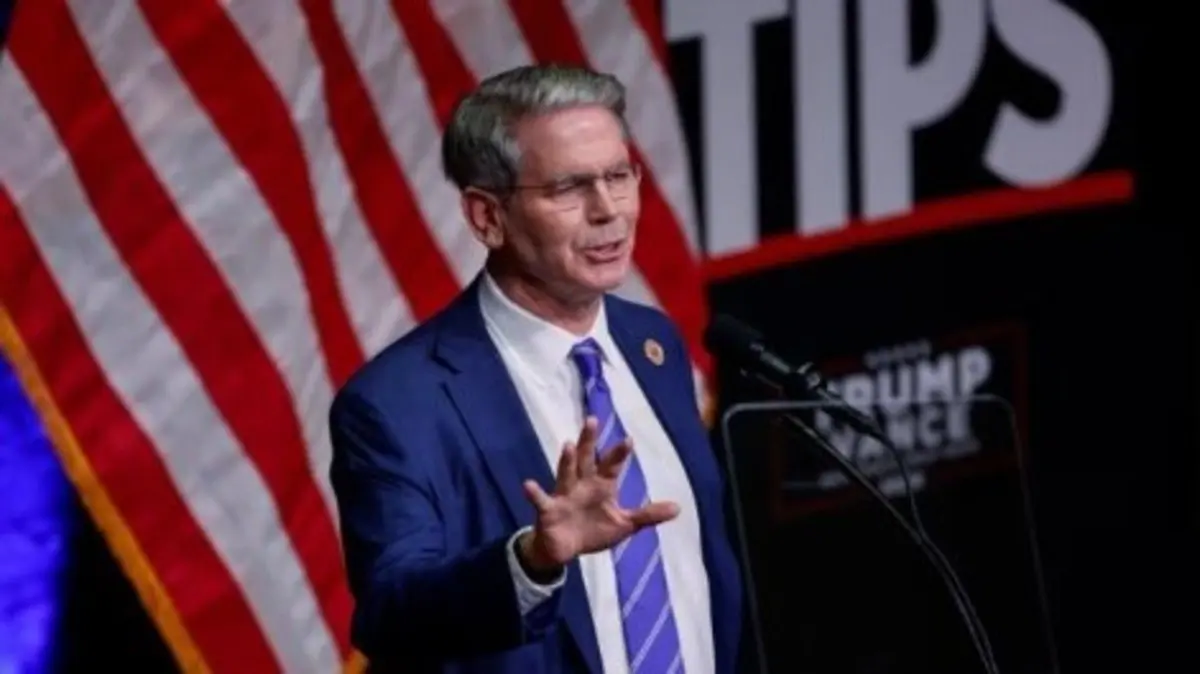
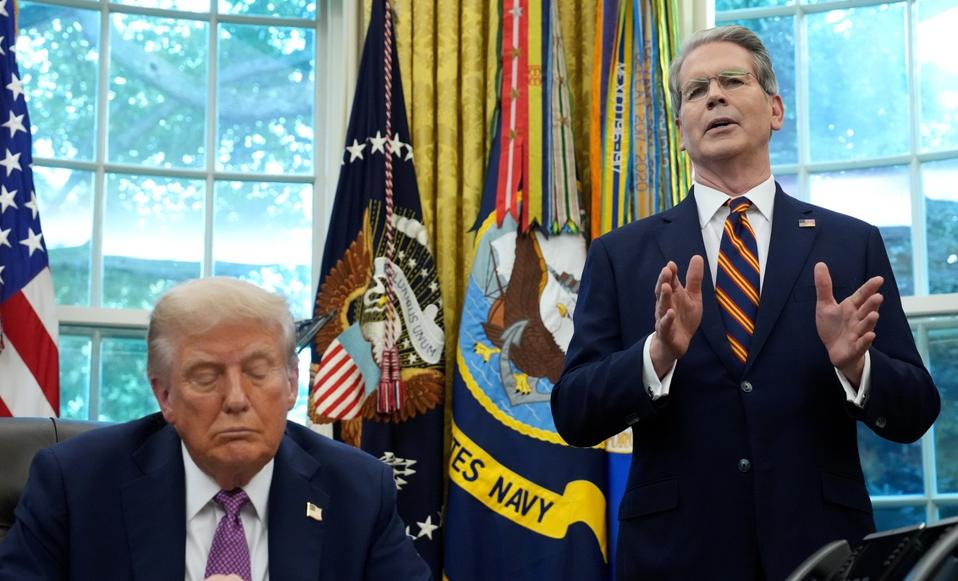
Treasury Secretary Scott Bessent told currency traders that he controls the foreign exchange market, declaring "I am the house now" after the US and Japan jointly intervened to support the yen Bloomberg. His bold statement reflects the Trump administration's strategy of weaponizing America's financial system—including currency intervention, tariffs, and asset seizures—to reshape global alliances and advance national interests Forbes.
Bessent cited multibillion-dollar US support for Argentina's economy and the yen-buying operation as examples of using Treasury tools for foreign policy Crypto Briefing. The administration is also seizing nearly $1 billion in Iranian cryptocurrency assets under "Operation Economic Fury," extending its financial toolkit well beyond traditional currency moves.
Bessent's Bold Bet on Market Control
Speaking at Southern Methodist University on September 9, Bessent claimed he has "asymmetric" information about Japan's monetary policy that no trader can match Bloomberg. He argued his direct access to Japanese policymakers gives Washington an unfair advantage in currency markets. The warning signals the Treasury's willingness to deploy massive capital to influence exchange rates.
The yen-buying intervention initially strengthened Japan's currency when the dollar-yen rate fell below the critical 155 threshold Crypto Briefing. But traders quickly questioned how much firepower the Treasury could sustain, causing the yen to lose some gains. Later yen strength also reflected expectations of a Bank of Japan rate hike.
Argentina Aid and Western Hemisphere Strategy
The administration funneled billions to Argentina to stabilize its currency and prop up President Javier Milei's government. This financial backing demonstrates Washington's direct influence over friendly nations' economic policies. Critics argue it shows the US willingly meddles in foreign political affairs to build allied regimes.
Bessent's framing reveals a shift in US foreign policy: traditional diplomatic tools now take a backseat to financial coercion. The Treasury can now offer or withhold support based on geopolitical alignment, tightening America's grip over the Western Hemisphere's economic fate.
Expanding Financial Weapons Beyond Currency Markets
Bessent's toolkit extends far beyond yen intervention. The administration seized nearly $1 billion in Iranian crypto assets, imposed sweeping tariffs, and deployed sanctions as financial punishment Forbes. Each tool targets adversaries while rewarding allies, turning the entire US financial system into an instrument of statecraft.
Rights advocates criticize this approach as imperial and potentially extrajudicial. The reported seizure of Venezuelan leader Nicolás Maduro and deadly Caribbean boat strikes have drawn condemnation. The Trump administration counters that such measures combat drug trafficking and illegal immigration while advancing core US interests.
Sentiment
Mostly PositiveNEGATIVENEUTRALPOSITIVE
Publishers
20
Articles
102
Reach
122
A
AnonymousAuthor