Synergy-Driven Profit Growth
Carlsberg Elevates Full-Year Profit Guidance, Faster Britvic Synergies Drive Gains
Key Points
First-half organic operating profit rose 5.9% year-on-year, with total operating profit of DKK 7.448 billion and a margin of 15.8% (up 30 basis points).
Soft drinks volume growth and strong alcohol-free beer performance: soft drinks up 7.8% and alcohol-free beer up 11% globally, with Western Europe alcohol-free beer up about 15%.
China/Asia volumes declined notably, with second-quarter volumes down 6% and first-half volumes down 3%, underscoring ongoing regional headwinds from weather and softer demand.
Britvic synergy progress: about half of the £110 million of synergies realized, with cost-savings ahead of schedule and now expected to be delivered in 2026 (earlier 30–40% target).
Analysts highlighted Asia as the main disappointment, with Carlsberg citing severe weather in China—typhoons and flooding—as factors likely to spill into the third quarter.
Carlsberg has raised its full-year guidance after a stronger-than-expected start to 2026, driven by booming sales of soft drinks and alcohol-free beer from its £3.3 billion Britvic acquisition. The Danish brewer now expects organic operating profit growth of 4–6% for the full year, up from its earlier forecast, according to Shropshire Star.
In the first half, Carlsberg posted organic operating profit growth of 5.9% year-on-year. Total operating profit reached DKK 7.448 billion, with margins rising 30 basis points to 15.8%. The results show a company leaning hard into non-alcoholic growth as beer demand softens globally.
Britvic Synergies Arrive Faster Than Anyone Expected
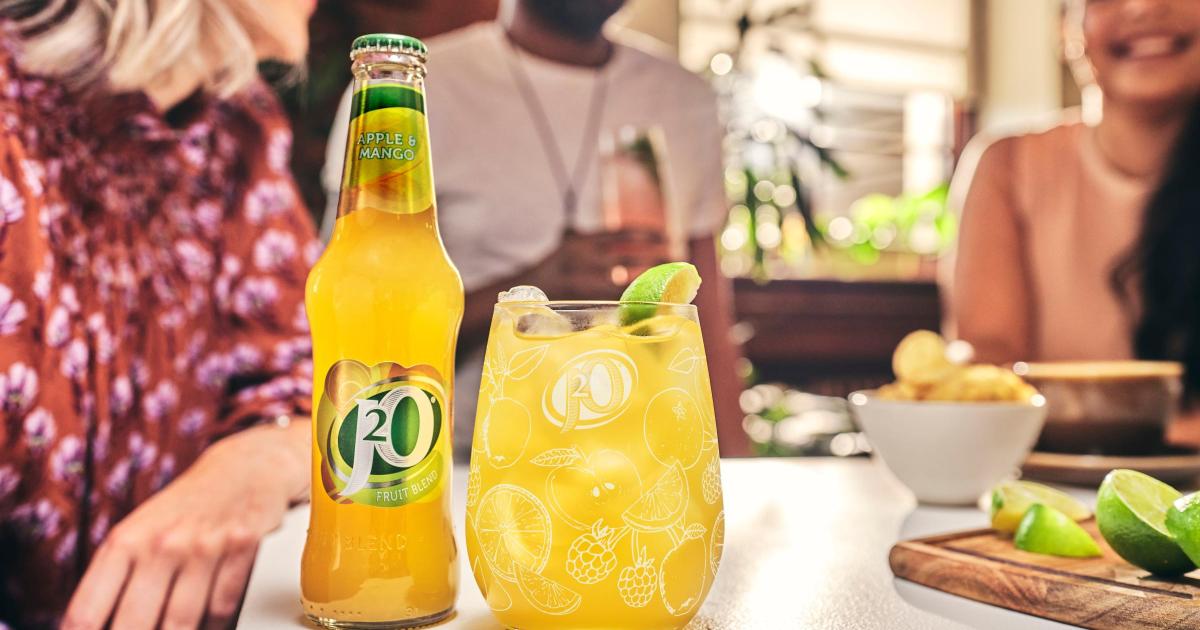
When Carlsberg bought Britvic — the maker of J2O and Robinsons — it promised £110 million in annual cost savings. It originally aimed to hit 30–40% of that target by end of 2026. It has already hit roughly half, according to Largs and Millport News.
That early progress is a big deal. Synergies are the cost savings that happen when two companies merge — cutting duplicate roles, sharing supply chains, and combining operations. Hitting 50% ahead of schedule means the deal is paying off faster than investors hoped. The full £110 million in savings is now expected to land in 2026 rather than later.
Soft Drinks and Alcohol-Free Beer Drive Volume Gains
Carlsberg's soft drinks volumes rose 7.8% in the first half. Alcohol-free beer grew even faster — up 11% globally, with Western Europe leading the charge at roughly 15% growth. These two categories are now central to Carlsberg's growth story, not a side note, according to The Comet.
New partnerships are helping fuel this push. Carlsberg has teamed up with Sapporo and PepsiCo to expand its reach in both beverages and new markets. The company is betting that as drinkers cut back on alcohol, it can still capture their spending with softer alternatives.
China Volumes Slump as Typhoons and Flooding Hit Demand
Asia was the clear weak spot. China beer volumes fell 6% in the second quarter and 3% in the first half overall. Carlsberg blamed severe weather — typhoons and flooding — for keeping consumers at home and hitting on-premise sales like bars and restaurants, according to Gazette and Herald.
Analysts flagged Asia as the main disappointment in the results. Carlsberg warned the weather impact is likely to spill into the third quarter too. That is a meaningful headwind. China is one of the world's largest beer markets, so even small volume drops there weigh heavily on group results.
Carlsberg Stays Cautious Despite the Upgraded Outlook
Despite lifting guidance, Carlsberg kept its tone measured. The company flagged geopolitical disruptions as a risk that could dent consumer confidence and spending power. It did not name specific flashpoints, but the warning reflects a broader unease across the drinks industry heading into the second half.
The results also highlight a wider industry shift. Alcoholic drink consumption is declining in many markets. That is pressuring beer volumes across the sector. Carlsberg's move into soft drinks and alcohol-free products through Britvic looks well-timed. It gives the company new revenue streams exactly when its core beer business needs them most.
Sentiment
Mostly NegativePublishers
15
Articles
46
Reach
61


