Focused Anime Storytelling
Critically acclaimed anime series are praised for focused storytelling and satisfying narrative conclusions.
Anonymous
Key Points
1
Shiki’s moral deterioration is illustrated through Natsuno Yuuki’s transformation and the villagers’ descent into violence, showing how fear can make ordinary people capable of horrifying acts rather than positioning one side as wholly heroic.
2
Hunter x Hunter’s sophisticated Nen power system is identified as a major reason the series remains inventive; its depth and nuance support the anime’s ability to develop conflicts without simply repeating familiar battle-shonen formulas.
3
Fullmetal Alchemist: Brotherhood structures its 64 episodes around the Elric brothers’ original objective: finding the Philosopher’s Stone to rectify the grave mistake that set the story in motion.
4
Astra Lost in Space connects its planet-by-planet survival challenges to a larger cloning conspiracy, including Zack Walker’s connection to Quitterie Raffaeli’s family; the revelations build toward a defined future for the entire crew.
5
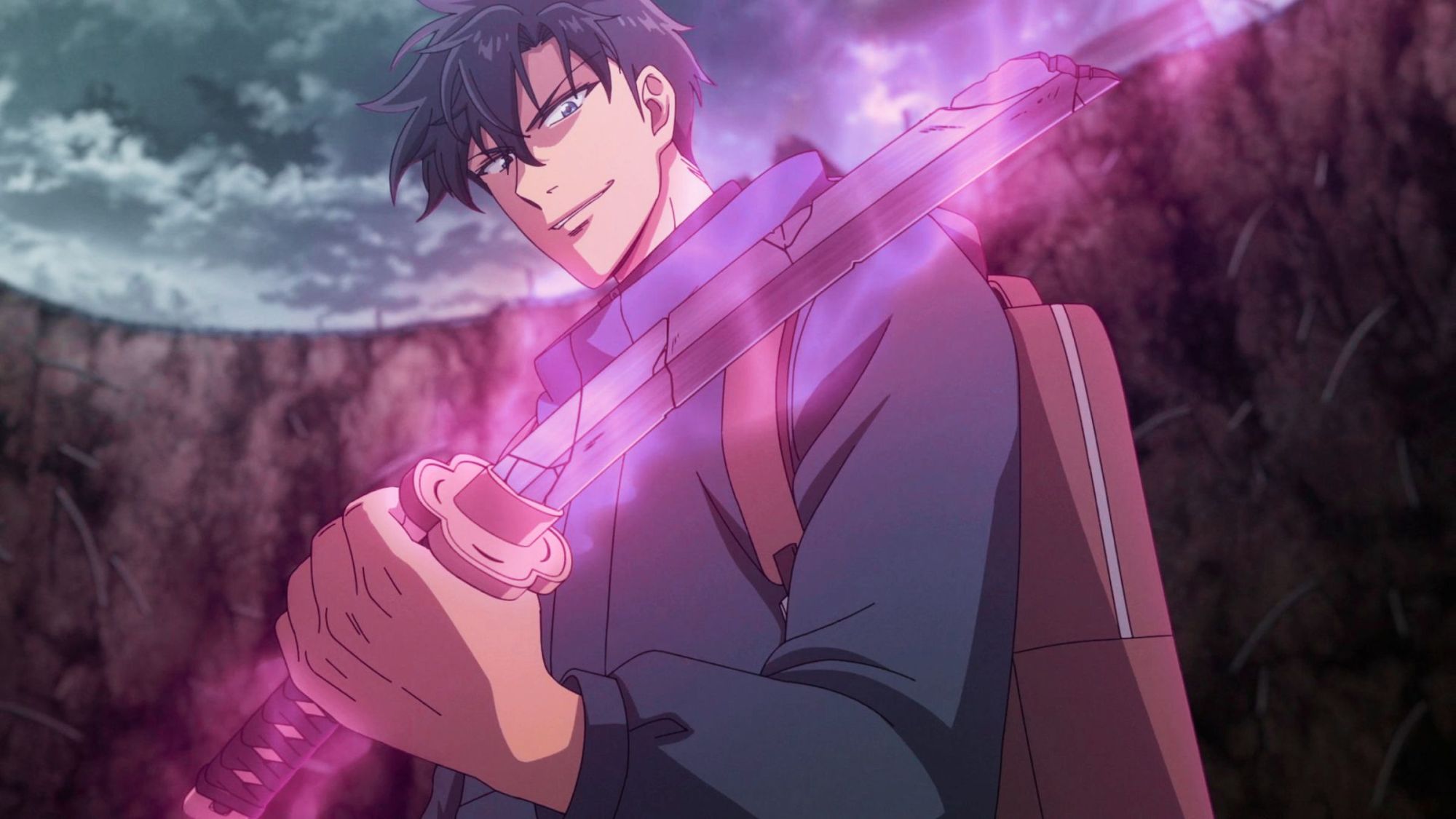
Kaiju No. 8 frames Kafka Hibino’s heroism around his years spent cleaning up kaiju remains before gaining the ability to fight them, making his failed Defense Force ambition the continuing emotional center of the story.
Anime audiences increasingly praise series that maintain tight narratives, clear missions, and payoff without filler—a stark contrast to sprawling shows that lose focus. CBR and Fandom Wire highlight productions like Fullmetal Alchemist: Brotherhood, Astra Lost in Space, and Hunter x Hunter as masterclasses in purposeful storytelling, where every arc advances a central objective and character arcs build toward satisfying conclusions.
Whether through genre shifts, complex power systems, or episodic mysteries that layer into larger conspiracies, these series prove that runtime matters less than narrative intention. Dark fantasy tales like Shiki and Dororo examine moral ambiguity and consequence, while shonen adventures like Kaiju No. 8 sustain momentum by grounding heroism in years of struggle and delayed payoff.
Hunter x Hunter's Genre-Shifting Reinvention
Hunter x Hunter avoids the trap of repetition by transforming its storytelling across distinct arcs—martial arts tournaments, crime noir investigations, and game-inspired quests each feel like a different genre, yet all share the same thematic DNA. CBR identifies the Nen power system as the engine behind this flexibility; its depth and nuance let creators develop new conflicts without recycling familiar battle-shonen formulas. Each arc builds on Nen's rules while exploring fresh narrative terrain.
Fullmetal Alchemist's 64-Episode Mission
Fullmetal Alchemist: Brotherhood structures every episode around a single anchoring goal: the Elric brothers' hunt for the Philosopher's Stone to undo their catastrophic alchemical mistake. Fandom Wire notes that this laser focus means no subplot exists in isolation. Side quests, character backstories, and world-building all feed back into the brothers' central objective, eliminating filler and creating a narrative engine that propels viewers toward an earned finale.
Astra Lost in Space: Twelve Episodes, One Mystery
Astra Lost in Space proves that tight runtime forces tighter storytelling. CBR highlights how the show connects each planet-by-planet survival challenge to a larger cloning conspiracy, with revelations like Zack Walker's connection to Quitterie Raffaeli's family tying together episodic adventures and deeper mythology. The twelve-episode run allows no room for detours—each mystery resolves toward a defined future for the entire crew.
Shiki and Dororo: Bleak Consequence and Bodily Autonomy
Dark fantasies like Shiki and Dororo avoid splitting narrative focus by intensifying rather than abandoning their original premises. Fandom Wire praises Shiki for illustrating moral deterioration through Natsuno Yuuki's transformation and villagers' descent into violence—fear makes ordinary people capable of horror, with neither side claiming moral high ground. Dororo sustains its emotional core through episodic storytelling that examines sacrifice, the cost of reclaiming humanity, and lasting consequences of violence without dilution.
Kaiju No. 8: Grounding Heroism in Delayed Payoff
Kaiju No. 8 avoids rushed triumph by framing Kafka Hibino's heroism around years spent cleaning kaiju remains before gaining the power to fight them. ComicBook notes this approach makes his failed Defense Force ambition the emotional anchor of the series, sustaining momentum not through power-ups but through deferred hope. The long wait for vindication deepens investment in his eventual rise, preventing heroism from feeling unearned.
Sentiment
Mostly PositiveNEGATIVENEUTRALPOSITIVE
Publishers
15
Articles
2
Reach
17
Topics
A
AnonymousAuthor


