Japan Opposes US ICC Sanctions
Japan Denounces US Sanctions on ICC Leadership, Reaffirming Strong Support for Global Justice
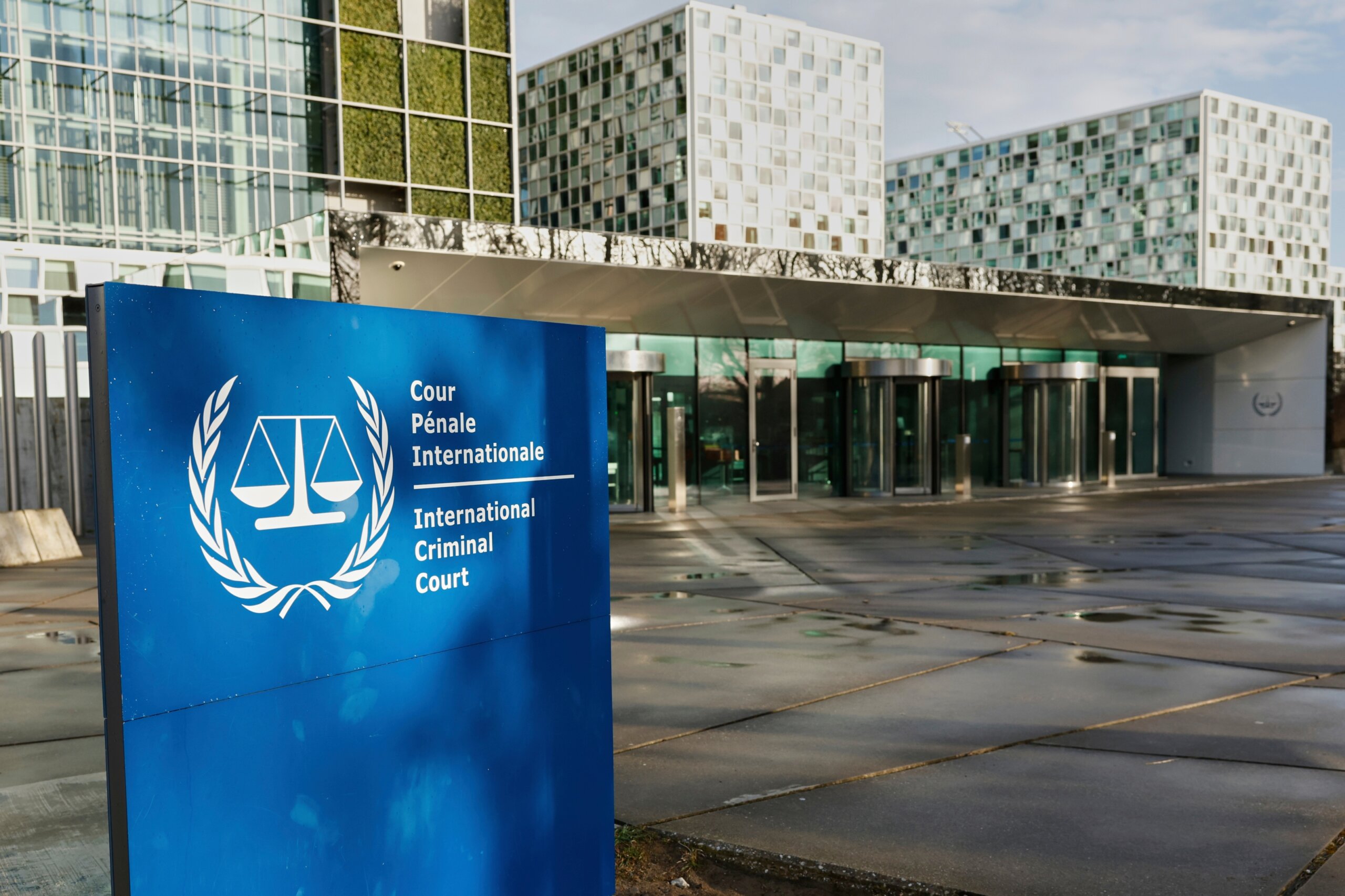
Key Points
Japan is the ICC's largest funder, underscoring Tokyo's significant stake in the court while it critiques U.S. sanctions.
The ICC stated that U.S. sanctions undermine the rule of law and could threaten the court's operations.
The Netherlands, which hosts the ICC, publicly opposed the sanctions and invited ICC President Akane to discuss continued support.
The United States has previously sanctioned several ICC prosecutors and judges, including in connection with arrest warrants for Netanyahu and Gallant and related investigations in Afghanistan.
Japan joined the ICC in 2007, reflecting its long engagement with the court prior to these sanctions.
Japan called U.S. sanctions on the International Criminal Court's top leadership "very unfortunate," becoming one of the first major American allies to formally protest the move. WTOP reported that the ICC itself condemned the sanctions as a "flagrant attack" on the tribunal's independence.
The Trump administration sanctioned ICC President Tomoko Akane — a Japanese national — and senior trial lawyer Abdoulaye Seye, imposing asset freezes and travel bans. Washington has framed the ICC as "corrupt and fatally politicised." Tokyo pushed back hard, stressing it is the court's largest funder and will keep supporting the rule of law.
Japan Calls Sanctions on Its Own National "Very Unfortunate"
Japan's Ministry of Foreign Affairs issued a sharp rebuke after the U.S. Treasury sanctioned Tomoko Akane, who is both ICC president and a Japanese citizen. Tokyo said it has "consistently supported" the ICC since joining the court in 2007. Democrata reported that Japan plans to maintain its commitment through international dialogue.
The stakes are high for Japan. It is the ICC's single largest financial backer, giving Tokyo far more skin in the game than most allies. Japanese officials did not threaten any countermeasures, but the public rebuke of a close ally was striking.
ICC Warns Sanctions Could Cripple the Court's Operations
The ICC did not stay quiet. The court called the U.S. move a "flagrant attack" on international justice. According to WTOP, ICC officials warned that the sanctions undermine the rule of law and could directly threaten the court's ability to function day-to-day.
Asset freezes and travel bans on senior staff make it harder for the court to operate. Akane, as ICC president, oversees the court's administration. Seye, as a senior trial lawyer, handles active prosecutions. Blocking either from accessing funds or traveling to The Hague disrupts real casework.
Netherlands Defends Its Court as Allies Push Back on Washington
The Netherlands, which hosts the ICC in The Hague, publicly opposed the sanctions. Dutch officials went further — they personally invited President Akane to discuss their continued support for the court. The move was a direct signal to Washington that European allies are not backing down.
This is not the first time the Trump administration has targeted the ICC. The U.S. has previously sanctioned ICC prosecutors and judges tied to arrest warrants for Israeli Prime Minister Netanyahu and Defense Minister Gallant, as well as investigations in Afghanistan. The pattern shows a broad campaign against the court, not a one-off move.
Washington Frames Sanctions as Response to Court Overreach
The Trump administration argues the ICC has no authority over countries that never joined the court, including the United States and Israel. Officials say the targeted individuals took part in ICC actions against leaders who rejected the court's jurisdiction. Washington sees the sanctions as a necessary check on what it calls misconduct.
Critics say that argument misses the point. The ICC was built precisely to act when national courts won't. Sanctioning the court's president and lawyers, allies argue, sets a dangerous precedent. It signals that powerful nations can simply punish judges and prosecutors they disagree with — a threat to every international institution.
Sentiment
Mostly NegativePublishers
15
Articles
42
Reach
57


