New Heart Risk Screening
New Medical Guidelines Recommend Routine Lp(a) Blood Tests for All Adults to Screen Heart Risk
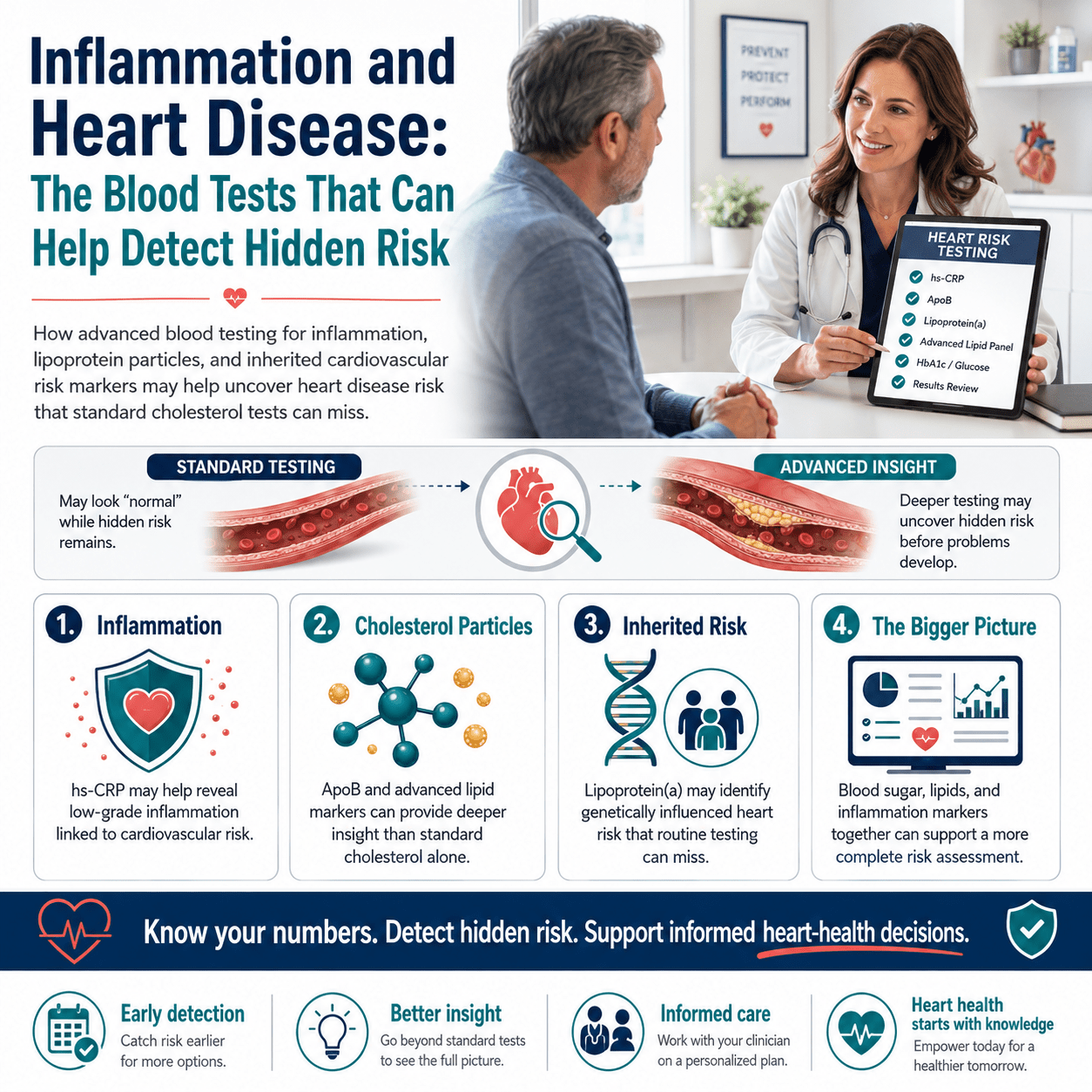
A simple blood test that most doctors don't order could reveal whether you're at risk for a heart attack or stroke. The Lp(a) test measures lipoprotein(a), a genetically inherited particle that standard cholesterol tests miss entirely. Now, major medical groups are recommending every adult get tested at least once, according to Bradenton. About 1 in 5 people have elevated Lp(a) levels — and they have no idea until a serious cardiac event strikes.
The new 2026 guidelines from the American College of Cardiology and the National Lipid Association mark a major shift in heart disease prevention. The Lp(a) test costs just $24 to $49 out of pocket, Kentucky reports, yet it's rarely included in routine annual physicals. Unlike regular cholesterol, Lp(a) is both atherogenic and thrombogenic — meaning it clogs arteries AND causes blood clots. For the estimated 70 million Americans with elevated levels, this test could be life-changing.
Why Cholesterol Tests Miss the Real Danger
Your cholesterol panel tells an incomplete story. Standard lipid panels measure total cholesterol, LDL, HDL, and triglycerides — but they skip Lp(a) entirely. Lp(a) is a modified form of LDL with a protein tail called apolipoprotein(a), The State explains. This tail makes Lp(a) uniquely dangerous: it sticks to artery walls and triggers blood clots simultaneously.
Traditional risk factors like diet and exercise barely move Lp(a) levels. That's because Lp(a) is determined almost entirely by your genes. If your parents had high Lp(a), you likely do too. This means millions of people at serious risk for heart disease appear "healthy" on standard tests.
New Guidelines Push Universal Screening for All Adults
The 2026 American College of Cardiology guidelines represent the first major recommendation for widespread Lp(a) screening. The National Lipid Association issued the same directive: test every adult at least once, Herald Sun reports. This is not optional — it's now standard medical practice. Early detection lets doctors intervene before damage occurs.
Testing once in adulthood is typically enough, since Lp(a) levels stay stable throughout your life. The entire test costs under $50 out of pocket, making it affordable for almost everyone. Yet despite these guidelines, many primary care doctors still don't order it routinely. Patient awareness is the missing link.
What to Do If Your Lp(a) Is Elevated
High Lp(a) doesn't mean a heart attack is inevitable. Doctors can manage the risk through aggressive cholesterol control, blood thinners, and lifestyle changes, Kansas City reports. Some newer medications target Lp(a) directly, lowering it by up to 50%. These drugs are not yet widely available but are coming soon.
The key is knowing your number before a crisis happens. Idaho Statesman notes that elevated Lp(a) often runs silently in families for generations. One heart attack survivor discovers a sibling, cousin, or parent had the same genetic risk — but it went undetected. Getting tested today could save your life and alert relatives to get tested too.
Closing the Gap Between Guidelines and Practice
The gap between new guidelines and actual practice remains wide. Sacramento Bee reports that insurance companies often don't cover Lp(a) testing without symptoms. Many patients never hear about it from their doctors. Awareness campaigns and patient advocacy are starting to change that slowly.
The message is simple: ask your doctor for an Lp(a) test at your next appointment. If your doctor resists, you can order it privately for under $50. Knowing your Lp(a) level is one of the cheapest and easiest ways to assess your true heart disease risk — a risk that standard cholesterol tests completely ignore.
Sentiment
NeutralPublishers
11
Articles
10
Reach
11


