Intelligence Reforms Reviewed
Congress revisits 9/11 intelligence reforms twenty-five years after the historic terrorist attacks.
Anonymous
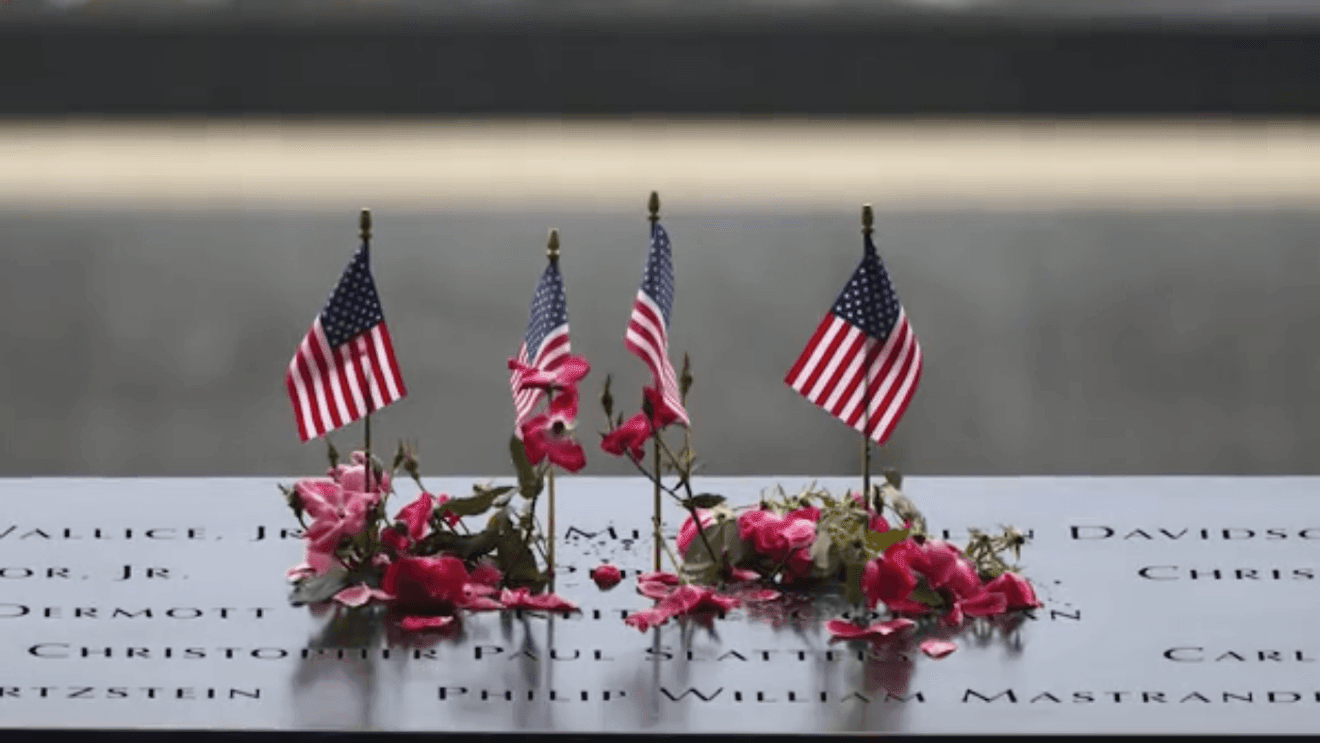
Twenty-five years after 9/11, Congress is reassessing the sweeping intelligence reforms that followed the attacks. WGME reported that the House Intelligence Committee met in Shanksville, Pennsylvania, where 40 passengers and crew members aboard United Airlines Flight 93 died on September 11, 2001—the only plane successfully stopped by civilians that day.
The review goes beyond memorializing the past. Lawmakers are now examining whether the 9-11 Commission's recommendations still work today, while facing a new threat: China's expanding artificial intelligence and cyber capabilities, which officials now call the nation's top counterintelligence danger.
The 9-11 Commission Changed How Agencies Share Information
After the terrorist attacks, Congress created the 9-11 Commission to investigate intelligence failures. KMPH explained that the commission's report led to major government overhauls. Agencies that once worked in silos now share intelligence more openly. The Department of Homeland Security was created. New coordination systems connected the FBI, CIA, and local law enforcement.
These changes were meant to prevent another attack by ensuring no agency missed critical warning signs alone. For 25 years, these reforms have shaped how America's intelligence community operates during terrorism threats and national security crises.
Congress Questions Whether Old Reforms Still Work Today
Meeting at Flight 93's crash site in Pennsylvania wasn't accidental. MyFox28Columbus noted the House Intelligence Committee deliberately chose this location to reflect on what worked and what needs updating. Intelligence officials acknowledged that while 9/11 reforms improved coordination, the threat landscape has transformed completely.
The committee is asking hard questions: Are agencies still information-sharing properly? Have new technologies created new blind spots? Do current systems adequately protect America against modern terrorism and cyberattacks? These questions drive the current review.
China Now Poses America's Biggest Intelligence Challenge
The committee's work has revealed a dramatic shift in national security priorities. WSET reported that intelligence officials identify China as the top counterintelligence threat to the United States. Beijing's advances in artificial intelligence and cyber capabilities now concern lawmakers more than traditional terrorism networks.
This doesn't mean the terrorism threat has disappeared. Rather, it means America's intelligence apparatus must now juggle dual threats: preventing terrorist attacks while containing a sophisticated state actor rapidly expanding its technological power. The 9-11 reforms focused on fighting terrorism—but they were never designed for a modern AI and cyber threat.
Sentiment
NeutralNEGATIVENEUTRALPOSITIVE
Publishers
7
Articles
6
Reach
7
Topics
A
AnonymousAuthor


