Carrier Arrives in Thailand
Aircraft carrier USS Abraham Lincoln arrives in Thailand after grueling Middle East deployment.
Anonymous
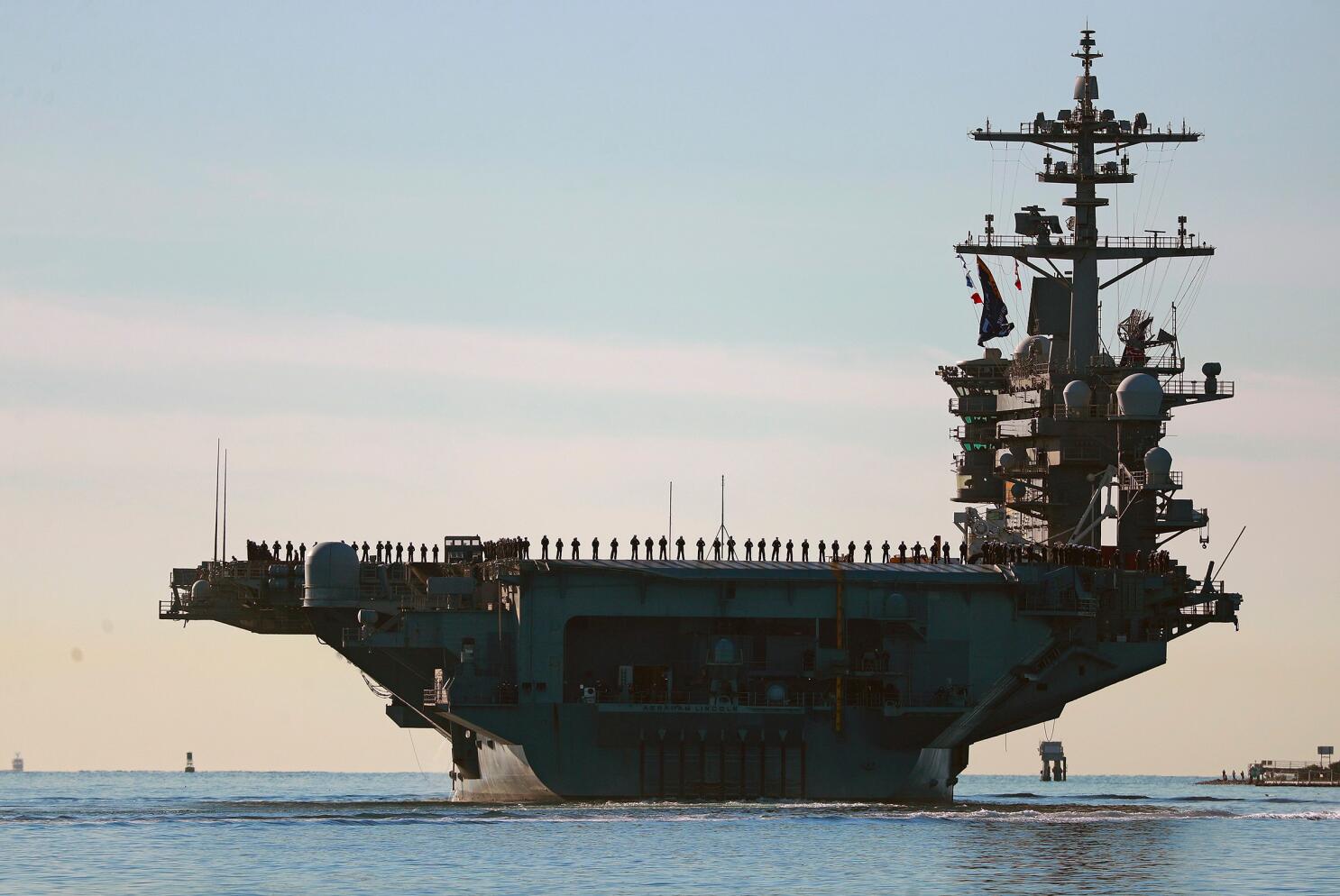
The USS Abraham Lincoln arrived in Thailand on KESQ after one of the longest deployments in US Navy history. The aircraft carrier left San Diego in November and spent months in combat operations in the Middle East, carrying about 5,000 service members. The extended deployment has raised serious concerns about crew welfare and morale.
The lengthy mission has already taken a toll. The Hour reported at least one possible suicide attempt among the crew. US Senator Richard Blumenthal demanded answers about living conditions aboard the carrier, calling the deployment length a major concern for sailor wellbeing.
A Grueling Middle East Mission Comes to an End
The Lincoln spent months supporting combat operations across the Middle East. Seattle PI noted that the carrier approached the port at Laem Chabang in eastern Thailand after its grueling deployment. The ship now has a brief stop before heading back to Southern California later this year.
According to WKYC, this deployment ranks among the longest the Navy has ever conducted. The crew of 5,000 endured extended time away from families and friends. Many sailors face exhaustion after months of constant operations in one of the world's most tense regions.
Growing Concerns Over Crew Mental Health and Morale
The deployment's length has created serious problems for crew mental health. Jonesboro Sun reported that the Lincoln's arrival drew attention to declining morale among sailors. At least one crew member attempted suicide during the mission, raising alarms about conditions aboard the ship.
Senator Blumenthal called the deployment length unacceptable. He demanded the Pentagon explain how the Navy plans to protect sailor wellbeing during future extended missions. The senator's concerns reflect growing worry about whether the Navy can sustain these demanding deployment schedules.
Pentagon Sends Replacement Carrier as Navy Faces Capacity Questions
The Navy responded to the Lincoln's departure by sending the Japan-based USS George Washington to take its place. LMT Online reported that the Pentagon made this decision to maintain carrier operations in key regions. However, the move raised new questions about the Navy's overall capacity.
Critics argue that pulling the George Washington from Japan signals serious strain on US Navy resources. The carrier force now has fewer ships available for other global missions. Experts worry the Navy cannot maintain current deployment schedules without damaging sailor health and readiness.
Sentiment
NeutralNEGATIVENEUTRALPOSITIVE
Publishers
6
Articles
6
Reach
6
A
AnonymousAuthor


