Navy Press Restrictions
U.S. Navy ends release of sailors' service history, further restricting press access over security fears.
Anonymous
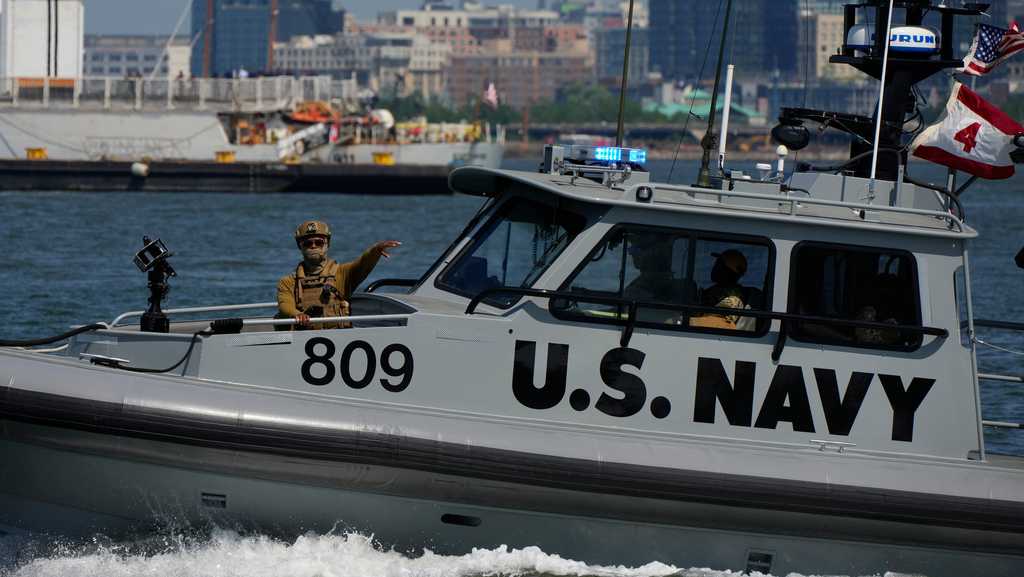
The U.S. Navy will no longer share information about any sailor's service history with the press, ending a practice that has been standard for decades, according to KOCO News. The change is part of a broader push to limit what reporters can find out about military personnel.
The Navy says the move is driven by security threats and concerns about harassment of service members. Critics, however, argue the Pentagon is using these reasons to hide embarrassing information from the public, according to WCVB.
What the Navy Is No Longer Sharing With Reporters
For decades, the Navy freely gave reporters basic facts about sailors — things like where they served, how long they served, and what their role was. That is now over. WBAL-TV reports the Navy has formally ended this practice, saying it will not release any service history for any sailor going forward.
The Navy has not set out specific cases where this information caused harm. Instead, it pointed broadly to increased security threats and the risk of harassment. No new law required this change. The Navy made it on its own.
Blue Angels Incident Sparked the Wider Crackdown
The policy got wider attention after a specific incident involving the Blue Angels, the Navy's famous flight demonstration team. After a pilot performed a controversial maneuver, reporters asked for that pilot's biography. The Navy refused, according to KCRA.
That refusal was then expanded into a full policy. Now, no sailor's service history will be shared — not just pilots, not just those involved in incidents, but everyone. The broad rollout raised immediate questions about whether the Navy was trying to avoid accountability.
Pentagon Adds More Walls Between Press and Military
The service history ban is not the only new restriction. WGAL reports that reporters must now have an official military escort at all times while on Pentagon grounds. That rule alone limits the ability of journalists to move freely and ask unplanned questions.
Together, these moves mark a sharp shift in how the military handles press access. Reporters who cover the military say it is getting harder to do basic fact-checking. Simple questions — like confirming who a service member is — now go unanswered, according to WLKY.
Critics Say the Rules Are Applied Selectively
Press freedom advocates and journalists say the Pentagon is not applying these new rules fairly. According to WVTM 13, critics argue that information gets blocked when it might embarrass the military, but flows freely when it makes the military look good.
That selective use of information is the core of the complaint. When a hero story needs telling, details appear. When a controversy needs answering, the door closes. The Navy has not publicly responded to these specific criticisms.
Sentiment
NeutralNEGATIVENEUTRALPOSITIVE
Publishers
7
Articles
7
Reach
7
A
AnonymousAuthor


