Disney Lawsuit Filed
Former Actor Files Sexual Assault Lawsuit Against Disney Over 2001 Movie Set Incident
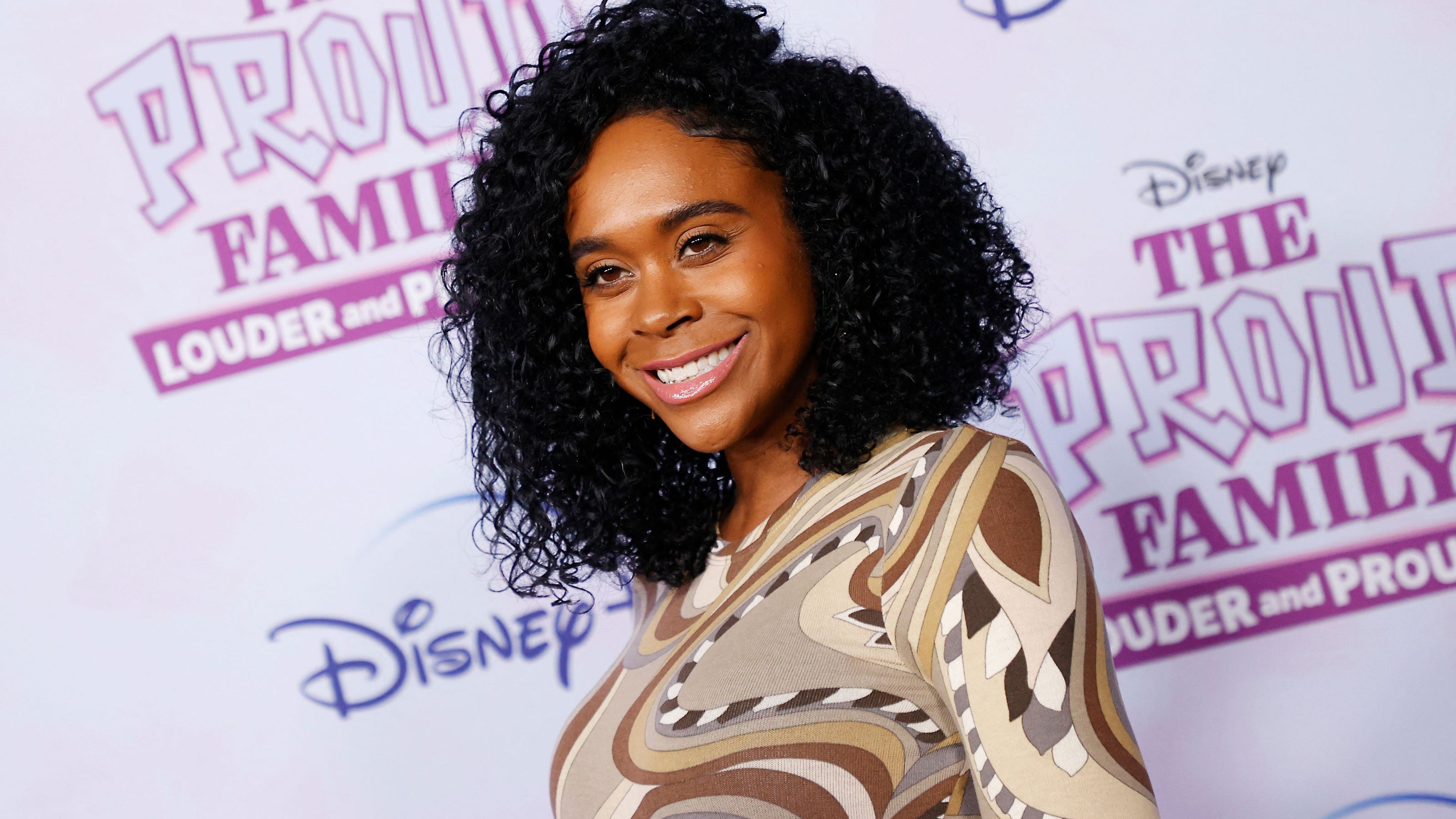
Former child actor Raquel Lee has filed a lawsuit alleging that a Disney employee sexually assaulted her on the set of the 2001 Disney Channel Original Movie "The Poof Point" when she was 14 years old USA Today. The lawsuit claims the male employee pressured Lee to drink alcohol, then assaulted her in her room and later raped her when she visited him alone Kansas City Star.
The complaint accuses Disney of violating child labor laws by allowing adults to interact with minors without parental supervision and failing to protect the young actor Sacramento Bee. Disney declined to comment on the lawsuit Oak Ridger.
Details of the Alleged Assault
According to the lawsuit, the assault occurred during production of "The Poof Point" in 2001 Kansas.com. Lee was 14 at the time. The employee allegedly gave her alcohol and later forced her into sexual contact when she was intoxicated. The lawsuit also claims a second assault happened when Lee visited the employee alone.
Disney's Alleged Failures to Protect Child Actors
The lawsuit claims Disney violated child labor laws by allowing adult staff members to have unsupervised access to young actors USA Today. The complaint argues that Disney failed to implement basic safety measures to protect minors on set. The company did not provide guardians to monitor interactions between children and adults during production.
Disney Remains Silent on Accusations
Disney has not commented on Lee's lawsuit or the allegations against the employee Oak Ridger. The company has not released a public statement addressing the claims of negligence or the assault allegations. It is unclear whether Disney has launched an internal investigation into the incident or the company's safety practices from 2001.
Growing Scrutiny of Child Safety in Entertainment
The lawsuit adds to ongoing concerns about child safety on film and television sets. Young actors have historically faced limited protections despite working in high-pressure environments. This case highlights the importance of strict child labor laws and mandatory supervision during production. Industry standards for protecting minors remain a subject of debate among producers, studios, and child welfare advocates.
Sentiment
NeutralPublishers
6
Articles
5
Reach
6