Humanitarian Crisis Deepens
UN warns 650,000 South Sudan refugees face aid cuts amid severe funding crisis
Key Points
South Sudan is continuing to absorb roughly 3,000 refugees and returnees each week from neighbouring Sudan, adding pressure on an already strained aid system.
UNHCR has secured only about 28% of its required $286 million annual budget, highlighting the scale of the funding shortfall.
There is a risk of increased cross-border movement as refugees seek food and assistance amid funding gaps and aid cuts.
The overall funding shortfall for the remainder of 2026 is reported to be around $258 million, compounding the humanitarian crisis.
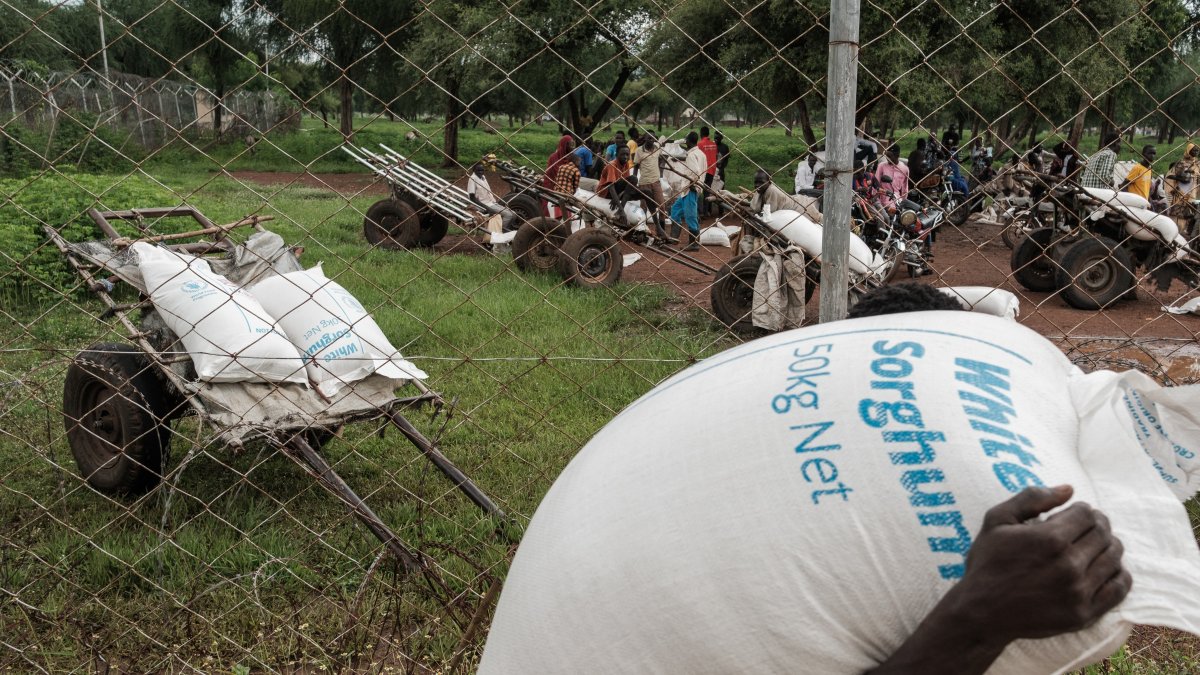
More than 650,000 refugees and asylum seekers in South Sudan could lose all food aid within weeks, the UN has warned. A severe funding shortfall is pushing one of the world's worst hunger crises closer to collapse, according to Free Malaysia Today.
The World Food Programme and UNHCR say the last food distributions for the roughly 240,000 refugees still receiving aid could happen as soon as September. If no new money arrives, no refugees may receive any food aid by October, according to Voice of Emirates.
A $37 Million Gap Pushing Refugees to the Edge
UNHCR has secured only about 28% of its required $286 million annual budget for South Sudan. That leaves a $37 million hole just to keep refugee operations running through December. The overall funding shortfall for the rest of 2026 stands at around $258 million, according to Tanzania Times.
Aid has already been cut to half-rations for many refugees. South Sudan currently hosts over 650,000 refugees, most fleeing war in neighboring Sudan. The country is absorbing roughly 3,000 new refugees and returnees every week, adding constant pressure on an already broken system, according to The Frontier Post.
Families Selling Belongings as Meals Disappear
The impact on families is already severe. Parents are cutting meals. Children are being pulled from school. Some families are selling what little they own just to survive, according to Tanzania Times.
Aid workers warn of rising exploitation as desperate people face impossible choices. Some refugees are now considering returning to Sudan — even though it remains dangerous — simply because they cannot find food where they are. Free Malaysia Today reported that the funding crisis risks forcing people back into active war zones.
Wider Hunger Crisis Could Spiral Into Famine
South Sudan's hunger crisis extends far beyond refugees. About 7.8 million people across the country face acute hunger. Around 2.2 million children are acutely malnourished right now, according to Daily Sabah.
The aid cuts will hit other groups too. About 180,000 internally displaced people — those forced from their homes within South Sudan — could lose support in October. Another 600,000 people living in famine-risk areas could lose assistance by November, according to Voice of Emirates.
Sudan Conflict Keeps Flooding South Sudan With New Arrivals
The crisis does not exist in isolation. War in Sudan is still driving thousands of people across the border every week. South Sudan is one of the poorest countries in the world and has little capacity to absorb the flow without international support, according to The Frontier Post.
UN agencies warn that funding gaps could also trigger more cross-border movement. As food runs out, refugees may move to seek aid elsewhere — stretching resources in neighboring countries too. Without urgent donations, the UN says the entire regional humanitarian system faces serious strain, according to Free Malaysia Today.
Sentiment
Mostly NegativePublishers
16
Articles
76
Reach
92


