Rare barn owl chick births recorded in Fermanagh
Rare barn owl chick births recorded in Fermanagh
Anonymous
Key Points
1
Nest boxes are designed to keep eggs and chicks dry by preventing rainwater entry, and they include a front platform for young barn owls to exercise and practise flying before leaving the nest.
2
The new Fermanagh chicks are reported as the first known to be ringed in the county under licence from the NI Environment Agency, with support from the British Trust for Ornithology.
3
Ulster Wildlife documented two breeding pairs in Co. Fermanagh this summer, with each pair raising five chicks (ten chicks across two sites), a brood count described as above average for barn owls.
4
Barn owls face ongoing pressures from habitat loss, rodenticide use and a lack of prey availability in Northern Ireland.
5
Conservation work with landowners spanning more than a decade—installing nest boxes and improving hedgerows and rough grassland—has helped the population begin to spread from eastern NI toward Fermanagh.
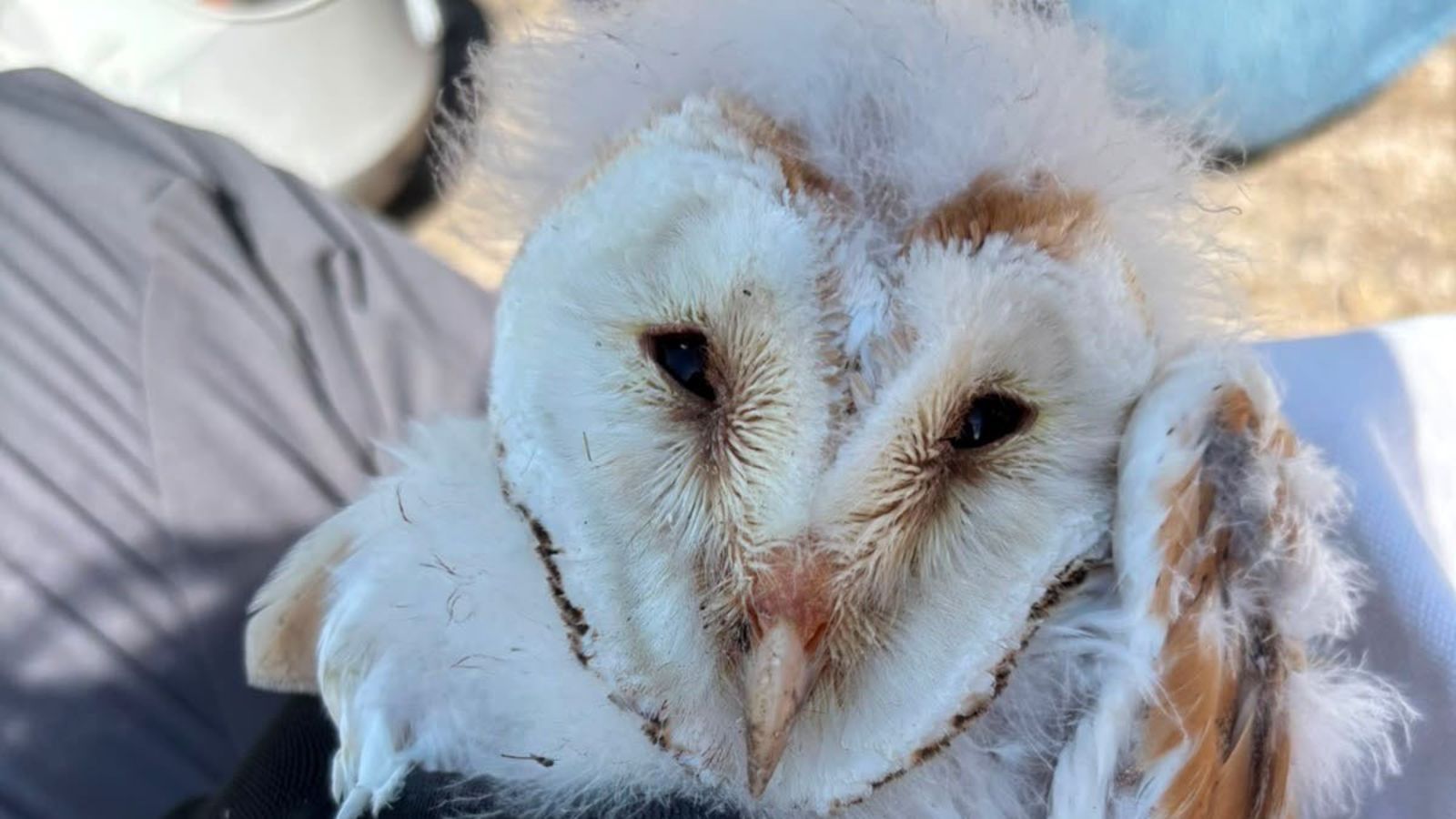
Ten barn owl chicks have hatched in County Fermanagh for the first time in 50 years, marking a major conservation win for Northern Ireland's critically endangered population. Ulster Wildlife discovered two breeding pairs, each raising five chicks across separate farm sites this summer. The chicks are the first known to be ringed in the county under NI Environment Agency licensing, helping researchers track their survival and movement across the region.
Northern Ireland's barn owl population remains fragile, with fewer than 30 breeding pairs left in the wild. A decade of work installing nest boxes and restoring hedgerows on farms has slowly helped the species spread westward from eastern counties. This breeding success shows that habitat restoration efforts can reverse years of decline caused by pesticides, habitat loss, and prey shortage.
How Nest Boxes Give Barn Owls a Fighting Chance
Barn owls naturally nest in tree cavities and church towers, but modern farming has stripped away these spaces. Specially designed nest boxes solve this problem by keeping eggs and chicks dry during rain and providing a safe platform where young owls can exercise before flying. Ulster Wildlife has worked with landowners for over a decade to install hundreds of boxes across Northern Ireland, creating artificial nesting sites in barns and open fields.
The boxes also benefit farmers by supporting natural pest control. Barn owls hunt rodents that damage crops and stored grain, reducing the need for harmful pesticides. This creates a win-win: owls get homes and food, farmers get free rodent control, and the environment avoids toxic chemicals that poison the entire food chain.
Tracking Chicks With Leg Rings Unlocks Conservation Secrets
Each of the ten Fermanagh chicks now wears a small metal leg ring stamped with a unique number. British Trust for Ornithology researchers use these rings to track where owls fly, how long they survive, and whether they breed in future years. The data helps conservationists understand which habitats work best and where to focus restoration efforts next.
Five chicks per pair is above average for barn owls, which usually raise 4–5 young. The Fermanagh success suggests that careful habitat management—protecting rough grassland for hunting, maintaining hedgerows, and providing nest boxes—actually works to rebuild struggling populations over time.
Pesticides and Prey Shortage Still Threaten Recovery
Despite this summer's breakthrough, barn owls face three deadly pressures across Northern Ireland. Rodenticides used on farms poison the mice and voles owls eat, often killing the hunters alongside their prey. Habitat loss continues to shrink hunting grounds. And fewer small mammals overall means owls struggle to find enough food to raise large broods.
Ulster Wildlife is now asking the public to report barn owl sightings in Fermanagh and the wider west. These reports help researchers identify new breeding sites and prioritize conservation work in areas where owls are spreading naturally. Even a single sighting can reveal where the next success story might happen.
Sentiment
Mostly PositiveNEGATIVENEUTRALPOSITIVE
Publishers
11
Articles
18
Reach
29
A
AnonymousAuthor


