Volatile Midterm Elections Approach
Trump Faces Volatile Midterm Stretch Amid Shifting Maps and Policy Clashes
Anonymous
Trending on X2026 US Midterm Elections and Voting Policy Battles
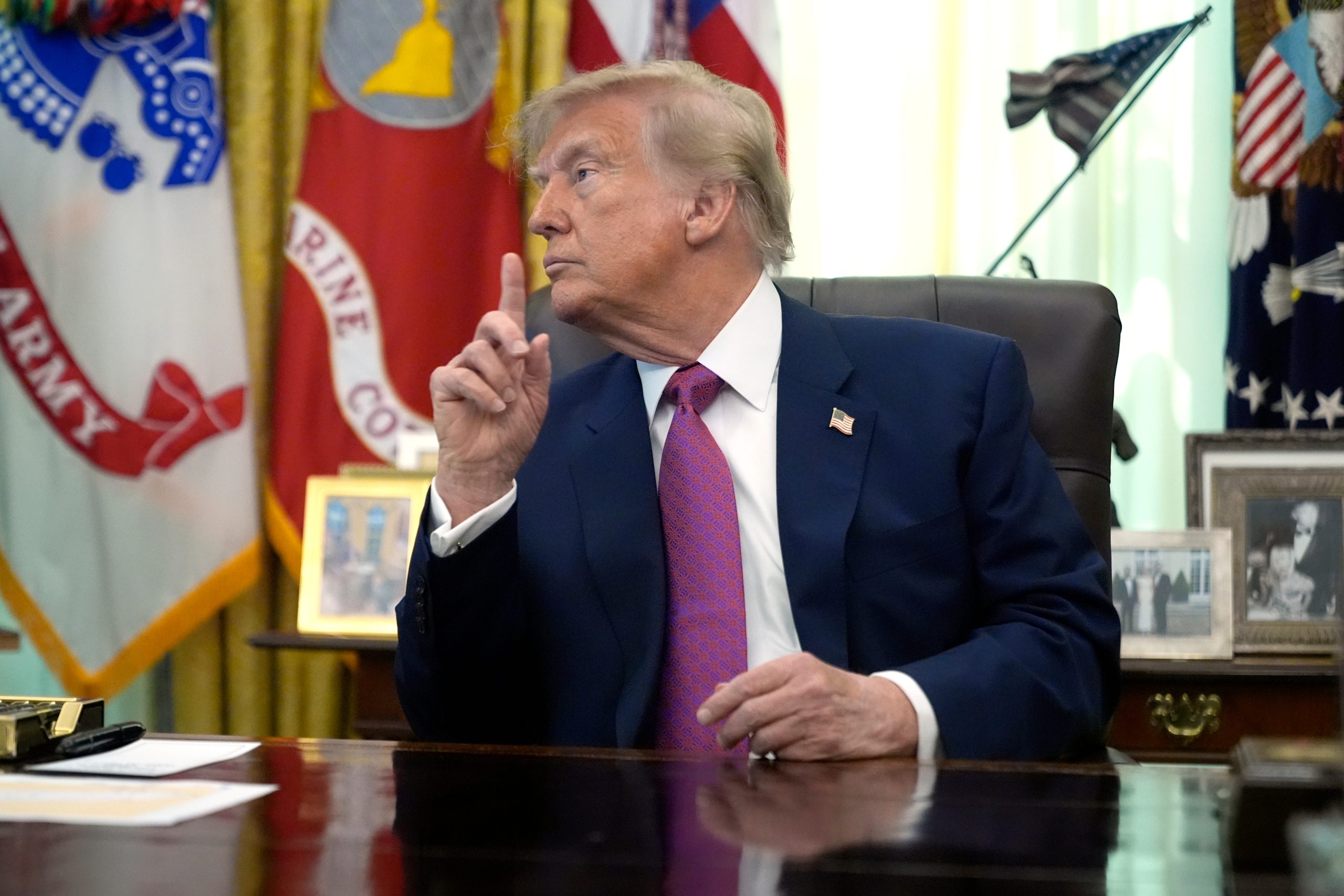
As President Donald Trump’s final midterm election cycle approaches, an unusually volatile political landscape is being shaped by conflicts with Iran, disputes over the White House and Kennedy Center, controversies involving artificial-intelligence data centers, and other issues that have rapidly altered the national conversation. Congressional maps are shifting in Texas, California, Florida and Missouri, while Trump’s tariffs on Canada and proposed limits on mail voting could affect key races and voting procedures. Both parties are treating the midterms as a referendum on Trump, even as redistricting has reduced the number of genuinely competitive contests. Trump has more than $400 million available to influence the elections, while his reported $1.2 billion in crypto-related income contrasts with economic anxiety among many Americans; his approval rating has fallen to about one-third of U.S. adults, according to an AP-NORC poll.
Key Points
1
House Speaker Mike Johnson said the political turmoil may be beyond Republicans’ control, telling reporters, “Some of these things are out of our control,” when asked whether the frenzy could damage his party’s midterm prospects.
2
Missouri’s Republican attorney general is appealing a court ruling that blocked a congressional map backed by Trump, adding a legal challenge to the broader redistricting fights in Texas, California and Florida.
3
Trump’s effort to restrict mail ballots could create uncertainty as ballots are already being distributed in states such as North Carolina, which is home to a critical U.S. Senate race.
4
The AP article identifies another unexpected culture-war issue in the election landscape: debate over whether Lake Ontario’s name should be changed.
Sentiment
Mostly NegativeNEGATIVENEUTRALPOSITIVE
Publishers
5
Articles
149
Reach
154
Topics
A
AnonymousAuthor


