Oakley Loses MSG Suit
Federal Judge Dismisses Charles Oakley's MSG Assault Claim, Citing Lack of Evidence
Key Points
Judge Richard J. Sullivan of the Southern District of New York dismissed Oakley's assault-and-battery claim, stating the plaintiff had produced no evidence to support that MSG security assaulted him, and noting the claims had persisted for about nine years and were dismissed for the third time.
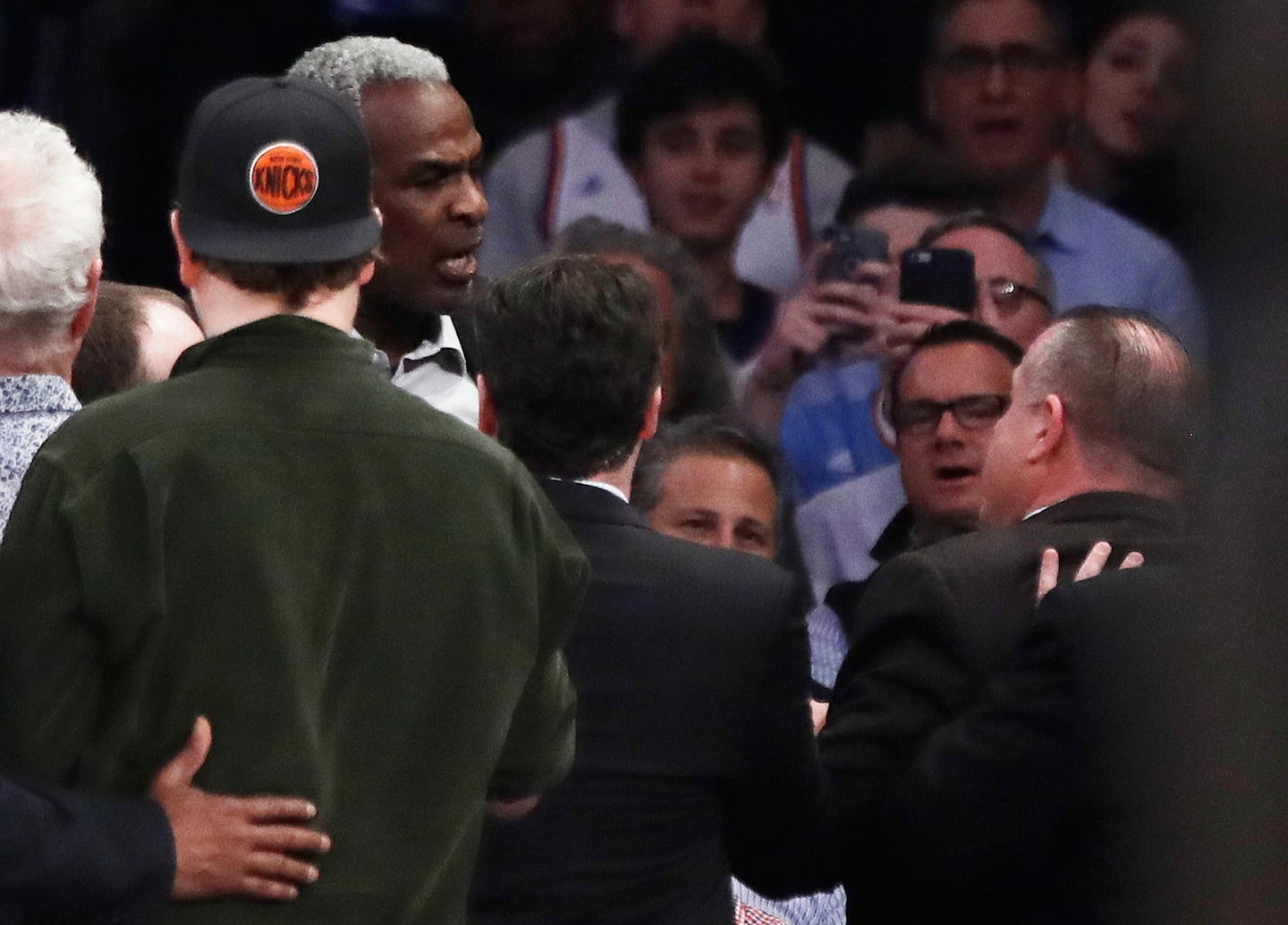
Oakley was handcuffed and arrested after an altercation with MSG security while seated near owner James Dolan during a 2017 Knicks game against the Los Angeles Clippers.
The court emphasized there was no evidence of excessive force; it described ‘ample evidence’ including multiple-angle videos and witness testimonies showing Oakley had a reasonable opportunity to leave the Garden but resorted to physical violence and was never pushed to the ground.
MSG also signaled it would pursue legal action against Oakley’s lawyers, Douglas Wigdor and his firm, for what it characterizes as years of frivolous litigation.
A federal judge has thrown out former New York Knicks star Charles Oakley's assault-and-battery lawsuit against Madison Square Garden, ruling that Oakley produced no evidence he was ever assaulted by arena security. ESPN reported the dismissal came from Judge Richard J. Sullivan of the Southern District of New York, marking the third time the case was dismissed.
The ruling closes a legal battle stretching nearly nine years, stemming from a 2017 incident in which Oakley was handcuffed and arrested during a Knicks game against the Los Angeles Clippers. He had been seated near team owner James Dolan when the confrontation with MSG security broke out.
Video and Witnesses Sank Oakley's Assault Claim
Judge Sullivan found there was "ample evidence" against Oakley's claim. According to Newsday, multiple-angle videos and unanimous witness testimony showed Oakley had a clear chance to leave Madison Square Garden on his own. Instead, the court found, he chose to engage in a physical altercation. The videos also showed he was never pushed to the ground, a key part of his original claim.
Talk Basket noted the judge stated Oakley had produced no evidence that MSG security used excessive force against him. The court said the claims had persisted for about nine years and were being dismissed for the third time. Sullivan called the evidence in Oakley's favor essentially nonexistent.
What Happened During the 2017 Knicks Game
The incident took place during a January 2017 game between the Knicks and the Clippers. Oakley, one of the most popular players in Knicks history during the 1990s, was seated close to owner James Dolan. MSG security approached him, and the confrontation quickly escalated. Oakley was handcuffed and arrested at the scene.
Oakley maintained for years that security guards attacked him without cause. MSG argued the opposite — that Oakley became aggressive first and that security acted within normal bounds. Head Topics reported that the court ultimately sided fully with MSG's version of events after reviewing all available footage.
MSG Signals Legal Action Against Oakley's Lawyers
MSG did not stop at winning the case. The arena's ownership said it would pursue legal action against Oakley's attorneys, Douglas Wigdor and his firm. Law360 reported MSG characterized the years of litigation as frivolous and said it would seek to hold the lawyers accountable for filing what it called false claims.
MSG released a statement saying it would continue to defend itself and would take further steps against those responsible for the drawn-out legal fight. The move signals the dispute may not be fully over, even after the judge's dismissal.
Oakley Has Kept Distance From MSG During Knicks' Championship Run
The ruling comes as the Knicks are in the middle of a championship playoff run — one of the team's most successful stretches in decades. Oakley, a beloved figure from the team's 1990s heyday, has largely stayed away from MSG events throughout this run and in recent seasons, a visible sign of the ongoing rift between him and Dolan's organization.
With the lawsuit now dismissed for the final time, the long-running public feud between Oakley and MSG appears to have reached its legal endpoint. Whether Oakley reconciles with the franchise — or remains on the outside — is now a matter for both sides to decide off the court.
Sentiment
Mostly NegativePublishers
15
Articles
99
Reach
114


