Flock Safety's Privacy Balance
Flock Safety Founder Claims Technology Would Have Aided Search for Missing Nancy Guthrie
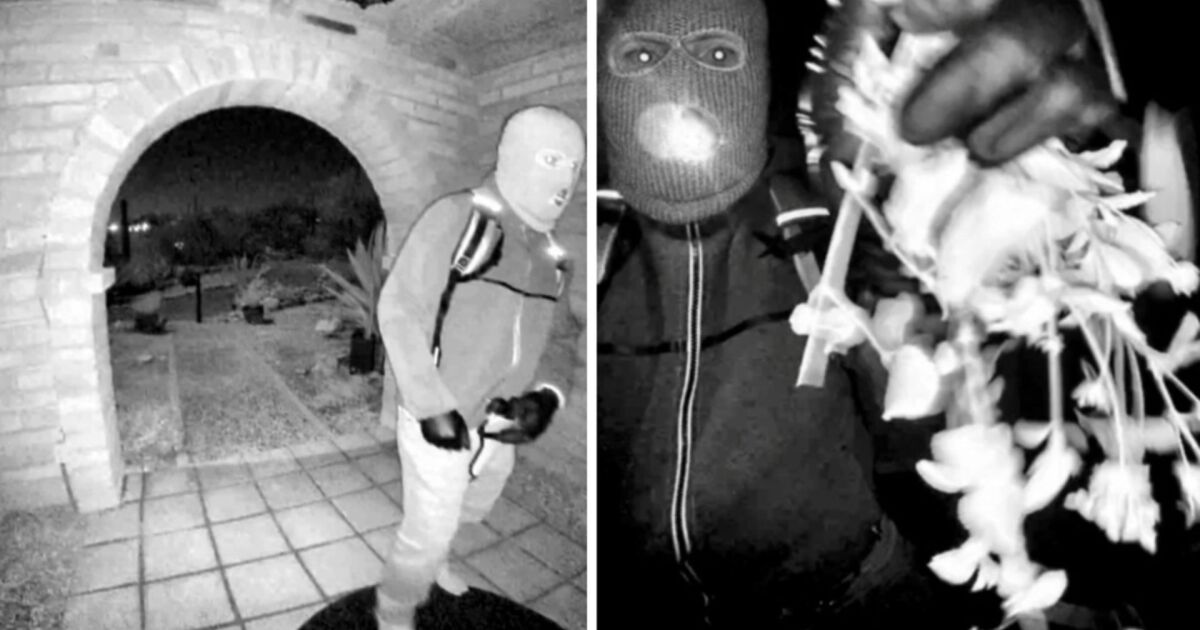
Flock Safety CEO Garrett Langley says his company's license-plate-reading cameras could have helped locate Nancy Guthrie, the mother of NBC 'Today' host Savannah Guthrie, who was kidnapped from her Pima County, Arizona home in February. KOAA reported that Langley believes the technology would have tracked the vehicle used in the abduction and helped police find her faster.
The case has thrust Flock Safety into the national spotlight — not only for its potential to solve crimes, but also for growing concerns about surveillance and privacy. Turn to 23 reported that critics have flagged examples of agencies misusing Flock cameras, prompting the company to roll out new safeguards.
How Flock Cameras Could Have Tracked the Kidnapper
Flock Safety cameras read license plates and log vehicle movements across a network of fixed cameras. Langley told reporters that if cameras had been deployed in Pima County, investigators could have traced the suspect's vehicle in real time. ABC15 reported that Langley credited the technology with helping solve every missing-persons case where it was used.
Nancy Guthrie disappeared in February after being abducted from her home. The case drew wide attention because of her daughter's high profile. KTNV noted that the absence of Flock cameras in the area left investigators without a key tool that is now standard in many other counties.
Privacy Critics Raise Red Flags Over Surveillance Network
Not everyone is on board with Flock's rapid expansion. Critics say the cameras collect data on everyday drivers who have done nothing wrong. WRTV reported that advocacy groups have pointed to cases where police agencies used Flock footage in ways that went beyond what the contracts allowed.
The concern is simple: a network of cameras that logs where your car goes, every day, builds a detailed picture of your life. Civil liberties groups argue that without strict rules, that data can be misused. Fox13 Now reported that some agencies stored footage longer than agreed and shared it without proper oversight.
Flock Cuts Data Retention and Publishes New Privacy Rules
In response to the backlash, Flock Safety announced two major changes. First, it cut its recommended data-retention period from 30 days down to seven days. Second, it published the contract language it uses with police agencies, making clear who owns the collected data. Denver7 reported both moves as a direct attempt to rebuild public trust.
Langley framed the changes as a sign of the company's commitment to responsible use. The moves stop short of what some critics want — a full ban on long-term plate tracking — but KSHB reported that Flock sees the steps as a starting point for broader industry standards.
Flock Safety's Growth Puts Surveillance Debate Center Stage
Flock Safety has grown quickly. Its cameras now operate in thousands of communities across the United States. WMAR2 News reported that the company partners with both police departments and private neighborhoods, making it one of the largest private surveillance networks in the country.
The Nancy Guthrie case has given Langley a high-profile moment to make his case. But it has also put a spotlight on the tradeoffs. KJRH reported that the debate over Flock cameras is likely to grow as more agencies sign contracts — and as more Americans realize their movements are being logged.
Sentiment
NeutralPublishers
16
Articles
15
Reach
16


