Middle East Escalation
U.S. Officials Report Trump Knew of Saudi Houthi Strikes Amid Regional Tensions and Market Concerns
Anonymous
Key Points
1
Trump designated the Houthis as a foreign terrorist organization in 2025, enabling the U.S. to apply broader financial and logistical pressure against the group.
2
Defence cooperation between the U.S. and Saudi Arabia has reportedly involved discussions of investments totaling nearly $1 trillion, signaling a deepening strategic alignment beyond the current incident.
3
A May 2025 ceasefire brokered with Oman reduced some hostilities but did not stop Houthi operations, illustrating persistent volatility despite negotiations.
4
The escalation was linked to an Iranian Mahan Air flight landing in Sanaa, marking a rare direct Iranian presence in Yemen and fueling Saudi concerns.
5
As of July 13, 2026, there are no confirmed reports that Trump explicitly endorsed Saudi strikes, though U.S. support for Saudi self-defense has remained consistent within the broader framework.
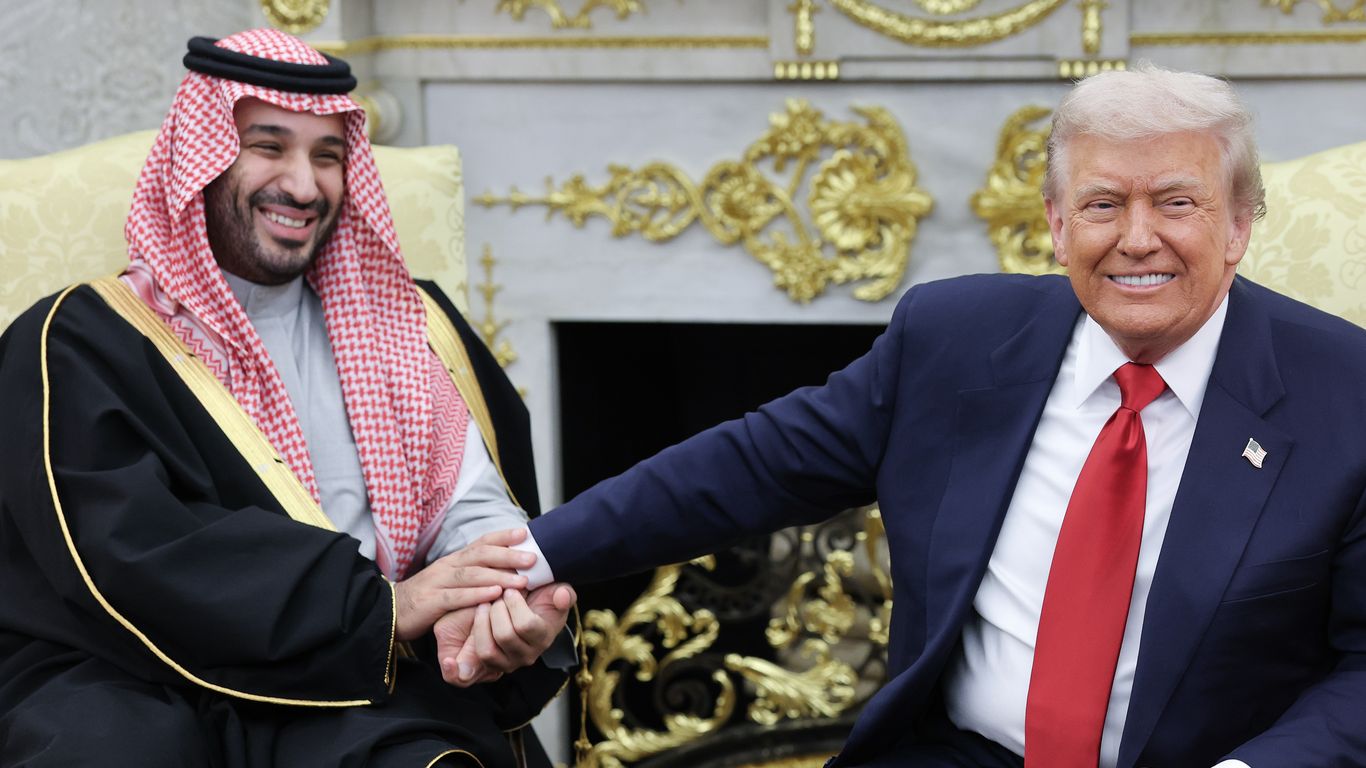
President Donald Trump privately backed Saudi Crown Prince Mohammed bin Salman before Riyadh launched strikes against Houthi targets in Yemen, according to Axios. The move marks the most significant cross-border escalation in the Yemen conflict in years, drawing Washington deeper into a war that has reshaped Middle East security for more than a decade.
The strikes follow months of rising tension. Saudi Arabia grew alarmed after an Iranian Mahan Air flight landed in Sanaa — a rare, direct Iranian foothold in Yemen — fueling fears that Tehran was expanding its military presence there, according to Crypto Briefing.
MBS Called Trump, Got the Green Light
Saudi Crown Prince Mohammed bin Salman contacted Trump directly and sought Washington's backing before ordering the strikes, according to Axios. Trump gave his support. U.S. officials told Axios this reflects a deepening strategic alignment between Riyadh and Washington — one that goes well beyond a single military operation.
The U.S. has long supported Saudi Arabia's right to self-defense. Earlier in 2025, Trump designated the Houthis as a foreign terrorist organization. That label lets Washington apply tougher financial and logistical pressure on the group. Scanx Trade noted the designation signals a clear U.S. tilt toward Riyadh in the conflict.
Iranian Footprint in Yemen Sparks Saudi Alarm
The trigger for the strikes was specific: an Iranian Mahan Air commercial flight landing in Sanaa. Saudi officials viewed it as proof that Iran was moving people or equipment into Houthi-controlled territory. Iran backs the Houthis with weapons, money, and training. A direct flight marked a new, bolder step.
A ceasefire brokered by Oman in May 2025 had slowed some fighting. But it did not stop Houthi operations entirely. The Houthis continued attacking shipping lanes in the Red Sea. Saudi Arabia saw the Mahan Air landing as proof the truce was fraying, according to Crypto Briefing.
A $1 Trillion Defense Partnership Takes Shape
Trump's backing is not just about Yemen. The U.S. and Saudi Arabia are reportedly discussing a defense cooperation framework worth nearly $1 trillion in investments, according to Crypto Briefing. That would make it one of the largest military and economic partnerships in history. Yemen is one piece of a much larger deal.
Analysts say the stakes are high for global markets too. Saudi Arabia controls roughly 10% of the world's daily oil supply. A broader war involving Iran could choke oil flows and spike energy prices worldwide. Higher energy costs ripple through stock and crypto markets alike, raising what traders call risk premia — the extra return investors demand to hold risky assets.
Risk of Wider War With Iran Looms Large
Iran has backed the Houthis since the Yemen civil war began in 2014. If Saudi strikes kill Iranian advisers or destroy Iranian equipment on Yemeni soil, Tehran could retaliate directly. That could pull the U.S. into a broader confrontation. So far, no Iranian officials have publicly threatened direct retaliation for the latest strikes.
Axios described this as one of the riskiest moves in the Saudi-Yemen conflict in years. The report noted that officials in Washington are watching closely for Iranian escalation. Any direct Iranian military response could upend the fragile balance that has kept the conflict from becoming a full regional war.
Sentiment
Mostly NegativeNEGATIVENEUTRALPOSITIVE
Publishers
11
Articles
18
Reach
29
A
AnonymousAuthor


