U.S.-Saudi Regional Security Talks
Saudi Crown Prince Meets U.S. CENTCOM Chief Amid Escalating Houthi Attacks
Anonymous
Key Points
1
Adm. Brad Cooper had begun meeting Saudi defense officials days earlier to discuss intelligence sharing and munitions, according to two people familiar with his visit.
2
Saudi Minister of State, Cabinet member and National Security Adviser Musaed bin Mohammed Al-Aiban attended the meeting, according to the Saudi Press Agency.
3
Saudi Arabia temporarily shut down its East-West oil pipeline the previous week as a precaution after drones launched from Iraqi territory targeted areas near Riyadh and Madinah.
4
Houthi military spokesman Yahya Saree said the group used “dozens of ballistic missiles and drones” against King Khalid Air Base, claiming it targeted aircraft hangars, runways and ammunition depots.
5
The current escalation follows the Houthis’ seizure of Yemen’s capital, Sanaa, in September 2014 and the subsequent intervention of a Saudi-led Arab coalition in March 2015 to support Yemen’s internationally recognized government.
Saudi Crown Prince Mohammed bin Salman met with U.S. Central Command chief Admiral Brad Cooper in Jeddah on September 14 to address escalating Houthi attacks on Saudi military and energy targets. Red State reported the meeting came as Iran-backed Houthi forces intensified drone and missile strikes, including a claimed attack on King Khalid Air Base that injured 13 civilians across southern Saudi Arabia.
The talks followed days of emergency coordination between Cooper and Saudi defense officials focused on intelligence sharing and munitions support. Daily Sun reported that Saudi National Security Adviser Musaed bin Mohammed Al-Aiban attended the high-stakes meeting as President Trump declined direct military strikes but agreed to provide intelligence and targeting assistance.
Houthis Strike King Khalid Air Base With Dozens of Missiles
Houthi military spokesman Yahya Saree claimed the group fired "dozens of ballistic missiles and drones" at King Khalid Air Base in Khamis Mushait on September 14, targeting aircraft hangars, runways, and ammunition depots. Red State reported the strike came after the Houthis seized Yemen's capital, Sanaa, in September 2014 and a Saudi-led Arab coalition intervened in March 2015 to support Yemen's internationally recognized government.
The attack followed a week of intensive Houthi operations. Between September 11 and 13, Iran-backed forces seized the port of Mokha and positioned themselves along the Bab al-Mandeb Strait, a critical global shipping chokepoint. Saudi officials vowed to react "firmly to protect the sovereignty of the Kingdom" after the civilian casualties, with the coalition launching over 50 airstrikes into Yemen in response.
Saudi Arabia Requests Direct U.S. Military Strikes, Trump Declines
Crown Prince Mohammed bin Salman placed two phone calls to President Trump over a single week requesting direct U.S. military strikes against Houthi forces in Yemen. Trump declined the requests but agreed to increase military support through intelligence sharing, targeting information, and logistical assistance. Red State noted the decision reflects Washington's focus on maintaining primary military capacity for broader Iran and Strait of Hormuz operations.
Admiral Cooper's visit marked an escalation in U.S. defense coordination with Riyadh. He arrived September 10 to begin low-profile emergency meetings with Saudi defense officials about intelligence sharing and munitions support. The timing showed Washington's concern about the rapid deterioration of Saudi security conditions amid simultaneous threats from multiple directions.
Drone Strikes Force Saudi Arabia to Shut Down Critical Oil Pipeline
Saudi Arabia's East-West oil pipeline, a vital alternate export route that bypasses the Strait of Hormuz, was knocked offline after drone strikes on September 10-11. Riyadh attributed the attack to Iran-backed militias operating from Iraqi territory. The shutdown restricted Saudi Arabia's primary backup crude export corridor and pushed global oil prices higher amid already fragile energy markets.
U.S. Maintains Direct Talks With Houthis Over Red Sea Control
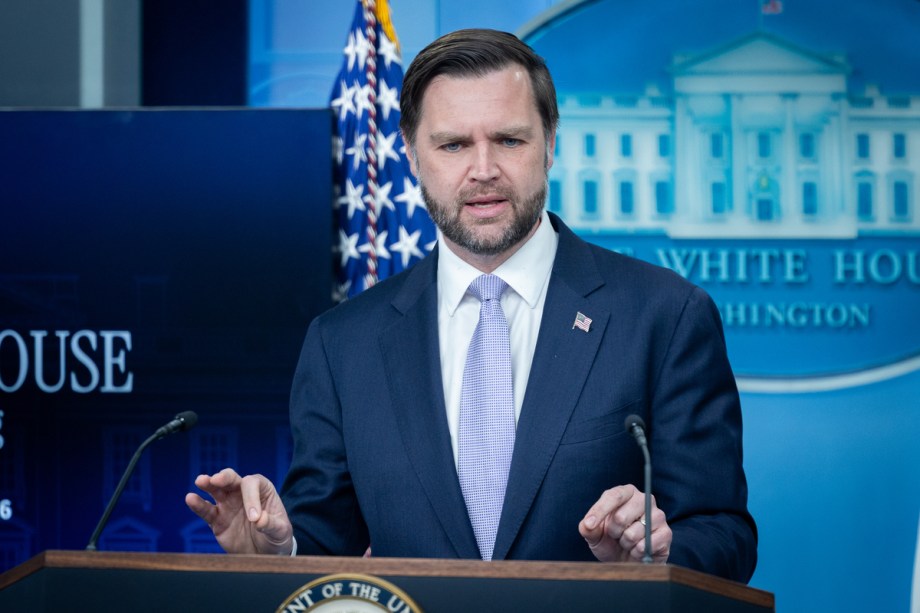
U.S. Vice President JD Vance revealed that the United States is engaged in direct conversations with the Houthi movement following their seizure of Perim Island in the Bab el-Mandeb Strait. TASS reported that Washington is maintaining these contacts despite the group's military escalation against U.S.-aligned Saudi Arabia, suggesting a dual-track diplomatic approach even as military support flows to Riyadh.
The direct U.S.-Houthi dialogue adds another layer of complexity to the regional crisis. While Trump declines Saudi requests for direct strikes, American officials are simultaneously negotiating with the Iranian-backed group that now controls strategic Red Sea chokepoints. Fox News noted Vance reported Iran's alleged sabotage of peace deal attempts, indicating frustration with Tehran's role in prolonging the conflict.
Sentiment
Mostly NegativeNEGATIVENEUTRALPOSITIVE
Publishers
46
Articles
33
Reach
79
Topics
A
AnonymousAuthor


