Flock Camera Privacy Debate
Trump Endorses Flock License-Plate Cameras Amid Growing Privacy Concerns and GOP Opposition
Anonymous
Key Points
1
Flock cameras are used by an estimated 5,000 law-enforcement agencies, according to reporting cited by The Daily Wire. Texas Municipal Police Association liaison John Wilkerson defended the cameras as recording vehicles in public places, comparing them to footage any passerby could capture with a phone.
2
Rep. Thomas Massie’s proposed Flock-Off Act, H.R. 10221, would bar federal funds from being used to purchase, install, maintain, operate or upgrade automated license-plate readers and biometric-surveillance cameras. Massie said federal grants should not fund what he called an expanding surveillance state.
3
Flock’s system can use artificial intelligence to log a vehicle’s make, model and color in addition to recording its license plate, according to Forbes. The company markets the technology as a tool for finding stolen vehicles and missing people.
4
Flock faced backlash after an advertisement highlighted its partnership with Amazon’s Ring doorbell cameras and promoted a “search party” function for finding missing pets; Amazon subsequently ended its partnership with Flock, Forbes reported. The cameras have also been targeted by protests and multiple acts of vandalism.
5
Florida Gov. Ron DeSantis said Flock’s use was “out of control” and moved to remove the cameras from state highways, illustrating that opposition extends beyond civil-liberties groups to Republican state leaders.
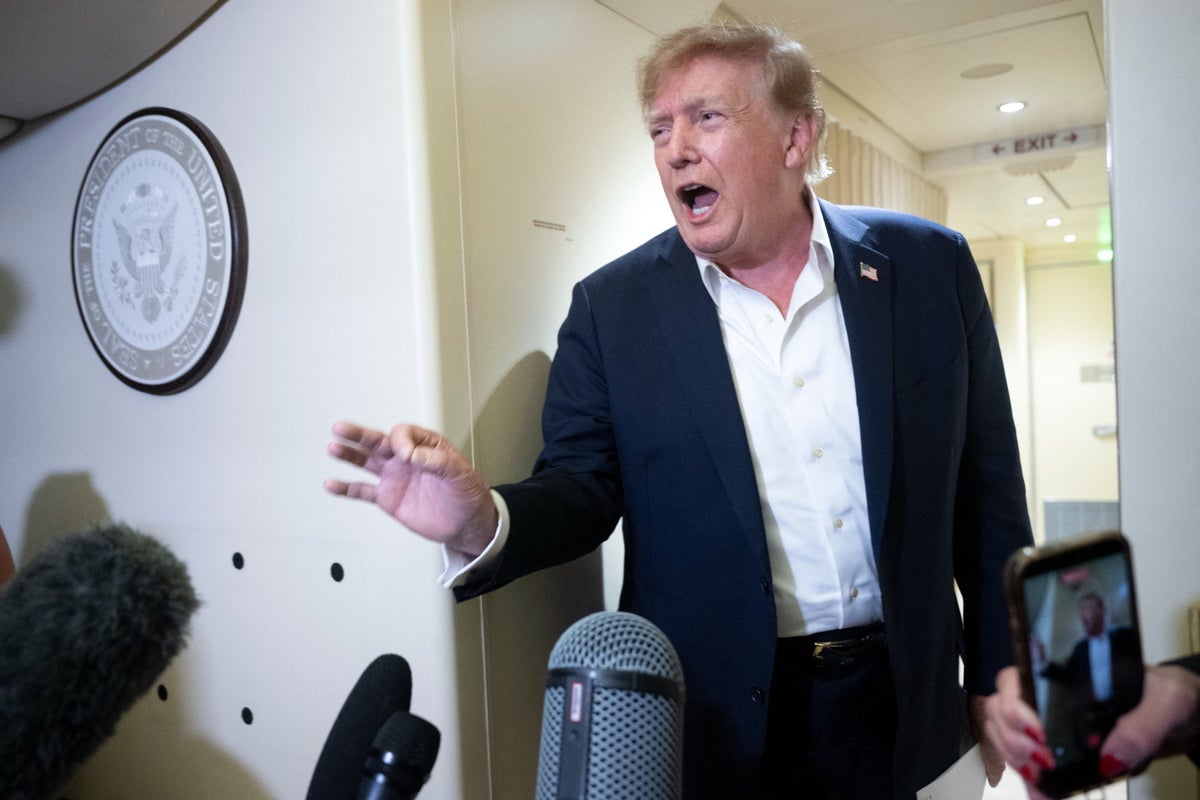
President Donald Trump endorsed Flock Safety's automated license-plate cameras, backing the technology to help law enforcement find stolen vehicles and missing people. The Independent reported that Trump's support comes as communities nationwide reject the readers over privacy concerns, putting him at odds with Republican critics including Rep. Thomas Massie and governors Ron DeSantis and Greg Abbott.
Flock cameras photograph vehicles and record license plates across 5,000 law-enforcement agencies. The company says the system does not use facial recognition, continuously track vehicles, or provide live video. Civil-liberties advocates and lawmakers across the political spectrum worry about data collection, misuse, and the creation of a surveillance state.
How Flock Cameras Work and What They Record
Flock's automated readers photograph vehicles in public and log their license plates, make, model, and color using artificial intelligence. Forbes reported that the company markets the technology as a tool for locating stolen cars and missing people. Flock says the system does not perform facial recognition or live video monitoring, and that it records only information visible to any passerby with a phone.
Republican Legislation to Block Federal Funding
Rep. Thomas Massie introduced the Flock-Off Act, H.R. 10221, to bar federal grants from purchasing, installing, maintaining, operating, or upgrading automated license-plate readers. Massie argued that federal funds should not support what he called an expanding surveillance state. His proposal shows that opposition to the cameras extends beyond civil-liberties groups into the Republican party.
Privacy Backlash and Amazon's Partnership Withdrawal
Flock faced backlash after an advertisement highlighted its partnership with Amazon's Ring doorbell cameras and promoted a "search party" function for missing pets. Forbes reported that Amazon subsequently ended its partnership with Flock. The cameras have also been targeted by protests and multiple acts of vandalism in communities nationwide.
DeSantis and Abbott Join Massie in Opposing Expansion
Florida Governor Ron DeSantis called Flock's use "out of control" and moved to remove the cameras from state highways. Texas Governor Greg Abbott has also moved to restrict the technology. Their actions show that Republican opposition spans law-and-order priorities (public safety) against limited-government concerns (centralized monitoring of lawful activity).
Sentiment
Mostly NegativeNEGATIVENEUTRALPOSITIVE
Publishers
31
Articles
45
Reach
76
A
AnonymousAuthor


