870,000 Suspected Fraudsters Permanently Barred From Loans
870,000 Suspected Fraudsters Permanently Barred From Loans
Anonymous
Key Points
1
The Justice Department’s enforcement operation ran from June 12 through Sept. 1, involved 44 U.S. attorney’s offices and more than 20 federal and state investigative partners, and targeted fraud cases that arose more than five years after the emergency-loan programs were created.
2
The SBA distributed approximately $1.2 trillion in pandemic assistance. Under the Paycheck Protection Program, lenders were instructed to disburse money quickly, and eligible loans could later be forgiven if businesses met program requirements—features that officials said fraudsters exploited by applying for nonexistent or inactive companies.
3
Attorney General Todd Blanche cited a Missouri case in which a man claimed to own dozens of businesses and sought $55 million in loans, although the only business that actually existed was Fur Lives Matter; its employees reportedly did not know the loan applicant.
4
FBI Director Kash Patel said the bureau had created a “Most Wanted Fraudster List” and had captured five people on it during the previous three months; Patel attributed roughly $2 billion in fraud to those individuals.
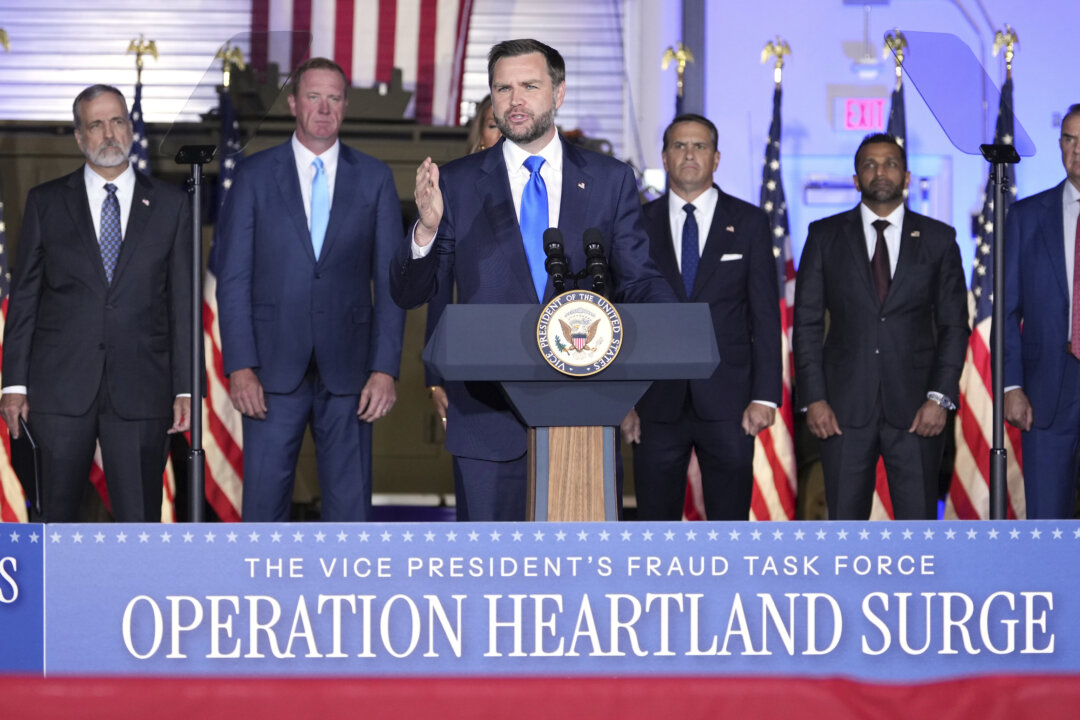
The Trump administration has permanently barred approximately 870,000 people suspected of defrauding pandemic-era federal loan programs from receiving future small-business loans. Vice President JD Vance announced the ban, which targets fraudsters across the Paycheck Protection Program and Economic Injury Disaster Loans. The latest enforcement wave identified roughly $39 billion in suspected fraud across 45 states and territories, bringing total suspected fraud to about $49 billion nationwide.
Affected borrowers will receive notification letters this week and can appeal the decision. The Justice Department says the ban is a risk-based safeguard, not a criminal penalty. Suspected fraudsters may still face prosecution separately. The crackdown involved 160 defendants, $245 million in intended taxpayer losses, and roughly 90 prosecutorial decisions across 44 U.S. attorney offices.
How Fraudsters Exploited Speed and Weak Checks
The Paycheck Protection Program prioritized fast distribution through banks. Eligibility relied heavily on borrower-submitted information with limited upfront verification. Fraudsters submitted applications for nonexistent, dormant, or paper-only companies. Attorney General Todd Blanche cited a Missouri case where a man claimed to own dozens of businesses and sought $55 million, though only one existed: Fur Lives Matter, whose employees didn't know the applicant.
The SBA distributed approximately $1.2 trillion in total pandemic assistance. The speed that made loans accessible also created exposure. Fraudsters exploited weak company-verification procedures and borrowed against fictitious payrolls. Once the government tightened controls, investigations uncovered massive losses that had already been disbursed.
A Nationwide Enforcement Push Uncovers Massive Losses
The Trump administration launched "Operation Heartland," running from June 12 through September 1. It involved 44 U.S. attorney offices and more than 20 federal and state investigative partners. FBI Director Kash Patel said the bureau created a "Most Wanted Fraudster List" and captured five people on it during the previous three months. Those five individuals alone accounted for roughly $2 billion in suspected fraud.
Overall, the operation involved more than 160 defendants and $245 million in intended taxpayer losses. Roughly 90 prosecutorial decisions resulted. The Justice Department said investigations and collections are continuing. This represents the broadest pandemic-fraud crackdown since emergency programs ended in 2021.
A Permanent Ban as Prevention, Not Just Punishment
Vice President Vance described the loan suspension as a risk-based safeguard for taxpayers, not a separate criminal penalty. Barred borrowers lose access to SBA loans, certain disaster-loan programs, and the 8(a) contracting program used by small minority-owned businesses. The permanent nature of the ban deters future fraud by making it costly to apply false information.
Suspected fraudsters can still face prosecution, fines, restitution, or imprisonment through separate criminal proceedings. The administrative ban requires no criminal conviction—only a determination of suspected fraud. Borrowers receive notification and can appeal. This approach bridges the gap between prosecution (which is slow and resource-intensive) and doing nothing, protecting future emergency programs from repeat offenders.
Sentiment
Mostly NegativeNEGATIVENEUTRALPOSITIVE
Publishers
20
Articles
27
Reach
47
A
AnonymousAuthor


