F-15E Pilot Survival Story
U.S. Air Force Officer Recounts Miraculous Survival After Jet Shot Down in Iran
Anonymous
Key Points
1
The mission, designated Dude 44, took place on the night of April 2 near mountainous terrain south of Isfahan, close to areas where Iran had stored much of its highly enriched nuclear material.
2
Adm. Brad Cooper said the U.S. military had flown about 13,000 missions during the conflict and described the operational environment by saying, “We had air superiority, but clearly we weren’t flying over Kansas.”
3
Bravo said his immediate motivation for climbing the ridgeline despite his injuries was the fear that being captured would put him on Iranian television: “Let a lack motivation put you on an Iranian TV.”
4
Bravo credited his pilot and crewmate, Alpha, with saving their lives by ejecting them from the roughly $30 million F-15E, saying, “I will be thankful to my dying day for my pilot and crewmate Alpha for saving our lives and ejecting us.”
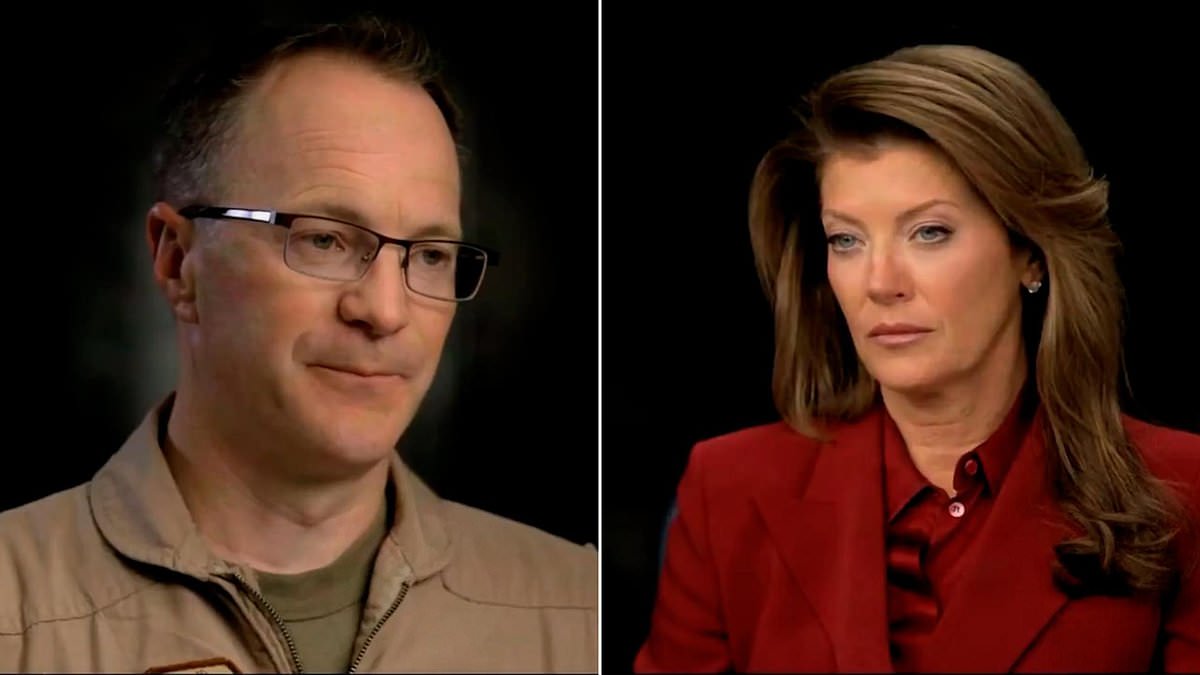
A U.S. Air Force colonel known as "Bravo" survived a harrowing 50-hour ordeal after his F-15E Strike Eagle was shot down by an Iranian shoulder-fired missile during an April mission. The Hill reports that Bravo's parachute was damaged by the impact, sending him into a near-free fall at 70 to 100 mph before he crashed into mountainous terrain south of Isfahan, suffering broken bones in his back, arm, and shoulder. Despite severe injuries, he climbed to a 7,000-foot ridgeline and evaded Iranian forces while his crewmate was rescued within six hours.
Bravo credited his pilot and crewmate, identified as "Alpha," with saving both their lives by ejecting them from the roughly $30 million aircraft. Fox News reports he described the survival as a "modern-day miracle," attributing his endurance to military training, faith, and his determination to avoid capture and propaganda use. Admiral Brad Cooper noted that U.S. forces had flown 13,000 missions during the conflict, saying, "We had air superiority, but clearly we weren't flying over Kansas."
Missile Strike Damages Parachute During Precision Bombing Run
The mission, designated Dude 44, took place on the night of April 2 near Isfahan, close to areas where Iran stored highly enriched nuclear material. WFMD reports that Bravo's F-15E was targeted by a shoulder-fired missile while conducting strikes on facilities linked to Iran's drone and missile programs. The impact damaged his parachute, forcing him into an uncontrolled descent toward rocky terrain below. He hit the ground hard, sustaining multiple fractures that would test his survival instincts.
Bravo and his pilot ejected separately, creating two distinct survival scenarios. Daily Mail reports that Alpha was located and rescued approximately six hours after the crash. Bravo, however, found himself alone in hostile territory with severe injuries and no immediate contact with rescue forces. His immediate challenge was not just surviving his wounds, but staying hidden long enough for U.S. forces to locate and extract him.
Climbing Ridge Line Despite Fractured Bones to Avoid Capture
Despite injuries to his back, arm, and shoulder, Bravo chose to climb toward higher terrain rather than remain vulnerable at the crash site. His primary motivation was fear of being captured and displayed on Iranian television. Fox News reports that Bravo said, "Let a lack of motivation put you on an Iranian TV," explaining how this psychological driver pushed him to move despite excruciating pain. The 7,000-foot ridgeline offered better visibility and positioning for rescue teams searching from above.
The decision to climb proved critical. Staying at a crash site in enemy territory meant certain capture. By reaching higher ground, Bravo increased his chances of being spotted by American search aircraft and made it harder for Iranian ground forces to approach undetected. His military training had prepared him for evasion and survival, but executing it while badly injured tested both his physical limits and mental resolve.
Training and Faith Fuel 50-Hour Evasion Before Rescue
Mezha.net reports that Bravo spent nearly two days isolated on the ridgeline, evading Iranian forces while attempting to signal U.S. rescuers. He relied heavily on his military training in survival, evasion, resistance, and escape—skills drilled into Air Force personnel who operate over hostile territory. But Bravo also credited faith as a sustaining force during the ordeal. He described turning to prayer when circumstances seemed dire, calling it a "modern-day miracle" that he was found and extracted alive.
The successful rescue operation demonstrated why personnel recovery capability is central to U.S. air operations over hostile territory. Losing an aircraft is expensive; losing a crew member to capture or death carries far greater strategic and human costs. Bravo's 50-hour survival bought time for U.S. commanders to mount a complex extraction. His gratitude toward Alpha and the rescue teams underscored a core reality of modern air warfare: pilot survival depends on both flying skills and coordinated ground and air support.
Sentiment
Mostly NegativeNEGATIVENEUTRALPOSITIVE
Publishers
80
Articles
62
Reach
142
A
AnonymousAuthor


