Ceuta Migrant Crisis
Ceuta Migrant Surge: Misinformation, Poverty Lead to Deaths as Thousands Seek Opportunity
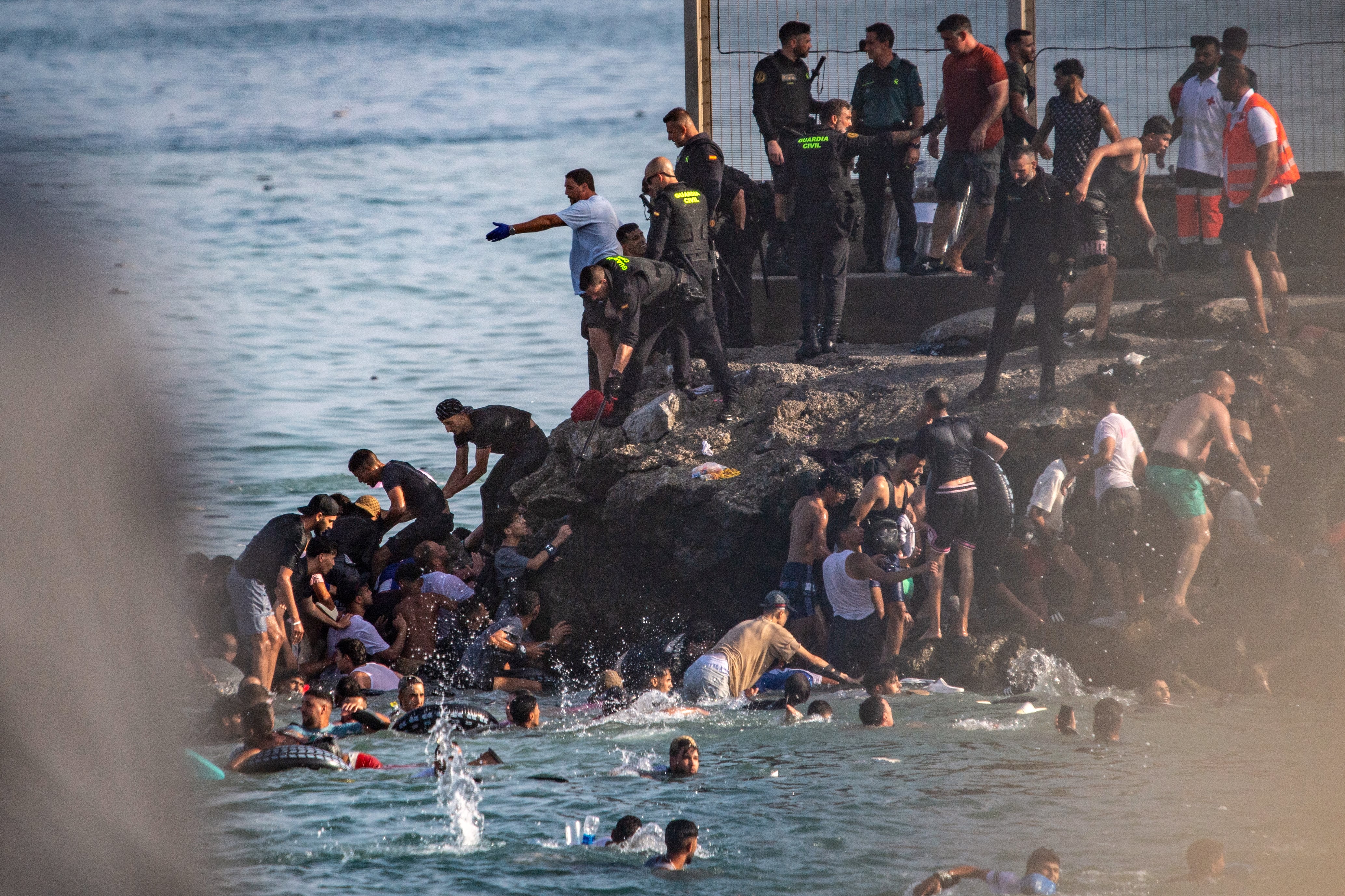
More than 70,000 people rushed toward Ceuta, a tiny Spanish territory on the North African coast, in a single migrant surge — the deadliest crossing crisis between Morocco and Spain on record. At least three men lost their lives in the attempt, including a physics graduate, a soccer player, and a teenager who did not know how to swim. AP News reported that misinformation spread through social media and human smuggling networks helped spark the mass movement.
Nearly all of the survivors have since returned to Morocco. But the families left behind are still asking why their loved ones risked everything — and what drove tens of thousands of young people to make the same desperate choice.
Three Faces Behind the Mass Crossing Deaths
Ayoub Akbili had a physics degree. He had the kind of education many families dream of. But he still joined the surge toward Ceuta, hoping for a better life across the water. He did not make it. A soccer player with local ties also died in the crossing. So did Abdelouahed Iken, a teenager who, according to The Independent, could not swim. Three very different people — all pulled toward the same dangerous border.
Their deaths put a human face on a number that is easy to ignore. Winnipeg Free Press noted that the three men were among those who attempted to cross Morocco's border with Spain during a surge that overwhelmed rescue efforts. Friends and family described them as ordinary young men with ordinary dreams — not the reckless risk-takers that some headlines suggest.
Social Media Rumors and Smugglers Fueled the Rush
The surge did not happen by accident. False rumors spread fast on social media, telling would-be migrants that the border was open and that Spanish authorities would let people through. Human smuggling networks pushed the same message, profiting from the chaos. AP News reported that misinformation was a key driver of the mass movement, pulling people toward the coast before they had time to think it through.
Once the crowds gathered, the momentum took over. People who might never have tried the crossing alone found themselves swept up in what felt like a historic opportunity. It was not. Spanish and Moroccan security forces were waiting, and the water between the two countries is cold and unforgiving.
Unemployment and Low Pay Pushed Migrants to the Edge
Survivors told reporters the same story over and over: no jobs, or jobs that paid almost nothing. Morocco's economy is expected to grow by 4.5% this year, according to WBAL. But growth at the top does not always reach young people at the bottom. Migrants said unemployment and wages too low to live on left them feeling like they had no future at home.
Policymakers now face a hard question. How do you keep young, educated people — people like a physics graduate — from feeling that drowning is worth the risk? Click Orlando reported that the Ceuta surge stands as the deadliest such crisis between the two countries, making that question more urgent than ever.
Both Countries Tighten Security After the Surge
Spain and Morocco responded quickly. Both governments increased security forces along the border after the surge. Nearly all of those who crossed have since been returned to Morocco, according to WPXI. The speed of the returns showed how coordinated the two countries were in shutting the door once it had been briefly forced open.
But more fences and more officers do not fix the root problem. As long as young Moroccans — and migrants from other African countries passing through Morocco — see no path forward at home, the pressure on that border will remain. The three men who died in the Ceuta surge will not be the last to try.
Sentiment
NeutralPublishers
12
Articles
11
Reach
12


