Nike's China Digital Consolidation
Nike to Consolidate China Online Sales by Cutting Thousands of Distributors
Anonymous
Key Points
1
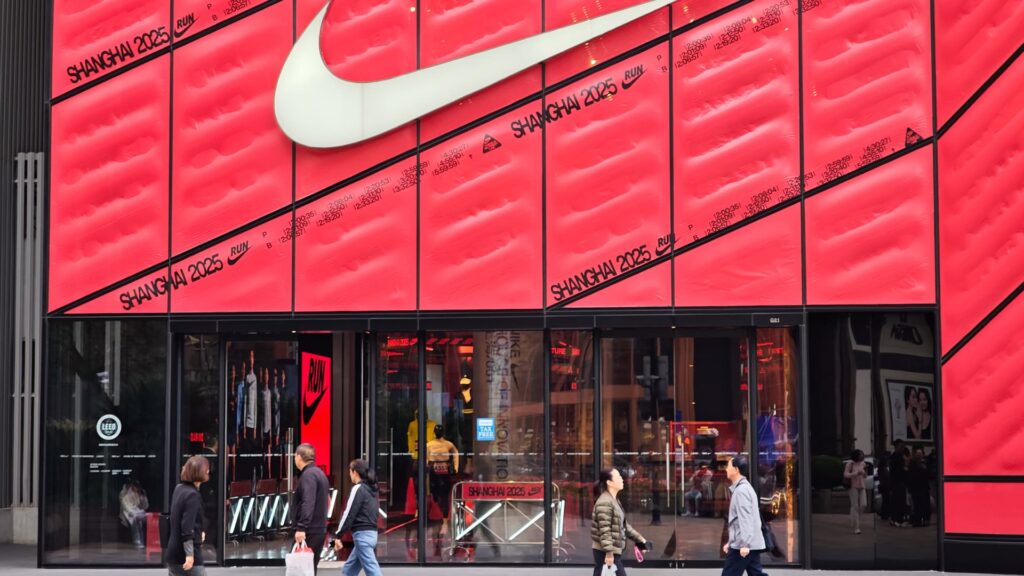
Nike’s online footprint in China will be consolidated starting January 2027 to official website and app, plus flagship storefronts on Tmall, JD.com and Douyin, effectively cutting off thousands of online distributors and reducing the number of channels partners can use.
2
Nike describes the flagship channels as an 'elevated destination' with 'stronger storytelling' and clearer product presentation aimed at delivering more connected consumer journeys within China’s ecosystems.
3
Nike chief marketer Cathy Sparks emphasizes the move is about reducing fragmentation, not reducing access, and about strengthening the consumer journey.
4
The plan targets reversing a multi-year sales decline in China, a region that has been described as shrinking around 30% over the past five years.
5
Analysts have raised cautions about the move’s near-term impact on revenue and Nike’s broader turnaround, with a separate report noting Nike was downgraded to Hold as sales slump and recovery delays weigh on the outlook.
Nike is cutting off thousands of online distributors in China starting in January, consolidating its digital sales to official channels only. The move will limit Nike products online to the company's own website and app, plus flagship stores on Tmall, JD.com, and Douyin, according to Inside Retail Asia and Ozarab Media.
The shake-up targets a market where Nike's sales have fallen roughly 30% over the past five years, according to Newsy Today. The brand is betting that fewer, cleaner channels will rebuild its pricing power and brand image in China's crowded sportswear market.
Thousands of Distributors Cut From China's Digital Shelves
Nike will stop supplying thousands of online distributors in China from July 21, 2026, according to GuruFocus. By January, only Nike's official website, mobile app, and three flagship storefronts — on Tmall, JD.com, and Douyin — will carry its products online. All other online resellers will be cut off.
SL Guardian reports that major sportswear retailers in China have already been told they will lose access to Nike's online inventory. The company describes its chosen flagship channels as an 'elevated destination' with 'stronger storytelling' and clearer product presentation.
Nike Says the Goal Is Focus, Not Less Access
Nike chief marketer Cathy Sparks pushed back against the idea that the move limits shoppers. She said the goal is to 'reduce fragmentation, not reduce access,' according to Inside Retail Asia. Sparks framed it as a way to deliver more connected consumer journeys inside China's major digital ecosystems.
The company says too many small distributors have made its online presence messy and inconsistent. Selling through dozens of third-party channels made it hard to control pricing and product messaging. A single, cleaner footprint is meant to fix that, according to Ozarab Media.
China Sales Have Slid for Years as Local Rivals Gain Ground
Nike's China business has been under pressure for years. Sales in the region have shrunk by around 30% over the past five years, according to Newsy Today. Domestic brands like Anta and Li-Ning have taken significant market share as Chinese consumers shift their loyalty.
Inside Retail Asia notes the distributor cutoff is part of a broader push to stop losing ground to local rivals. The challenge is steep. Nike competes not just on price but on cultural relevance, an area where homegrown brands have gained a real edge.
Analysts Warn of Short-Term Revenue Pain
The strategy carries real financial risk. Analysts have flagged that cutting thousands of distributors could weigh on near-term revenue in China, according to GuruFocus. Nike was also separately downgraded to Hold as sales slump and recovery delays drag on the company's broader turnaround.
The bet is a long-term one. Nike is trading short-term sales volume for better brand control and higher-quality consumer experiences. Whether shoppers — and investors — reward that trade-off remains to be seen, with the plan not fully taking effect until early 2027, per SL Guardian.
Sentiment
Mostly NegativeNEGATIVENEUTRALPOSITIVE
Publishers
43
Articles
137
Reach
180
Topics
A
AnonymousAuthor


