Honoring a Cancer Research Icon
Richard Scolyer Honored at Sydney Opera House State Memorial for Pioneering Cancer Research Legacy
Anonymous
Key Points
1
A Tour de Cure charity bike ride will be held in Scolyer’s honour, with riders traveling from Martin Place to the Sydney Opera House as part of the memorial events.
2
Chaired by a $5.9 million brain cancer research grant named for Scolyer, the new position funds a brain cancer research chair, researchers, PhD students and expanded clinical trials, in a collaboration involving Chris O’Brien Lifehouse and the University of Sydney.
3
Scolyer co-authored more than 800 peer‑reviewed publications on skin cancer and melanoma over more than two decades, underscoring his prolific contribution to the field.
4
He defied prognosis, living nearly three years after a 2023 glioblastoma diagnosis that had been described as life-limiting to as little as six months.
5
Georgina Long described him as 'the pathologists’ pathologist,' reflecting the high regard in which he was held by colleagues.
Australia held a state memorial at the Sydney Opera House on Tuesday for Professor Richard Scolyer AO, the world-renowned pathologist who died at 59 from glioblastoma brain cancer. Prime Minister Anthony Albanese and NSW Premier joined colleagues and family to honour a man widely credited with helping turn melanoma into a largely curable disease. ABC News reported the service drew tributes from across the medical and political world.
Scolyer defied his own prognosis, living nearly three years after a 2023 diagnosis that doctors said could cut his life to as little as six months. He co-authored more than 800 peer-reviewed papers on skin cancer and melanoma over two decades. His colleague Georgina Long called him 'the pathologists' pathologist,' according to Head Topics.
A Pathologist Who Changed How We Fight Melanoma
Scolyer spent more than two decades reshaping how doctors diagnose and treat skin cancer. He co-authored over 800 peer-reviewed publications — a staggering output that placed him among the most prolific cancer researchers in Australian history. Working alongside Georgina Long, he helped develop treatment approaches that turned a once-deadly disease into one that many patients now survive. The two were jointly named Australian of the Year in 2024 for that work, according to Head Topics.
When Scolyer was diagnosed with glioblastoma in 2023, he did not step back. He and Long used his own illness as a test case, applying the same experimental approach to brain cancer that they had used on melanoma. It was a bold move that drew global attention and gave other patients hope. He lived nearly three years — far beyond what most doctors expected.
$5.9 Million Grant to Carry His Brain Cancer Research Forward
Scolyer's legacy now extends beyond his lifetime. A $5.9 million grant has been established in his name to fund a new brain cancer research chair. The grant also covers researchers, PhD students, and expanded clinical trials. It is a collaboration between Chris O'Brien Lifehouse and the University of Sydney, according to Head Topics.
His family and colleagues are urging people to support cancer research funding and to join clinical trials. They see those two steps as the most direct way to continue Scolyer's work. His own participation in experimental treatment showed what is possible when patients and doctors take risks together in the name of science.
Bike Riders Lead Tribute From Martin Place to the Opera House
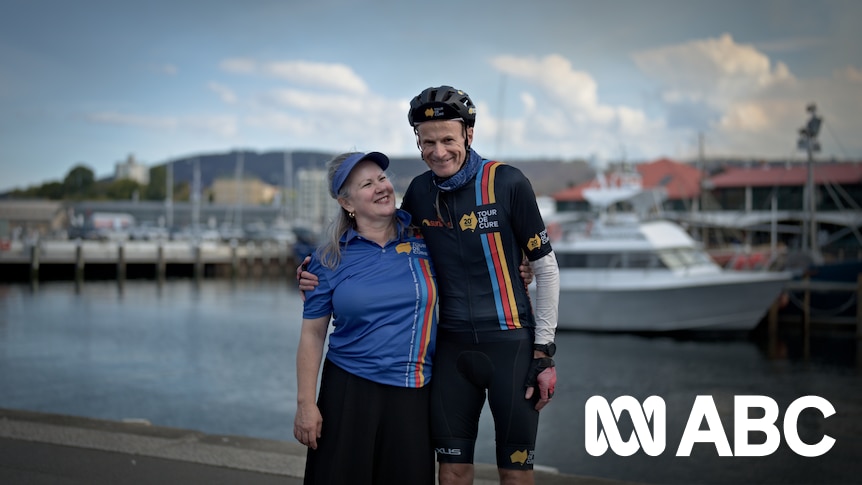
Scolyer was known for his boundless energy off the clock too. He was a devoted participant in Tour de Cure, a charity bike ride that raises money for cancer research. As part of Tuesday's memorial events, riders travelled from Martin Place to the Sydney Opera House in his honour, Mirage News reported. The ride captured the spirit of a man who never stopped pushing forward.
Leaders and Colleagues Pay Final Respects at the Opera House
Prime Minister Anthony Albanese and the NSW Premier attended the state memorial, a formal recognition of Scolyer's contribution to Australian public life. The Sydney Opera House setting reflected the scale of his impact. ABC News reported the service began with tributes to his pioneering research and his courage in facing his own illness publicly.
Long's description of her colleague as 'the pathologists' pathologist' captured the depth of respect he earned from peers. His work touched thousands of patients directly and millions more through the researchers he trained and inspired. The memorial closed a chapter — but the grant, the trials, and the students he mentored will keep his science alive.
Sentiment
Mostly PositiveNEGATIVENEUTRALPOSITIVE
Publishers
11
Articles
5
Reach
16
Topics
A
AnonymousAuthor


