Lunar Debris Impact
SpaceX Falcon 9 Upper Stage to Impact Moon in 2026, Raising Space Debris Concerns
Anonymous
Key Points
1
NASA's Lunar Reconnaissance Orbiter is expected to inspect the impact site about a week after the August 5 collision to search for traces left on the lunar surface.
2
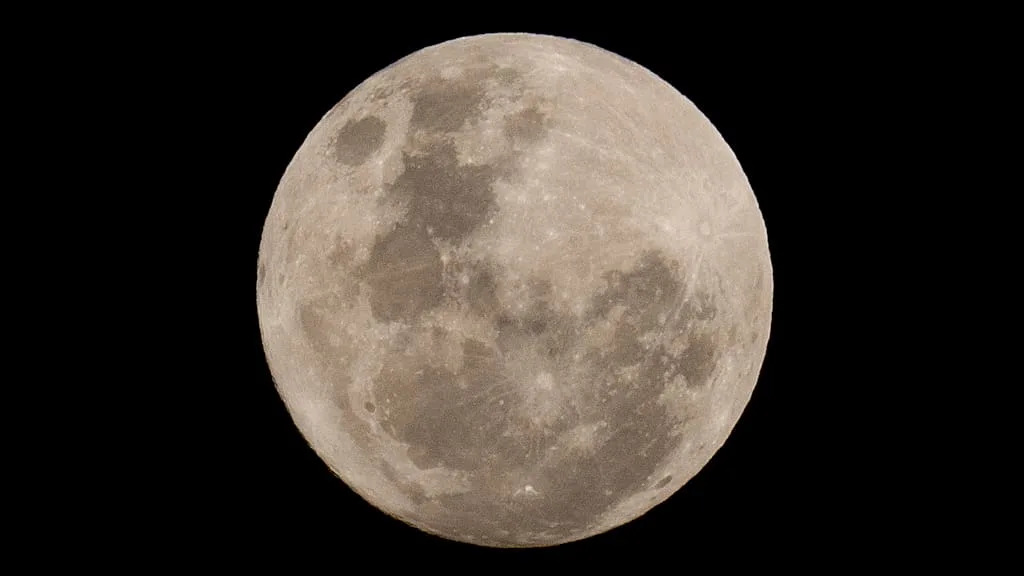
The predicted impact location is near the edge of the lunar disc, specifically between the Einstein and Bell craters on the Moon’s western limb (the near/far side boundary).
3
The upper stage is about 13.8 meters long and weighs more than 4,000 kilograms when empty, traveling at speeds above 2 kilometers per second; estimates put the impact speed around 8,700 km/h in some summaries.
4
This incident follows a prior event four years ago when debris believed to be from a Chinese rocket struck the Moon and was imaged by the Lunar Reconnaissance Orbiter, highlighting ongoing concerns about unplanned lunar encounters and spacecraft disposal practices.
A spent SpaceX Falcon 9 upper stage is on course to slam into the Moon on August 5, 2026, according to calculations by astronomer Bill Gray of Project Pluto and confirmed by NASA, according to Yahoo News. The four-tonne piece of rocket hardware has been looping between Earth and the Moon for months, and nothing is expected to stop the collision.
The object is about 13.8 meters long and weighs more than 4,000 kilograms when empty. It will hit at roughly 8,700 kilometers per hour, according to Newsy Today. There is no danger to people on Earth, but the crash will dig a fresh crater on the lunar surface.
Where and When the Rocket Will Strike the Moon
The upper stage is expected to hit near the Moon's western limb — the boundary between the near side and the far side. Yahoo News reports the predicted strike zone sits between the Einstein and Bell craters. That location puts the impact near the Moon's edge, not its center, when viewed from Earth.
Astronomers began tracking the object's path back in September. The debris has been slowly spiraling into a collision course. Newsy Today notes the impact speed is high enough to excavate a visible crater, and NASA's Lunar Reconnaissance Orbiter is expected to fly over the site roughly one week after the crash to photograph the damage.
Could Anyone on Earth Actually See the Crash?
Probably not — but it is not impossible. The impact will not be directly visible from Earth since it occurs near the limb. However, some scientists say a sunlit cloud of dust thrown up by the blast could briefly become detectable under the right conditions, according to Yahoo News.
Lunar impacts happen regularly in space, but they are almost never tracked in advance with this much precision. The ability to predict this crash months out gives scientists a rare chance to study what happens when large debris hits the Moon — and to prepare cameras and sensors in advance.
This Is Not the First Unplanned Lunar Crash
Four years ago, debris believed to be from a Chinese rocket struck the Moon in a similarly unplanned event. NASA's Lunar Reconnaissance Orbiter imaged the resulting crater, according to Newsy Today. That collision raised early alarms about the lack of rules governing what happens to spent rocket parts after a mission ends.
The SpaceX stage was never meant to hit the Moon. It ended up in a chaotic orbit after completing its mission, with no fuel left to steer it away. Zamin reports the event is being called a serious incident tied to space debris. Experts say more crashes like this are likely as the number of launches grows each year.
Growing Pressure to Set Rules for Space Junk
The coming crash is adding fuel to a long-running debate. Right now, there are no binding international rules that require rocket makers to safely dispose of upper stages after a mission. Spent hardware can drift for years — or decades — before it hits something.
NASA and independent astronomers are calling for clearer norms. Yahoo News notes the incident is part of a broader conversation about the lasting footprint of human activity in space. With SpaceX, China, India, and others launching dozens of rockets per year, the odds of future unplanned impacts keep rising.
Sentiment
Mostly NegativeNEGATIVENEUTRALPOSITIVE
Publishers
13
Articles
5
Reach
18
A
AnonymousAuthor


