Modern Interview Dress Codes
Navigating the Changing Expectations for Job Interview Dress Codes in a Post-Pandemic World
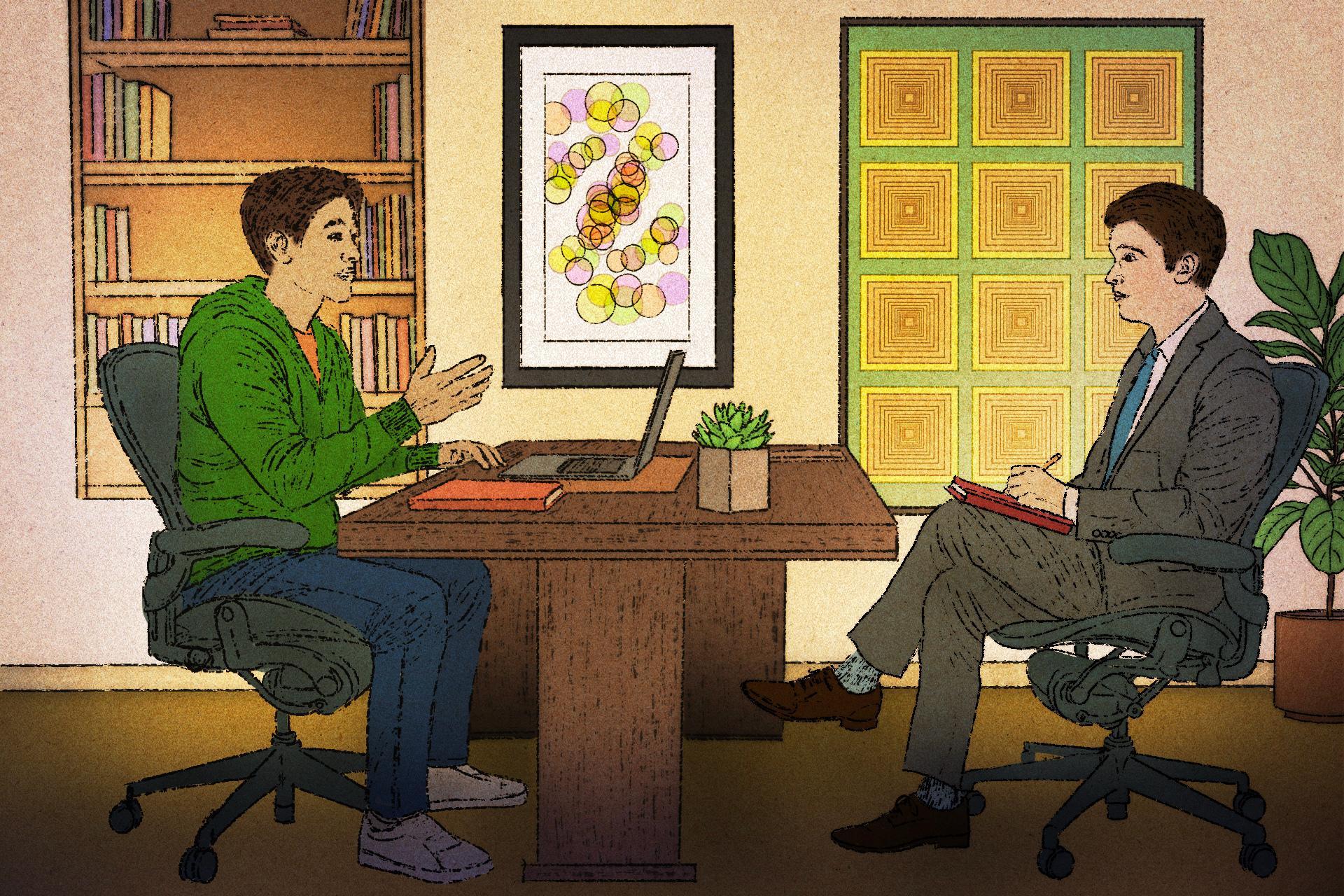
Job candidates are navigating a new dress code dilemma in the post-pandemic workplace. OC Register reports that professional business attire is no longer the default for interviews, as casual work environments and virtual meetings have blurred the lines between formal and relaxed dress standards.
The shift leaves applicants unsure whether to wear a tailored suit or comfortable jeans. Experts recommend that candidates research company culture beforehand or ask recruiters directly about dress expectations—especially for executive roles and traditional fields like law and finance where formality still matters.
Casual Workplaces Have Changed Interview Expectations
The rise of tech-forward companies and remote work has fundamentally altered how people dress for job interviews. Morning Journal notes that many workplaces now operate in jeans and t-shirts daily. Candidates who arrive in full business attire may look out of step with company culture. This cultural shift means there's no longer a one-size-fits-all interview outfit.
Virtual interviews have accelerated this change. San Bernardino Sun explains that when meetings happen on video calls, candidates see hiring managers in casual clothes. This normalizes relaxed dress codes and makes formal suits feel excessive. Many companies have dropped dress codes entirely post-pandemic.
Traditional Industries Still Value Professional Appearance
Not all fields have abandoned formal dress norms. Greeley Tribune reports that law firms, financial institutions, and executive-level positions still expect polished business attire. A well-tailored suit remains the safe choice for these conservative industries. Candidates interviewing for senior roles should err on the side of formality.
The divide is stark: tech companies welcome hoodies while law firms expect blazers. The Times-Tribune found that industry matters more than ever when deciding what to wear. Candidates need to understand their target company's values and norms before walking into the interview room.
Smart Research Beats Guessing Your Way Through Dress Code
The best strategy is to investigate before the interview. Daily Local suggests checking a company's website, social media, and employee photos to see how people actually dress. Call the recruiter directly and ask about dress expectations. Most will appreciate the question and give honest guidance.
Your wardrobe is a personal branding tool that shapes how you're perceived professionally. Citizens Voice emphasizes that dressing appropriately shows respect and understanding of workplace culture. Getting this right can set a positive first impression—but getting it wrong can work against you, even if you're the best candidate.
Sentiment
NeutralPublishers
13
Articles
12
Reach
13


