Jackdaw Gas Field Approval
UK Expected to Approve Jackdaw Gas Field to Ease Energy Prices
Anonymous
Key Points
1
Supporters say Jackdaw would create 3,500 jobs during construction and 880 during its operational lifetime, and they argue the gas is more valuable for lowering household bills because North Sea gas is mainly domestic while oil is mainly exported.
2
The BBC reports that while the project’s owner says Jackdaw will supply up to around 6% of UK demand at peak, environmental groups contest that figure, saying it would supply only about 2%.
3
The Guardian says campaigners claim the two projects could cause up to £336bn worth of economic damage due to carbon pollution from the oil and gas produced, echoing the basis of the earlier court challenge over climate impacts.
4
A UK Department for Energy Security and Net Zero spokesperson told the Scotsman that decisions will “take into account all relevant evidence, including environmental assessments and public representations received during the consultation process,” while the department said it does not comment on speculation about timing.
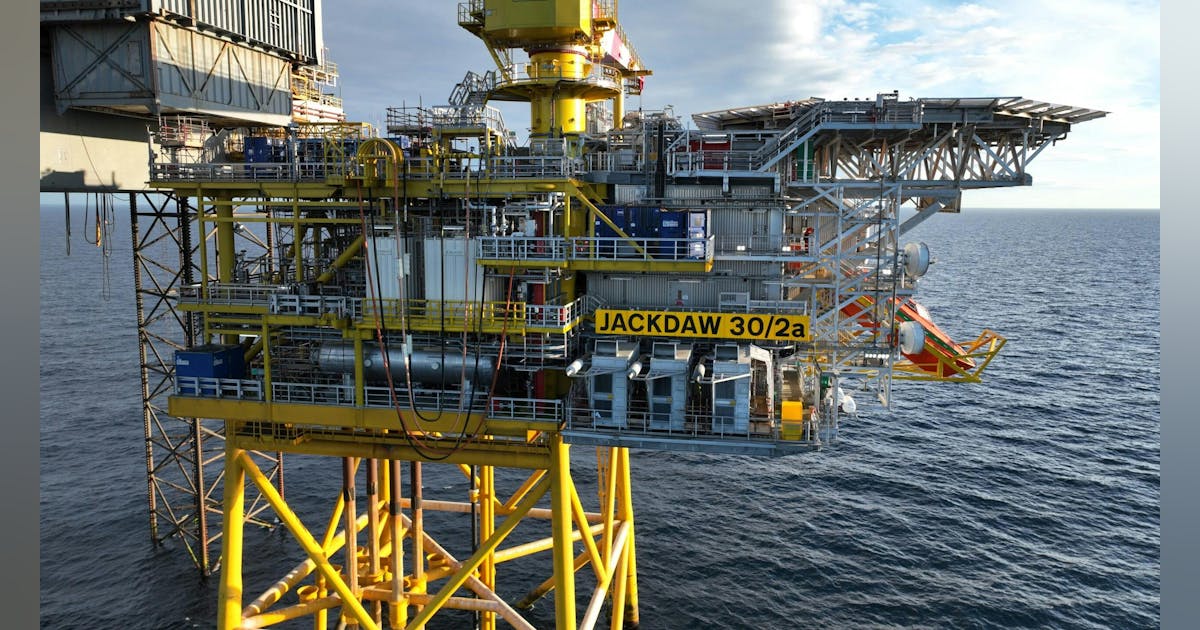
The UK government is poised to approve the Jackdaw gas field off Aberdeen this month or by mid-September, after court rulings forced a fresh climate review, according to Offshore Magazine. Energy Secretary Miatta Fahnbulleh and Prime Minister Andy Burnham are weighing the decision as household energy bills remain high. The field could supply up to 6% of UK gas demand at peak, with gas potentially flowing by winter.
The project, operated by Adura with Shell and Equinor as partners, faced earlier court defeats over inadequate climate assessments. Environmental groups oppose Jackdaw, arguing it would increase carbon pollution and cause up to £336 billion in economic damage, according to The Guardian. A decision on the Rosebank oil field may also come later this year.
How Court Rulings Reshaped the Approval Timeline
Jackdaw's original approvals were overturned because regulators failed to assess the climate impact of burning the extracted fuel. The Court of Session required more detailed emissions analysis. Operators had to resubmit applications and the government reopened public consultation. This compliance work is why approval is now expected in late September rather than earlier in the year.
The Scotsman reported that a Department for Energy Security and Net Zero spokesperson said decisions will "take into account all relevant evidence, including environmental assessments and public representations received during the consultation process." The department declined to comment on timing speculation.
Why Politicians Favor North Sea Gas Over Oil
North Sea gas is largely consumed domestically, making it a tool to reduce household exposure to volatile international prices. By contrast, most UK oil is exported. With energy bills pinching families, the government sees quick North Sea gas additions as a near-term relief valve. Operators say infrastructure is nearly complete, enabling first gas to arrive this winter.
Supporters argue Jackdaw would create 3,500 construction jobs and 880 operational positions. However, The BBC reports environmental groups dispute the project's 6% demand estimate, claiming it would supply only about 2% of UK gas needs.
The Climate Cost Climate Campaigners Keep Raising
Environmental campaigners contend that Jackdaw and Rosebank would cause up to £336 billion in economic harm from carbon pollution released when the oil and gas burn. This reasoning mirrors the legal argument that overturned earlier approvals. Protests are continuing across the UK.
Most commercially viable North Sea reserves have already been used up, meaning new projects offer only temporary supply relief, not a long-term solution. The "accelerate use to pay for the transition" logic is essentially a short-term financing bet: extract gas now to lower bills while the UK builds clean power capacity, before the North Sea's economic window closes.
Sentiment
Mostly NegativeNEGATIVENEUTRALPOSITIVE
Publishers
20
Articles
82
Reach
102
A
AnonymousAuthor


