Texas Halts Flock Permits as Missouri Tightens Rules
Texas Halts Flock Permits as Missouri Tightens Rules
Anonymous
Key Points
1
TxDOT says it only reviews permits to ensure ALPR cameras are installed safely on state-owned roads; it does not install the cameras or have access to the data they collect. The permit suspension also covers agreements that were approved but whose cameras have not yet been installed.
2
Texas had an estimated 13,000 Flock cameras in August, and hundreds were shut down after Abbott’s funding freeze, although existing devices were not immediately affected by the permit suspension.
3
Sen. Josh Hawley said Flock’s system is accessible to private citizens and can use artificial intelligence to connect sightings from one camera to another. He said he had been told the company’s database contained about 20 billion images, while questioning how long images are retained and how securely the database is protected.
4
Missouri House Speaker Jon Patterson said lawmakers were discussing proposals ranging from an outright ban to regulation, while Democratic Rep. Ashley Aune criticized the order as lacking teeth and said the legislature cannot introduce new bills on the issue until January 2027 unless the governor calls a special session.
5
Missouri’s order was described by the governor’s office as the first action of its kind by a U.S. governor to protect residents’ privacy while preserving law-enforcement uses of ALPR technology; Kehoe urged local agencies to adopt the practices voluntarily when existing contracts and laws allow.
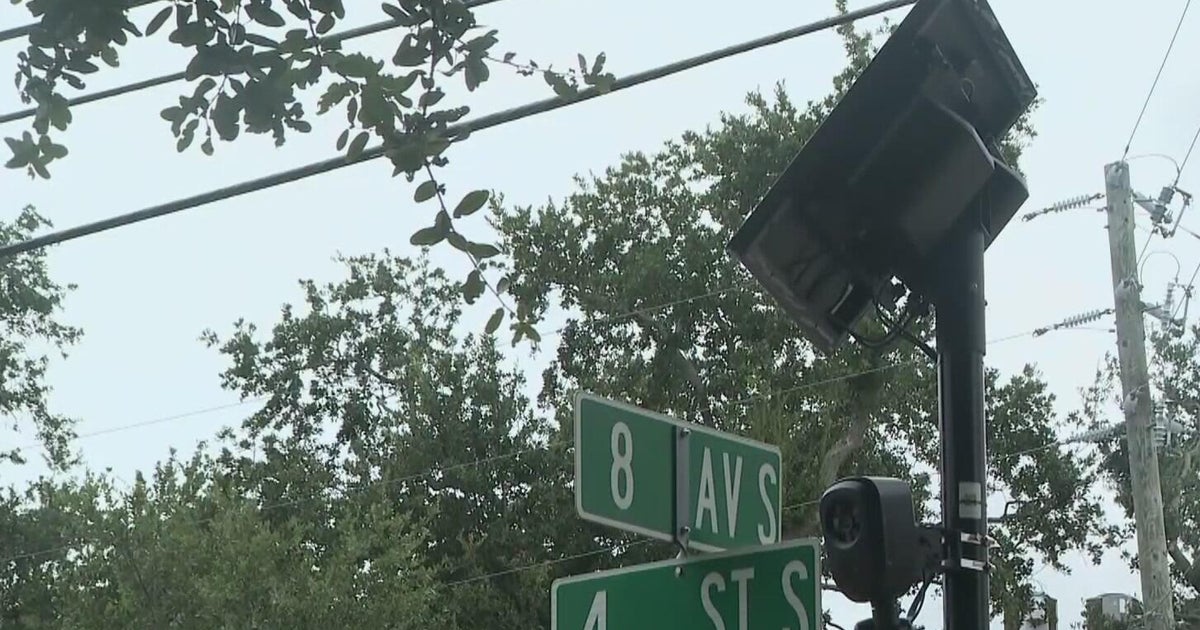
Texas has stopped issuing new permits for Flock Safety and other automated license plate reader cameras on state roads, following an order by Gov. Greg Abbott who cited concerns about creating a "surveillance state." CBS News reported that the halt covers both new permits and previously approved agreements whose cameras have not yet been installed, though existing devices remain active for now.
Meanwhile, Missouri Gov. Mike Kehoe issued an executive order requiring state agencies to delete most automated license plate reader data within 30 days, barring vendors from selling or sharing the information and threatening discipline or criminal referral for misuse. CBS News noted that Kehoe called the move the first action of its kind by a U.S. governor to protect privacy while preserving law enforcement access.
Abbott Freezes Flock Expansion Over Privacy Worries
The Texas permit suspension follows Abbott's earlier order to pause funding for the camera systems. Star-Telegram reported that TxDOT only reviews permits to ensure cameras are installed safely on state-owned roads and does not install them or access the data. Texas had roughly 13,000 Flock cameras in August, with hundreds shut down after the funding freeze.
Law enforcement agencies argue the technology helps recover stolen vehicles, locate missing people, and investigate crimes. But Abbott's freeze signals growing skepticism about the devices' privacy implications and potential for misuse without clear oversight.
Hawley Questions Flock's Data Security and Scale
Sen. Josh Hawley has raised alarm about the reach of Flock's network. He said the company's database contains about 20 billion images and that the system is accessible to private citizens, using artificial intelligence to connect sightings across cameras. Hawley questioned how long images are kept and how securely the database is protected from misuse.
Missouri Sets 30-Day Data Deletion Deadline
Gov. Kehoe's order limits automated license plate reader use to legitimate criminal justice and lifesaving purposes, bars facial-recognition integration, and requires state and state-funded local agencies to delete collected data within 30 days. Express News reported that violations could trigger disciplinary action, criminal referrals, and loss of officer licenses.
Kehoe described the order as an interim step while lawmakers develop permanent rules. Missouri House Speaker Jon Patterson said legislators are weighing proposals ranging from outright bans to regulation, though Democratic Rep. Ashley Aune criticized the order as lacking sufficient teeth.
Lawmakers Debate Stronger Safeguards and Bans
Missouri cannot introduce new bills on automated license plate readers until January 2027 unless Kehoe calls a special session, leaving the executive order as the primary short-term guardrail. Dallas News noted that the governor's office urged local agencies to adopt the practices voluntarily when existing contracts and laws allow.
Critics say both states need stronger permanent legislation. The debate reflects growing national concern about mass surveillance and corporate data collection without adequate privacy protections or public consent.
Sentiment
Mostly NegativeNEGATIVENEUTRALPOSITIVE
Publishers
14
Articles
61
Reach
75
Topics
A
AnonymousAuthor


