Europe's Largest Carbon Capture
Yara Opens Europe's Largest Carbon-Capture Facility to Store Industrial Emissions
Anonymous
Key Points
1
Yara and Northern Lights signed a binding transport-and-storage agreement in November 2023, after agreeing initial terms in 2022; the arrangement separates the industrial capture operation from the shipping and offshore-storage infrastructure.
2
The Sluiskil system is designed to divert waste streams from ammonia and urea production that were previously released as flares into the capture process.
3
Yara says the captured volumes could help it avoid carbon taxation, while the resulting low-carbon ammonia and fertilizer could support applications in agriculture, industry, energy and maritime fuels.
4
The scale-up challenge remains substantial: the International Energy Agency projects 7.6 gigatonnes of annual carbon capture by 2050, compared with 77 operating facilities currently capable of capturing 64 million tonnes a year—a roughly 119-fold increase.
5
The project is intended to capture emissions at the industrial source rather than remove carbon dioxide already present in the atmosphere; its climate benefit depends on preventing part of the plant’s production emissions from being released.
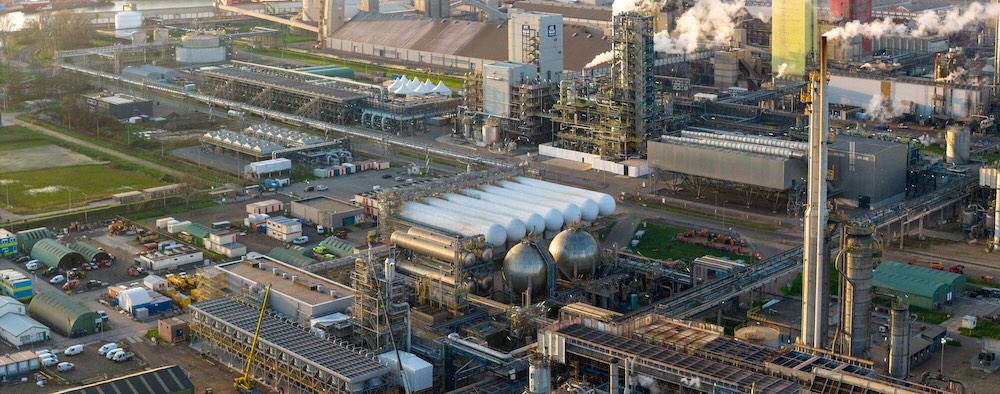
Yara International has opened Europe's largest carbon-capture facility at its fertilizer plant in Sluiskil, the Netherlands. Reuters reports that starting in 2026, the facility will capture and liquefy up to 800,000 tonnes of CO2 annually from ammonia production, with roughly 12 million tonnes potentially stored over 15 years beneath the Norwegian seabed.
The captured carbon will travel through Northern Lights, a pipeline consortium owned by Equinor, Shell, and TotalEnergies, and be injected about 2.6 kilometers under the ocean floor. Euobserver notes this creates the first cross-border chain linking industrial capture, transport, and permanent storage—designed to decarbonize an industry historically hard to clean up while keeping European fertilizer production alive.
Ammonia Plant Diverts Waste Streams Into Capture
The Sluiskil system works by redirecting waste carbon that would have been flared—burned and released—during ammonia and urea production. Instead of escaping into the air, these emissions now flow into the capture process. The facility is engineered to handle the chemical composition of fertilizer-plant exhaust, a specialized application that required years of design work.
A Binding Deal Locks in Transport and Storage for 15 Years
Yara and Northern Lights signed a binding transport-and-storage agreement in November 2023, after initial terms in 2022. Euobserver explains that this arrangement separates the industrial capture operation at Sluiskil from the shipping and offshore-storage infrastructure owned by the pipeline consortium. The split model lets each partner focus on its core function while sharing climate and commercial risk.
Low-carbon ammonia and fertilizer produced by the plant could serve agriculture, industry, energy, and maritime fuel applications. Yara expects the captured volumes to help it avoid carbon taxation and unlock premium pricing for cleaner products in markets that increasingly demand decarbonized inputs.
Global CCS Capacity Remains Far Below Climate Targets
While the Sluiskil project is technologically advanced, the global scale challenge is enormous. The International Energy Agency projects the world will need to capture 7.6 gigatonnes of CO2 annually by 2050 to meet climate goals. Today, just 77 operating facilities capture 64 million tonnes a year—meaning the world needs roughly 119 times more capacity.
Critics also note that some large carbon-capture projects have stored less carbon than promised. Reuters reports that the Sluiskil facility focuses on preventing emissions at the source—stopping the plant's production CO2 from being released—rather than pulling carbon already in the atmosphere. The climate benefit depends on whether this method actually avoids a portion of the plant's annual emissions.
Sentiment
Mostly PositiveNEGATIVENEUTRALPOSITIVE
Publishers
13
Articles
52
Reach
65
A
AnonymousAuthor


