U.S. Sanctions 27 Iranian Airlines, 35 Entities
U.S. Sanctions 27 Iranian Airlines, 35 Entities
Anonymous
Key Points
1
Mahan Air has also been sanctioned by the European Union over allegations that it transferred drones to Russia, which the EU says were used in attacks on Ukraine.
2
OFAC’s designations place the airlines on the Specially Designated Nationals and Blocked Persons List, and some entities are also covered by Executive Order 13224, a terrorism-financing measure that gives U.S. authorities broader enforcement tools.
3
OFAC issued General License 37 to permit limited wind-down activities for companies with existing business relationships with the sanctioned airlines, while suspending prior authorizations for re-exporting civil aircraft to Iran.
4
The newly listed companies include Air Shiraz, Fly Persia Airlines, Fly Kish Airlines, Ata Airlines, Ava Airlines, Chabahar Airlines and several tour and logistics firms supporting Iran’s aviation sector.
5
Mahan Air has been under U.S. sanctions since 2011, while Iran Aseman Airlines—established in 1980—is described as a newer addition to the U.S. restricted list.
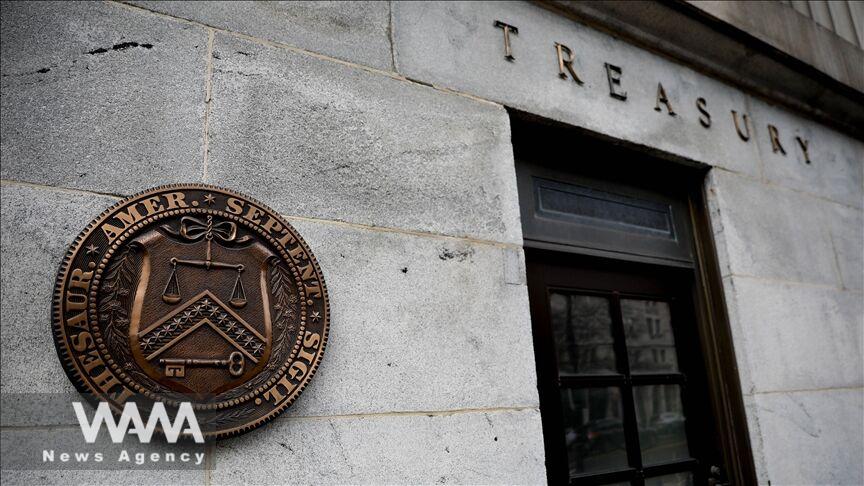
The United States has sanctioned 27 Iranian airlines and 35 other entities tied to Iran's aviation sector, according to Treasury Department announcements. The move targets carriers like Mahan Air and Iran Aseman Airlines, which U.S. authorities say transported Islamic Revolutionary Guard Corps personnel, drones, and military equipment. The sanctions are part of the Trump administration's broader "Operation Economic Outcast," which aims to financially cripple Tehran's aviation, shipping, and digital-asset sectors amid escalating regional tensions.
Analysts warn the sanctions could increase the risk that Iran closes its airspace entirely, with prediction markets putting that probability at 26.5% by year-end, according to market watchers. Foreign companies face secondary sanctions and exclusion from global finance if they assist the blacklisted carriers. The measures also suspend some aircraft re-export authorizations to Iran, though OFAC permits limited wind-down activities for existing business deals.
Mahan Air and Seven Other Major Carriers Now Blocked
Mahan Air has operated under U.S. sanctions since 2011 but faces new restrictions alongside Iran Aseman Airlines and five regional carriers: Air Shiraz, Fly Persia Airlines, Fly Kish Airlines, Ata Airlines, and Ava Airlines, according to WANA News. The designations place these airlines on the Specially Designated Nationals and Blocked Persons List, preventing U.S. financial institutions from processing any transactions. Some entities also fall under Executive Order 13224, a terrorism-financing measure that gives U.S. authorities broader enforcement powers to freeze assets and pursue violations.
Europe Joins Washington in Targeting Mahan Air
The European Union previously sanctioned Mahan Air over accusations that it transferred drones to Russia, which EU officials say were used in attacks on Ukraine. Now Washington's expanded sanctions align with European pressure, creating a coordinated squeeze on the carrier's operations. Combined restrictions limit Mahan Air's ability to refuel, secure insurance, or access parts markets across Western jurisdictions.
Notus.org reports that the sanctions target foreign cargo service providers and tour operators supporting Iran's aviation infrastructure. Chabahar Airlines, several logistics firms, and other civilian entities involved in aviation support now face asset freezes and transaction blocks. These secondary targets reduce Tehran's ability to sustain flight operations even when carrier designations alone might not ground aircraft.
Secondary Sanctions Pressure Global Financial Partners
U.S. law prohibits any person or entity under American jurisdiction from transacting with the sanctioned airlines. Treasury warns that foreign banks, insurers, aircraft lessors, and suppliers face secondary sanctions if they provide material support. This multilayered approach aims to choke off Tehran's access to spare parts, maintenance services, and credit lines needed to operate a commercial fleet.
The effectiveness of sanctions depends on whether non-U.S. banks and trading partners comply. Analysts note that Iran can reroute business through jurisdictions willing to accept compliance risks, meaning enforcement—not designation alone—determines real impact. Reports suggest limited disruption to Tehran's largest trading partners so far, indicating that workarounds remain available despite the expanded restrictions.
Airspace Closure Risk Rises as Tehran Weighs Retaliation
Prediction markets estimate a 26.5% probability that Iran closes its airspace by year-end, up from lower baseline expectations. Such a move would disrupt regional commerce and raise geopolitical tensions while also isolating Iran further from the global economy. Regional analysts warn that cornered regimes may escalate activity around the Strait of Hormuz or pursue retaliatory military measures rather than submit to financial pressure alone.
Central Oregon Daily reports the sanctions are intended to end regional conflict by crippling Tehran's finances. However, experts caution that financial pressure does not automatically remove military capabilities or force political concessions. Iran can sustain military logistics through alternative networks, meaning the sanctions may intensify regional disruption without achieving immediate policy shifts.
Sentiment
Mostly NegativeNEGATIVENEUTRALPOSITIVE
Publishers
81
Articles
164
Reach
245
A
AnonymousAuthor