US Deaths Escalate Iran Tensions
US Service Members Killed in Iran-Linked Attacks; Trump Pledges Stronger Military Response
Anonymous
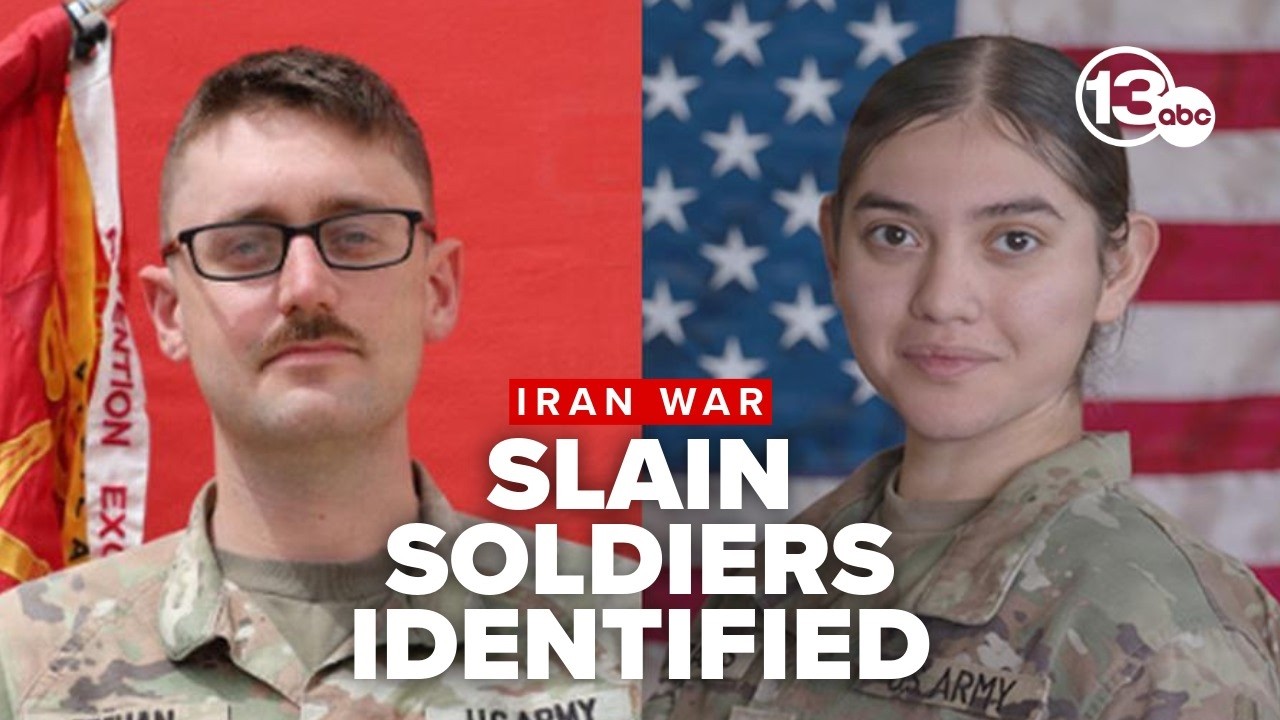
President Donald Trump vowed that Iran will "pay many times over" after three U.S. service members were killed in Iran-related attacks. The deaths mark a serious escalation in tensions between Washington and Tehran. KSBW reported that the total number of U.S. service members killed in the conflict now stands at 17.
The Pentagon identified two of the fallen as 19-year-old Isabella Gonzales of Texas and 25-year-old Tyler Feehan of Hawaii. Both were killed in Jordan while defending against Iranian ballistic missile and drone attacks. A third service member died in Iraq during the controlled detonation of an Iranian drone, according to WESH.
Who Was Killed and How They Died
Isabella Gonzales, 19, and Tyler Feehan, 25, were stationed in Jordan. They died while U.S. and partner forces fought off a wave of Iranian ballistic missiles and drones. The attack required active defense, meaning troops were engaged in combat conditions, according to MyNBC5.
A third service member was killed in Iraq under different circumstances. That soldier died during a controlled detonation of a captured Iranian drone. Controlled detonations are planned explosions used to safely destroy enemy weapons — but they still carry deadly risk, WDSU reported.
Trump Promises a Stronger Military Response to Iran
Trump did not hold back after news of the deaths broke. He said Iran would "pay many times over" for the attacks. The statement signals the White House is weighing direct military action against Iranian targets, according to KMBC.
The administration has not yet said what specific steps it will take. But the language from Trump is sharper than before. Analysts say the phrase "many times over" suggests a response larger in scale than past strikes on Iran-backed groups.
Global Energy Markets Feel the Heat
The conflict is hitting consumers at the gas pump. Oil and gas prices have risen as the fighting escalates. Energy markets are sensitive to any conflict involving Iran because the country sits near the Strait of Hormuz — a key shipping lane for global oil, WBAL TV reported.
Higher oil prices lead to higher gas prices for everyday drivers. The longer the conflict lasts, the more pressure builds on global energy markets. Analysts warn prices could rise further if the fighting spreads.
State Department Warns Travelers Worldwide to Stay Alert
The U.S. State Department issued a global travel warning following the attacks. It urged people everywhere — especially in the Middle East — to exercise increased caution. The warning reflects fears that the conflict could spread beyond Jordan and Iraq, according to KCCI.
Travel warnings at this level are rare. They tell Americans to be aware of their surroundings and have a plan to leave quickly if needed. The State Department did not name specific countries as off-limits but stressed that the risk of escalation is real.
Sentiment
NeutralNEGATIVENEUTRALPOSITIVE
Publishers
7
Articles
7
Reach
7
A
AnonymousAuthor


