New Worker Power Office
New York City Establishes Nation's First Office of Worker Power to Support Labor Rights
Anonymous
Key Points
1
The office will coordinate with the Department of Consumer and Worker Protection, the Taxi & Limousine Commission and the Commission on Human Rights, which are directed to develop procedures for proactive workplace investigations.
2
The Mayor’s Office of Worker Power is intended to support organizing and connect workers with unions and community groups, rather than conduct enforcement itself; the office’s website includes a “get help” section for workers seeking organizing information and referrals.
3
The initiative is expected to hold public hearings on workplace issues, adding a public forum to its outreach, research and policy functions.
4
The administration presented the office as a response to steep economic inequality: a city Comptroller report cited in coverage found that more than 60% of New York City’s income went to the top 10% of earners in 2024, with the top 1% receiving 37%.
5
The office’s organizing model was described as being inspired by the Emergency Workplace Organizing Committee, a 2020 partnership between the Democratic Socialists of America and the United Electrical Workers.
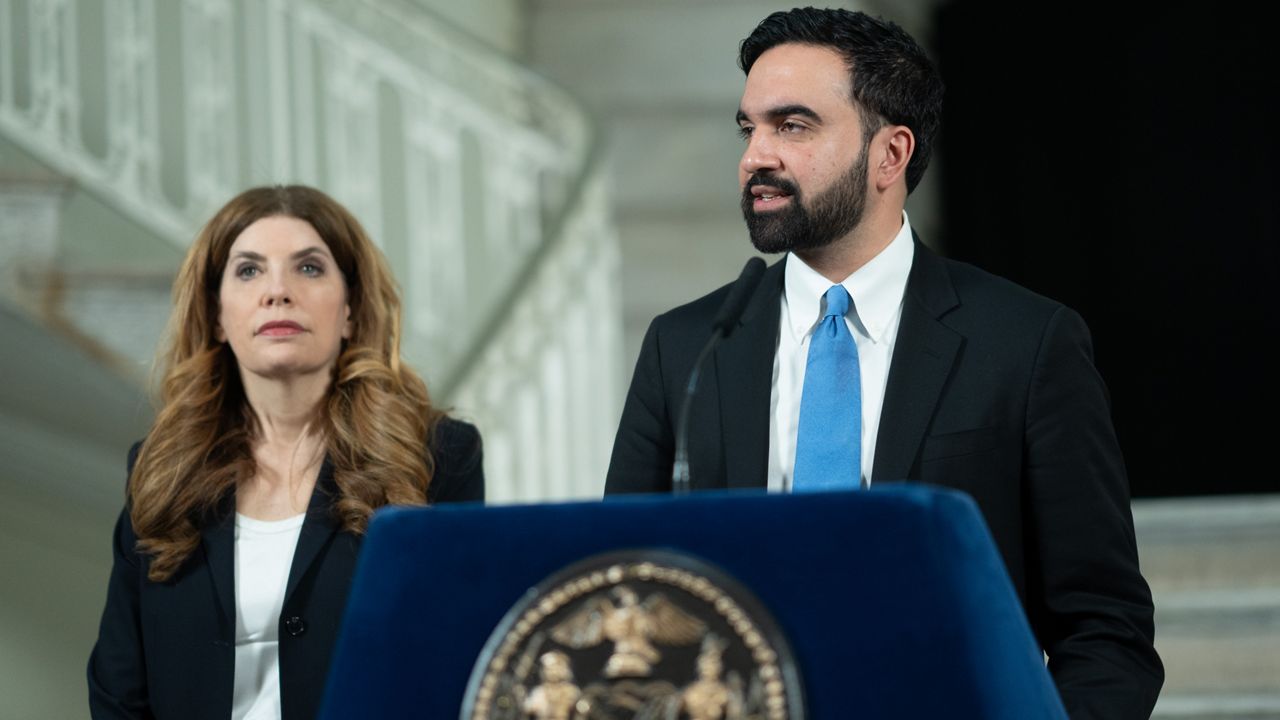
New York City Mayor Zohran Mamdani has created the nation's first Mayor's Office of Worker Power, a new city agency designed to help private-sector workers learn their rights, connect with unions, and organize for better pay and conditions. Harlem World Magazine The office, led by labor organizer Tony Perlstein and overseen by Deputy Mayor Julie Su, will coordinate across multiple city agencies and hold public hearings on workplace issues.
The initiative responds to stark economic inequality in New York City, where City Comptroller data cited shows more than 60% of income went to the top 10% of earners in 2024, with the top 1% receiving 37%. NY1 The office will support organizing efforts and connect workers with community groups rather than conduct enforcement itself, marking a shift toward proactive workplace investigations by city agencies.
A New Model for City-Backed Labor Support
The Mayor's Office of Worker Power stands apart from traditional labor enforcement. Newsmax It will not investigate violations itself. Instead, it will serve as a coordinator and connector, directing workers to unions and worker centers while providing organizing information through its website.
The office's structure borrows from successful models. Black Star News Its organizing approach was inspired by the Emergency Workplace Organizing Committee, a 2020 partnership between the Democratic Socialists of America and the United Electrical Workers. This model prioritizes community-led organizing over top-down enforcement.
Coordinated Investigations Into Labor Violations
The executive order directs city agencies to launch proactive workplace investigations—meaning they will look for violations without waiting for worker complaints. Harlem World Magazine The Department of Consumer and Worker Protection, the Taxi & Limousine Commission, and the Commission on Human Rights will develop new procedures focused on repeat offenders and employers with large numbers of low-wage workers.
This shift addresses a longstanding gap in labor oversight. Silive Workers often lack the power to report unsafe conditions or wage theft without fear of retaliation. Proactive investigations protect vulnerable employees in sectors like delivery work, where exploitation is common.
Part of a Broader Worker Protection Agenda
The office fits within Mamdani's larger affordability and labor platform. NY1 His administration has expanded protections for delivery workers and implemented workplace heat safeguards—rules that protect workers from dangerous conditions during hot weather.
The Mayor announced the office on Labor Day, signaling his administration's priority on worker issues. Silive While the office's exact budget and staffing levels remain unclear, the initiative reflects a commitment to using city government's power to reduce economic inequality and support workers organizing for better conditions.
Sentiment
Mostly NegativeNEGATIVENEUTRALPOSITIVE
Publishers
20
Articles
13
Reach
33
A
AnonymousAuthor


