Data Center Construction Moratorium
Michigan Senate Candidate Mike Rogers Proposes One-Year Moratorium on Data Center Construction
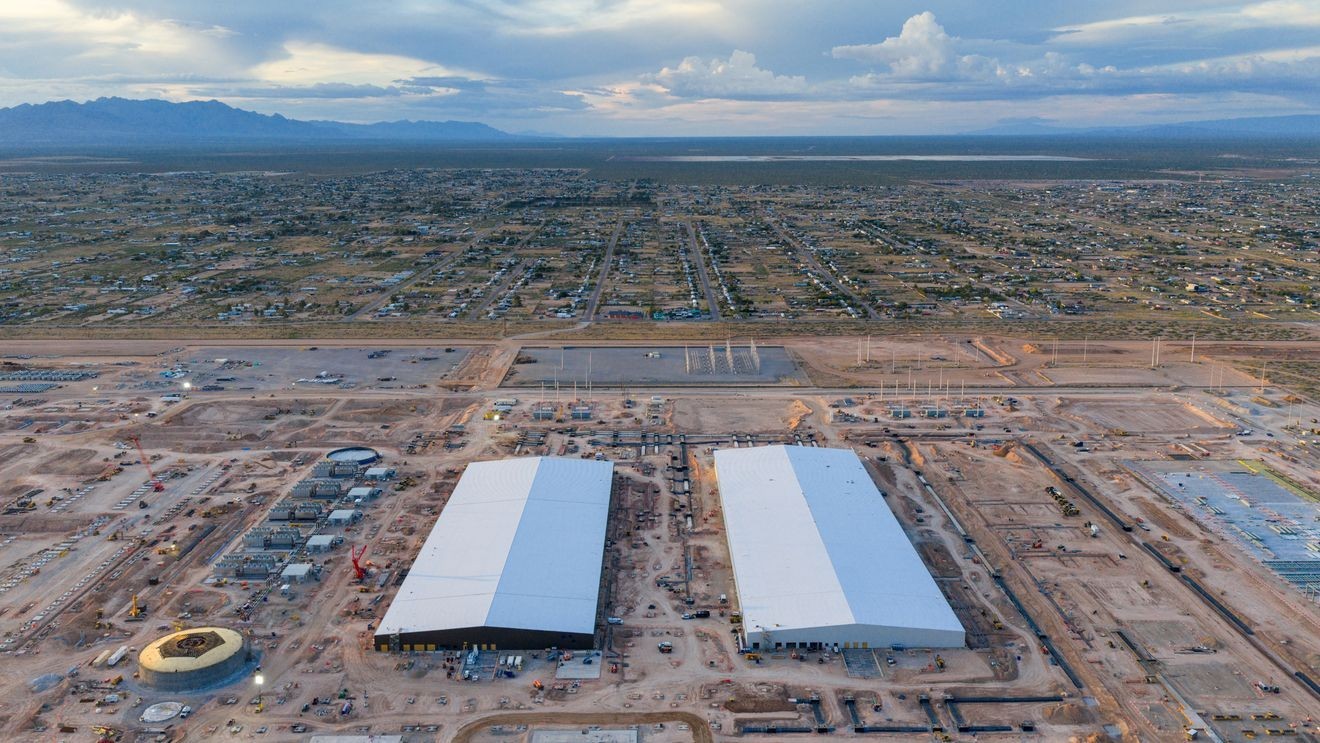
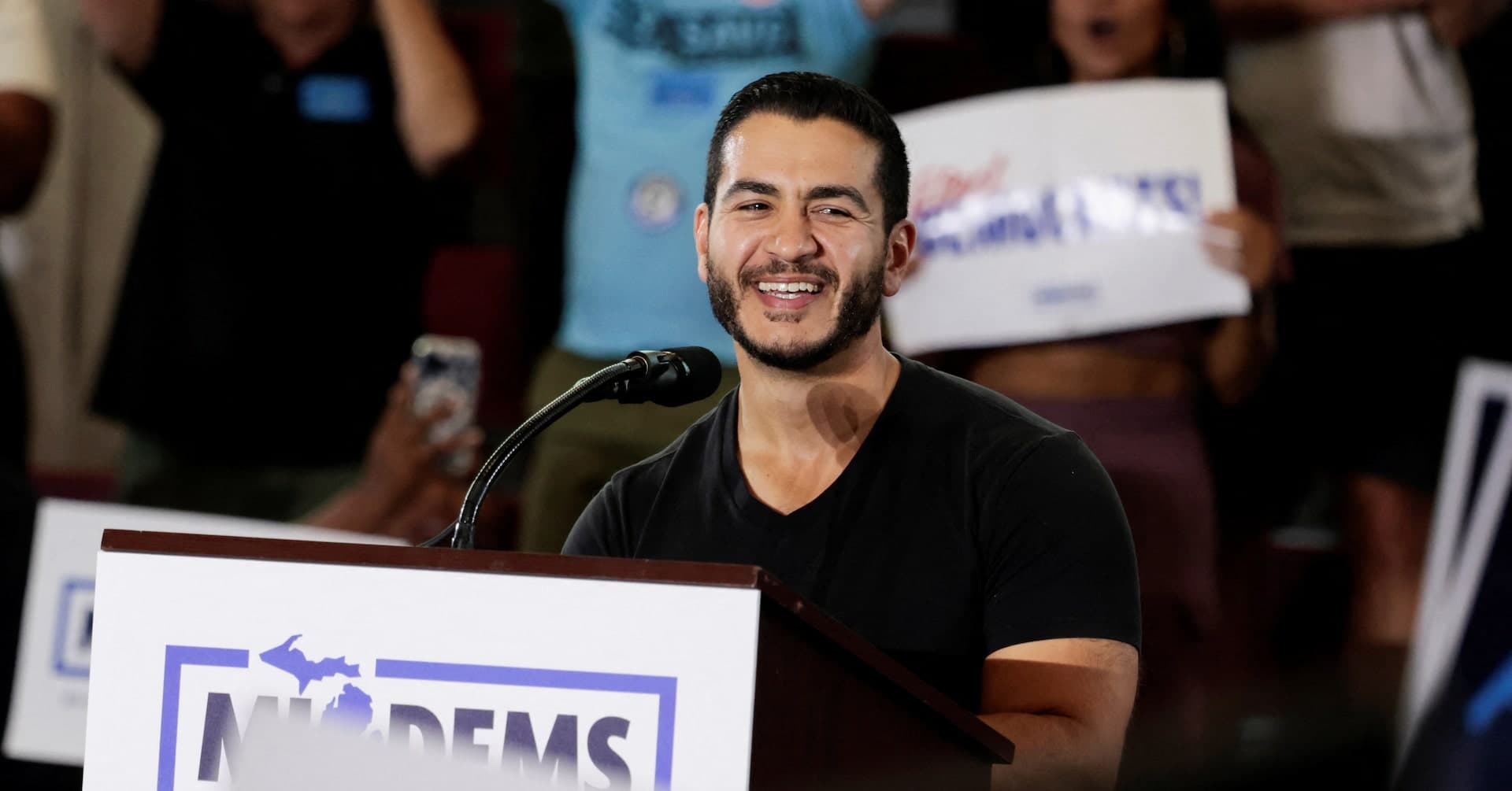
Former Rep. Mike Rogers, Michigan's Republican Senate candidate, announced he supports a temporary ban on data center construction lasting one year, ABC6. The facilities, which power artificial intelligence systems used by workers nationwide, are viewed by many Americans as large, loud, and wasteful. The move reflects growing frustration with federal inaction on AI regulation, giving congressional candidates a chance to lead where Washington has stalled.
Public trust in federal AI oversight remains low. Pew Research Center found that nearly half of Americans don't trust the federal government to regulate AI—including 38 percent of Republicans and 56 percent of Democrats. Rogers's Democratic opponent, Abdul El-Sayed, has advocated for strict federal guidelines on data center facilities instead.
Rogers Proposes Year-Long Construction Moratorium
Rogers's one-year moratorium would pause new data center development while regulators study the impact. ABC6 reported the former congressman believes a temporary halt allows time to assess energy demands and environmental consequences. Data centers consume enormous amounts of electricity and water, raising costs for communities near proposed facilities.
Why Data Centers Spark Public Concern
Data centers house the servers that run AI chatbots and other artificial intelligence tools. They generate noise and require constant cooling systems. Communities across the country have begun pushing back against new construction, citing rising energy bills and environmental damage. The facilities operate 24/7, making them significant power consumers in already-strained electrical grids.
Michigan Senate Race Hinges on Tech Regulation
The race between Rogers and El-Sayed reflects national debate over AI oversight. ABC6 noted that congressional candidates are filling the vacuum left by federal inaction. El-Sayed's push for strict guidelines contrasts with Rogers's moratorium approach. Both strategies signal that voters care deeply about controlling rapid AI expansion and protecting their communities.
Public Skepticism Fuels Political Action
Americans across the political spectrum distrust government handling of emerging technology. The Pew Research Center data shows Democrats (56 percent) slightly more skeptical than Republicans (38 percent). This shared concern gives politicians like Rogers and El-Sayed room to propose solutions. For voters worried about AI's costs and consequences, the Michigan race offers a chance to support their preferred regulatory approach.
Sentiment
NeutralPublishers
16
Articles
15
Reach
16