Experience Fresh Small-Batch Coffee.
Buffalo's Local Roast Reframes Coffee Quality, Highlighting Small-Batch Freshness and Flavor
Key Points
Five outlets published identical copies of The Local Roast feature with the Buffalo, NY dateline dated August 13, 2026, indicating a coordinated PR distribution rather than independent reporting.
The articles explicitly state that roasted coffee contains volatile aromatic compounds that are fragile and time-sensitive, so freshness is linked to proximity to the roast date and the cup’s aromatics and flavor.
The Local Roast is contrasted with large commercial roasters by highlighting that mass producers prioritize shelf stability and uniformity, whereas The Local Roast seeks to preserve and highlight the distinct personality of each coffee.
A Buffalo, New York specialty roaster is making the case that freshness is the most overlooked factor in a good cup of coffee. The Local Roast argues that roasted coffee begins losing its best aromas and flavors within days of leaving the roaster, making proximity to the roast date just as important as bean origin or brew method, according to The Prescott Times.
The story landed across five regional outlets on August 13, 2026, with nearly identical language — a sign of coordinated PR distribution rather than independent reporting. Still, the core message is straightforward: where and when coffee is roasted shapes what ends up in your cup, KITV reported.
Why Roast Date Matters as Much as Bean Origin
Roasted coffee is packed with volatile aromatic compounds. These compounds are fragile and break down fast. Wyoming News reported that The Local Roast links cup quality directly to how close the consumer is — in time — to the roast date. Days matter, not weeks.
The roaster keeps production local and timelines tight to preserve those compounds. The logic is simple: a bag roasted yesterday in Buffalo delivers more aroma and brightness than one roasted three weeks ago in a warehouse across the country, according to KULR8.
Small-Batch Roasting Versus the Commercial Shelf-Life Game
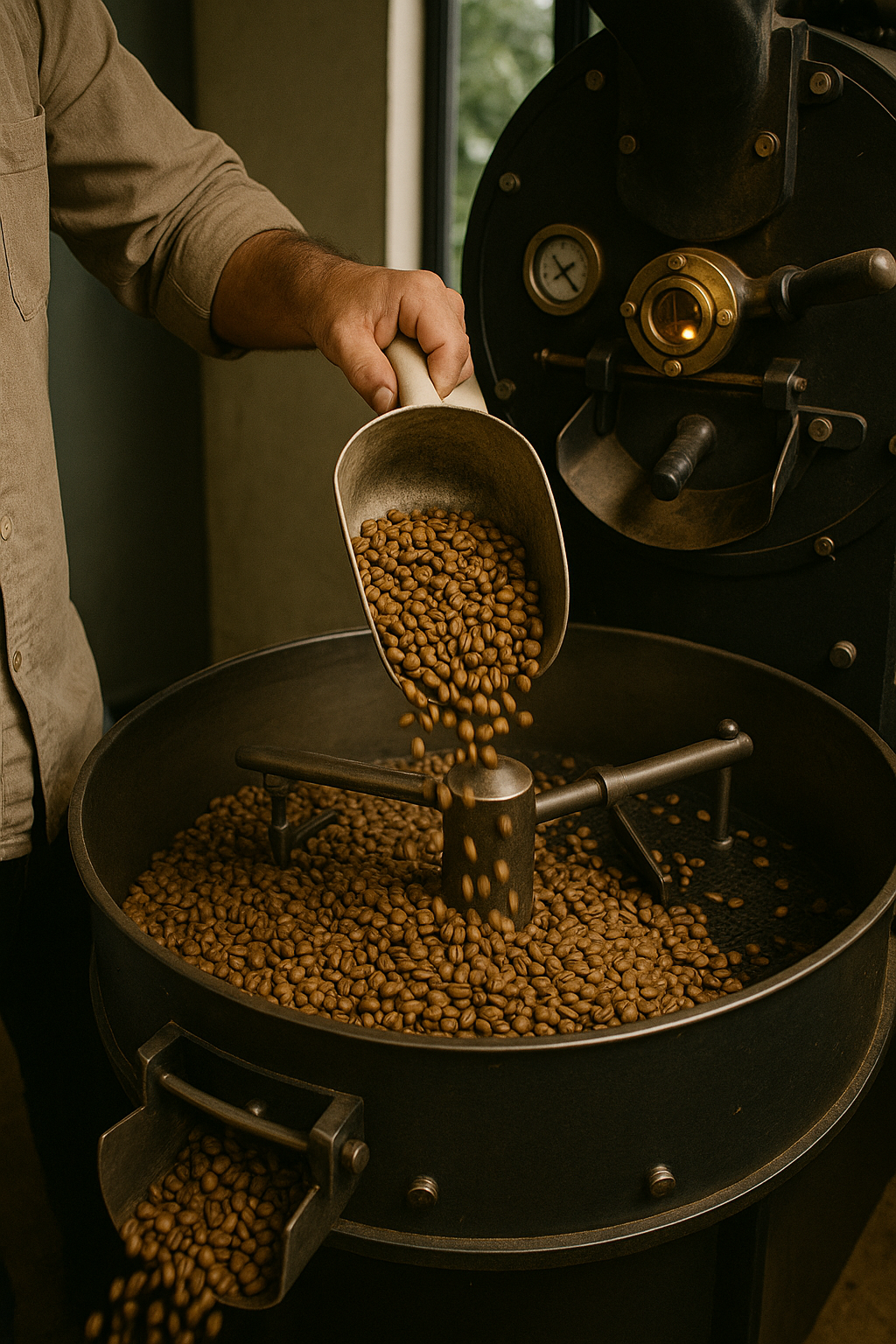
Large commercial roasters build their products for shelf stability and consistency. That means roasting to a profile that holds up for months in a grocery store. The Local Roast takes the opposite approach, The Prescott Times reported. Each batch is small, and each bean is treated differently.
A naturally processed bean — dried with the fruit still on — gets a different roast than a washed bean, which is stripped and dried before roasting. Treating them the same would erase what makes each unique. The goal is to highlight the personality of the origin, not flatten it into a generic blend.
Buffalo's Artisanal Coffee Scene Finds a Focused Voice
The Local Roast is positioning itself inside a broader shift toward artisanal, small-batch products. Coffee drinkers who want depth, brightness, body, and a clean finish are increasingly willing to pay more and look harder for beans roasted close to home, KITV reported.
The brand pairs its product with a clear educational message: provenance and timing are not marketing words — they are quality factors. That pitch lands well with connoisseurs who have already moved past big-name blends and want to know exactly where and when their coffee was made.
A PR Push Dressed as a News Story
Readers should note how this story spread. Five outlets — including Wyoming News, KITV, and KULR8 — published near-identical versions on the same date. The Buffalo dateline and shared language point clearly to a press release distributed through a wire service, not original journalism.
That does not make the claims false. Fresh coffee does taste better. Small-batch roasting does preserve more aromatics. But the framing as proof — "The Local Roast proves" — is a brand claim, not a verified finding. Consumers should weigh the message accordingly.
Sentiment
Mostly PositivePublishers
14
Articles
53
Reach
67


