World Cup Break Debate
World Cup hydration breaks spark debate over game rhythm and player welfare concerns.
Anonymous
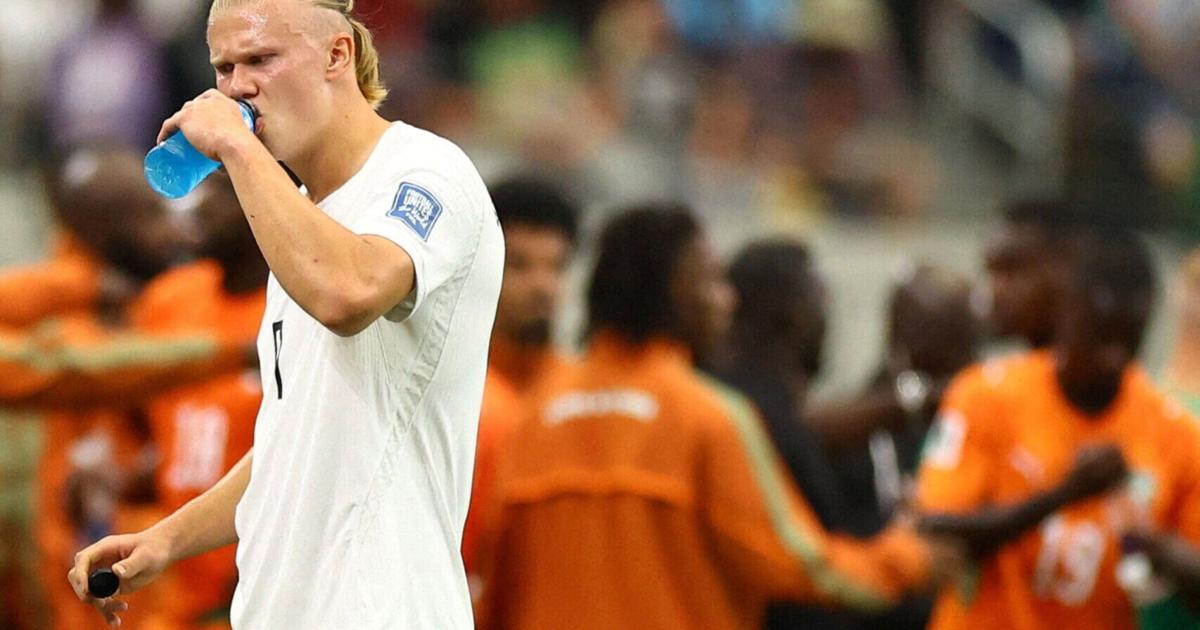
Three-minute water breaks are now a fixture of every World Cup match, introduced to shield players from extreme summer heat in the United States. The pauses come twice per game — once in each half — and have quickly sparked a heated debate about whether soccer is drifting toward the stop-start style of North American sports, according to Rapid City Journal.
The breaks sit alongside VAR reviews, lengthy injury stoppages, and extended added time. Together, Dothan Eagle reports, they raise a bigger question: how much can soccer change before it no longer feels like soccer?
Heat Forces FIFA to Pause the Beautiful Game
Temperatures at several World Cup venues have been dangerously high. FIFA responded by mandating a three-minute hydration break around the 30-minute mark of each half. The rule applies automatically when heat conditions meet a set threshold. Player welfare is the stated reason, according to Elko Daily Free Press.
FIFA President Gianni Infantino pointed to England's match against the Democratic Republic of Congo as a direct example of the breaks working. He said the hydration stop helped England recover during an intense comeback win. The breaks, he suggested, are a health necessity — not a gimmick, according to Beatrice Daily Sun.
Coaches Using Breaks as Tactical Timeouts
The breaks do more than rehydrate players. Managers are using the three minutes to regroup, reorganize, and deliver detailed instructions at critical moments. That is a sharp shift from soccer's traditional rule: coaches shout from the sideline and wait until halftime to talk tactics, according to Billings Gazette.
Critics say this gives teams a mid-half timeout that the sport was never designed to have. A team under pressure can suddenly reset. A team on the attack loses its momentum. The break, in effect, functions like a strategic pause — something far more common in basketball or American football, according to Waco Tribune-Herald.
Advertisers and Sponsors Love the Guaranteed Stoppage
For broadcasters and sponsors, the breaks are a gift. They offer guaranteed visibility at a fixed point in every single match. Unlike a foul or an injury, the hydration break is predictable. Advertisers know exactly when it will happen and can plan their segments around it, according to Tulsa World.
This commercial angle adds another layer to the debate. Soccer has long resisted formal advertising timeouts — unlike the NFL or NBA, which build broadcast deals around them. Critics worry the water break is a quiet step toward monetizing the flow of the game itself, according to Journal Now.
Fans and Pundits Push Back on the New Rhythm
Former Premier League striker Stan Collymore is among the vocal critics. He argues the breaks kill momentum and lead to more lasting stoppages throughout matches. "It creates a stop of momentum," he said. When a team is pressing hard, a forced three-minute pause can completely change the game's energy, according to Greensboro News & Record.
Viewed alongside VAR delays and growing injury time — some matches now see 15 or more minutes of added time — the water breaks add to a sense that soccer's clock is becoming more fragmented. Auburn Citizen reports the concern is not just about today's tournament, but about what the sport looks like if these changes become permanent.
Sentiment
NeutralNEGATIVENEUTRALPOSITIVE
Publishers
18
Articles
17
Reach
18
Topics
A
AnonymousAuthor


