FIFA's Hydration Break Review
FIFA to review controversial World Cup hydration breaks amid criticism of flow disruption and commercial gain
Anonymous
Key Points
1
Broadcasters reportedly earned significant premium from hydration-break advertising, with 30-second slots typically costing $200,000–$300,000 and prices rising to as much as $750,000 during U.S. matches and knockout stages.
2
Uruguay's Marcelo Bielsa joined critics by calling the hydration breaks a 'destroyer of football's cultural essence,' reflecting the strong dissent from certain coaches.
3
There were instances where breaks were mandated in conditions that did not clearly signal heat risk, such as a match played at 16°C, prompting questions about the rationale for the fixed breaks.
4
In conjunction with hydration breaks, FIFA introduced a rule requiring players receiving on-field medical treatment to leave the pitch for one minute before returning, a change FIFA says reduced overall medical interventions at the World Cup.
5
Some observers argued the hydration breaks effectively transformed matches into a four-quarter format, altering flow and momentum in ways not originally intended.
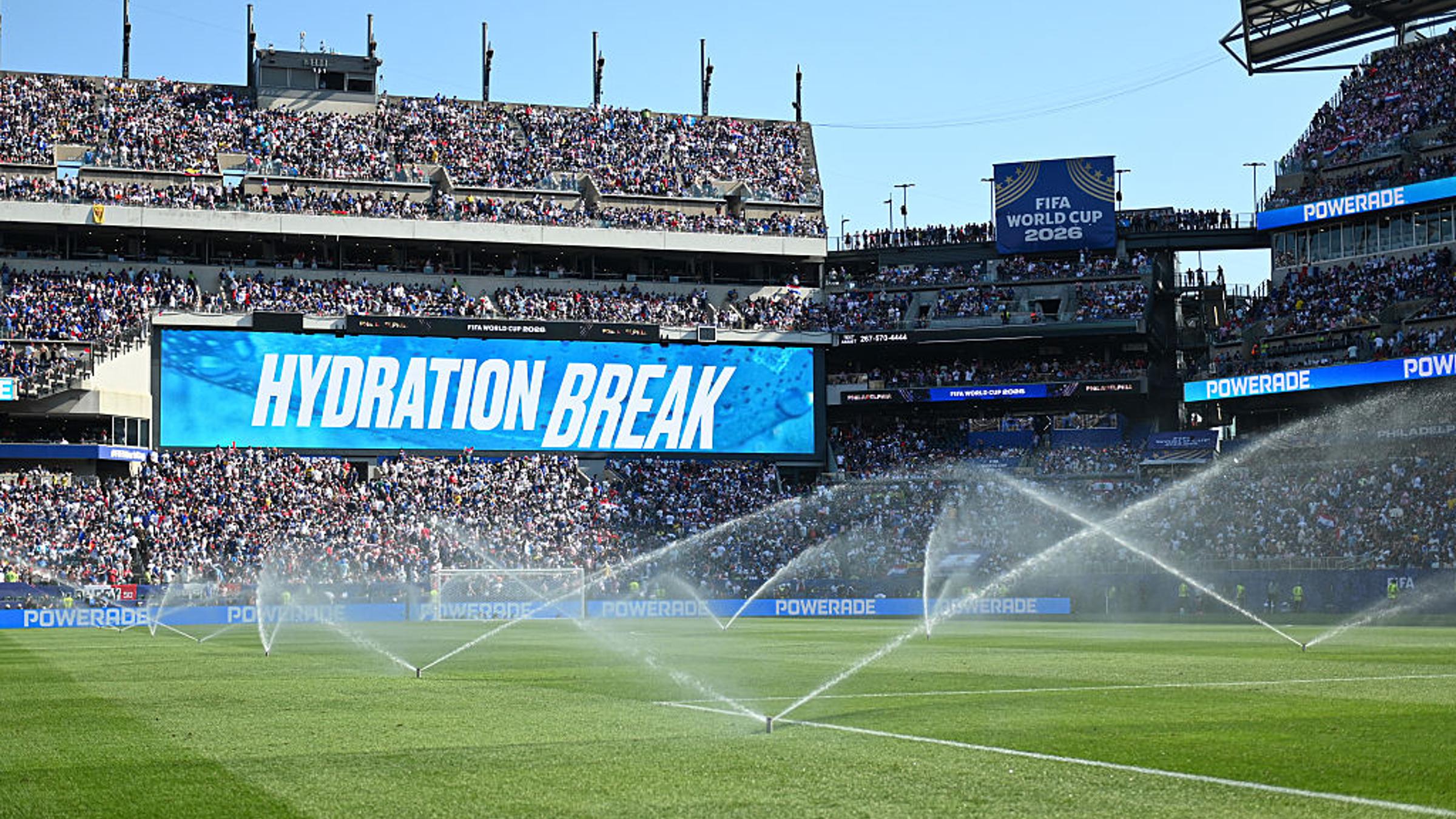
FIFA will review its controversial hydration break policy after the 2026 World Cup, according to Kansas and Sacramento Bee. Arsène Wenger, FIFA's head of global football development, acknowledged the mixed reaction from fans, coaches, and broadcasters after three-minute breaks were inserted into every half of every match played across North America this summer.
The breaks were designed to protect players from heat. But they sparked a fierce debate about whether they helped athletes — or just helped broadcasters sell ads.
Bielsa and Coaches Slam Breaks as Football Killer
Uruguay manager Marcelo Bielsa was among the harshest critics. He called the hydration breaks a "destroyer of football's cultural essence," according to San Luis Obispo. Several other coaches agreed, arguing the breaks killed momentum and opened the door for tactical resets that changed the nature of the game.
Some observers said the breaks effectively split matches into a four-quarter format — more like American football than soccer. That shift, critics argued, was never the original intent of the rule.
Ad Revenue Fuels Suspicion Over FIFA's Real Motives
A major source of anger was the money involved. During U.S. matches and knockout-stage games, a single 30-second ad slot during a hydration break cost as much as $750,000, according to Macon. Standard slots ran between $200,000 and $300,000. Critics said the breaks served commercial interests far more than player safety.
FIFA has not directly addressed the advertising revenue question. But the timing of breaks — and who profited from them — remained a central part of the backlash throughout the tournament.
Breaks Happened Even When It Was Not Hot
One of the sharpest criticisms came from how the breaks were applied. Matches were stopped for hydration even when temperatures posed no clear risk. One game was played at just 16°C — well below any standard heat threshold — yet the break was still mandated, according to Idaho Statesman.
Wenger admitted the medical data on performance benefits was inconclusive. He said FIFA would draw firm conclusions only after the tournament ended and all data was reviewed.
FIFA's New Medical Rule Did Cut On-Field Injuries
Not all of FIFA's new rules drew criticism. Alongside the hydration breaks, FIFA introduced a policy requiring injured players to leave the pitch for one minute before returning to action. FIFA says the rule reduced overall medical interventions during the World Cup, according to San Luis Obispo.
That change was broadly accepted. It is the hydration break — fixed, commercially loaded, and applied regardless of conditions — that remains under fire. Wenger signaled a deeper post-tournament analysis is coming, but stopped short of promising the breaks would be scrapped.
Sentiment
Mostly NegativeNEGATIVENEUTRALPOSITIVE
Publishers
15
Articles
62
Reach
77
A
AnonymousAuthor


