Major Counter-UAS Contract
AeroVironment Secures $500 Million Domestic Shield Contract to Boost US Counter-Drone Capabilities
Anonymous
Key Points
1
The $500 million three-year IDIQ award is sole-source and covers a broad suite of Counter-UAS and Counter-Small UAS capabilities for the Department of War under the Domestic Shield program to protect critical infrastructure and domestic installations, with the award announced on July 1.
2
The $80.5 million Titan MS purchase order under the same IDIQ is specifically to bolster the Air Force Global Strike Command’s layered base defense against small UAS threats, highlighting Titan MS's role in integrated defense.
3
In the latest quarter, Titan system deployments included 118 Titan 4 units and 400 Titan-SV units delivered globally, with Titan operational in 17 countries and three new international customers fielding the system this quarter.
4
Col. Jason Idleman of JIATF-401 emphasized that the program strengthens warfighter and installation protection by enabling detection, tracking, and defense against illicit drones, underscoring the strategic importance of Domestic Shield.
5
Wahid Nawabi, AeroVironment's chairman and CEO, stated that counter-UAS is no longer a future requirement but the defining operational imperative of modern defense, signaling a firm emphasis on UAS defense capabilities.
AeroVironment has landed a $500 million, three-year sole-source contract to protect U.S. military bases and critical infrastructure from drone threats, according to GuruFocus. The award, announced July 1, comes from Joint Interagency Task Force 401 under a program called Domestic Shield.
On the same day, the company won a separate $80.5 million order under that same contract to supply its Titan MS system to the Air Force Global Strike Command, MarketScreener reported. The back-to-back wins cement AeroVironment as the go-to supplier for counter-drone defense across U.S. and allied forces.
What the $500 Million Domestic Shield Contract Covers
The $500 million IDIQ contract runs three years. IDIQ stands for Indefinite Delivery, Indefinite Quantity — a deal that sets a ceiling but lets the government place orders as needs arise. AeroVironment will supply a full suite of counter-drone tools, according to GuruFocus. The goal is to detect, track, and stop illegal drones from reaching high-priority sites.
Col. Jason Idleman of JIATF-401 said the program "strengthens warfighter and installation protection" by enabling real-time defense against illicit drones. The contract covers both Counter-UAS and Counter-Small UAS capabilities — two layers of defense meant to handle different drone sizes and threat levels.
Titan MS Order Targets Air Force Nuclear Bases
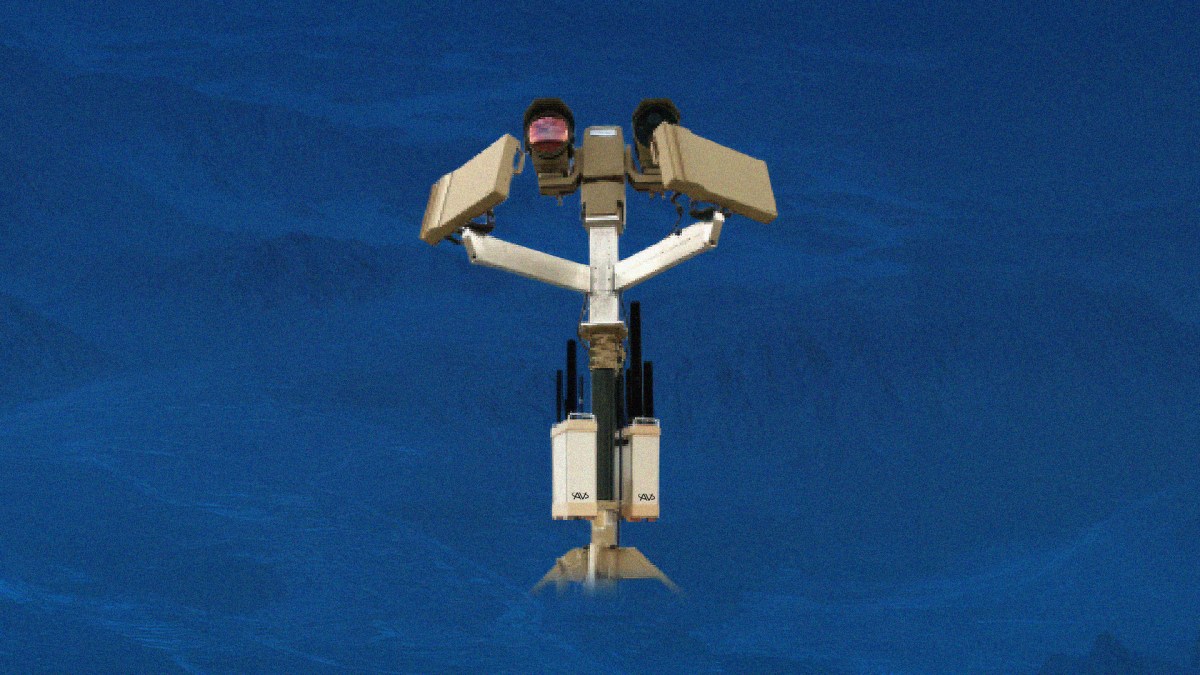
The $80.5 million Titan MS purchase order goes directly to the Air Force Global Strike Command, which oversees the U.S. nuclear bomber and missile fleet. Protecting those bases from small drones is now a top priority, MarketScreener reported. The Titan MS is a multi-sensor system that layers radar, cameras, and radio detection into one package.
AeroVironment delivered 118 Titan 4 units and 400 Titan-SV units in its latest quarter alone. The system is now active in 17 countries, and three new international customers began fielding it this quarter, according to GuruFocus. That global footprint gives the Titan line a strong track record that few competitors can match.
CEO Says Counter-Drone Defense Is Now a Must-Have
AeroVironment chairman and CEO Wahid Nawabi did not mince words. He said counter-UAS is "no longer a future requirement" but "the defining operational imperative of modern defense." That shift in tone reflects how fast drone threats have grown — from a niche concern to a front-line problem for every major military.
The drone threat is no longer limited to overseas battlefields. Domestic installations face rising risk from cheap, commercially available drones. The Domestic Shield program is a direct response to that reality. With $580.5 million in new awards in a single day, AeroVironment is clearly positioned to lead that market.
AeroVironment's Growing Role in U.S. Defense Contracts
The Domestic Shield wins are not a one-off. AeroVironment has been building its counter-drone portfolio for years. Titan products are already integrated into multiple defense programs across U.S. services, GuruFocus noted. The company is now a benchmark supplier — the standard other vendors are measured against.
The sole-source nature of the $500 million award is significant. It means the government did not open the contract to competing bids. That signals a high level of trust in AeroVironment's technology and delivery record. For investors and rivals alike, these back-to-back awards send a clear message about who owns this market.
Sentiment
Mostly PositiveNEGATIVENEUTRALPOSITIVE
Publishers
11
Articles
21
Reach
32
A
AnonymousAuthor


