Aviation Safety Investigation
ATSB Launches Investigation After Fourth Near-Miss Incident Involving Qantas at Sydney Airport
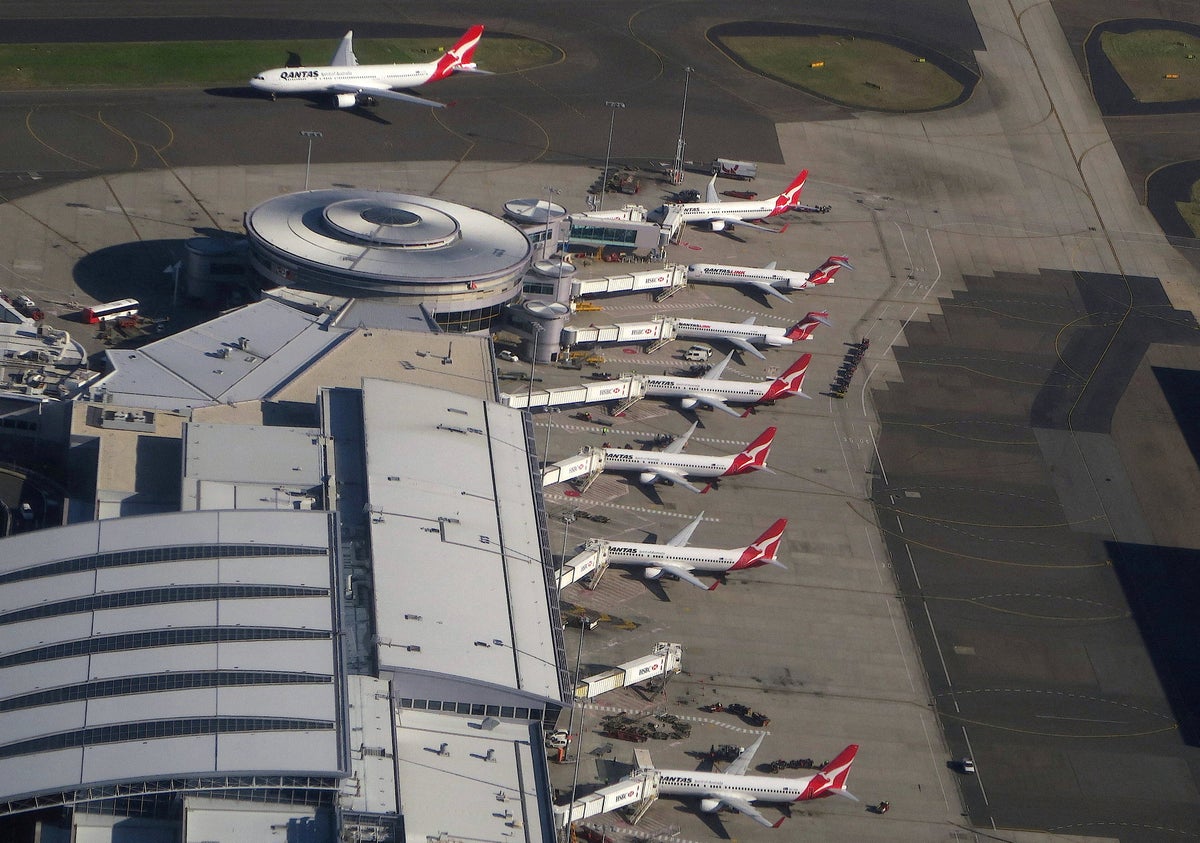
Key Points
This week marked the fourth near-miss at Sydney Airport within about a month, part of a broader pattern that includes an Aug. 9 runway-incursion/rejected-takeoff involving Virgin Australia VA555 and Qantas QF728, and a July 27 near-miss between a Canberra QantasLink flight and a Queenstown taxiing 737.
The August 9 near-miss saw a Qantas Airbus A321 preparing to depart for the Gold Coast come close to a Qantas Boeing 737 that had arrived from Melbourne; both flights had clearance to turn and the A321 stopped as the Boeing passed, with no immediate collision risk.
On Tuesday, authorities described a near-miss where a Boeing 737 was moving west along taxiway Lima with clearance to turn right, while an A321 was taxiing south along taxiway Charlie with clearance to turn onto Lima; the A321 crew braked as the Boeing passed, again with no immediate collision risk.
Airservices Australia said it was slowing departures to avoid overcrowding due to a shortage of air traffic controllers, reflecting staffing pressures affecting Sydney Airport operations.
The ATSB is collecting evidence for the probe, including interviews with air traffic controllers and flight crews and reviewing available data and other relevant information.
Australia's transport safety regulator has launched an investigation into a fourth near-miss incident at Sydney Airport within a month, highlighting growing concerns about air traffic control operations The Independent. In the latest episode this week, a Qantas Airbus A321 preparing to depart for the Gold Coast braked as a Boeing 737 arriving from Melbourne passed nearby, with both aircraft cleared by air traffic control and no collision occurring Yahoo News. The incidents coincide with staff shortages that have forced Airservices Australia to slow departures to prevent overcrowding.
String of close calls prompts safety review
Four near-miss events have occurred at Sydney Airport over roughly four weeks. An August 9 incident involved a Qantas A321 preparing to depart coming close to a Boeing 737 that had just arrived. Both aircraft had received clearance from air traffic control. The A321 crew braked as the 737 passed by, preventing any collision risk The Independent.
Earlier incidents included a July 27 near-miss between a Canberra QantasLink flight and a taxiing Boeing 737, and a runway-incursion event involving Virgin Australia flight VA555 and Qantas flight QF728 Yahoo News. The ATSB has classified the incidents as serious incidents rather than accidents, since no collision occurred. Investigators are now collecting evidence, interviewing air traffic controllers and flight crews, and reviewing all available data.
Air traffic control staffing shortages slow operations
Airservices Australia has acknowledged that a shortage of air traffic controllers is affecting Sydney Airport's capacity. The agency is deliberately slowing departures to avoid taxiway overcrowding The Independent. This reduction in flight operations is intended to give controllers more time to manage aircraft movements safely.
The staffing pressures come at a critical time for the airport, which is one of Australia's busiest aviation hubs. Fewer controllers means less margin for error when coordinating takeoffs, landings, and taxiway movements. Both Qantas and Airservices Australia have committed to cooperating fully with ATSB investigations Yahoo News.
Safety systems and quick pilot actions prevented collisions
In each incident, multiple safety layers prevented actual impact. Air traffic control clearances were given, but flight crews remained alert and braked or took evasive action when needed The Independent. Pilots detected the risk and responded quickly enough to create safe separation between aircraft.
Both airlines and authorities emphasize that existing safety procedures worked as intended. The ATSB stresses these events are being treated as isolated cases for now. However, the cluster of incidents within one month suggests the need for closer scrutiny of operations during periods of staffing constraints Yahoo News.
Sentiment
Mostly NegativePublishers
12
Articles
22
Reach
34


