Obesity Drug Competition Heats Up
Novo Nordisk Tests Lower Wegovy Doses Amid Rivalry for Obesity Market Lead
Key Points
The trial will enroll 450 adults (18+) with a BMI of 30 or higher, or 27 or higher with a weight-related condition, and will exclude participants with diabetes or those currently taking GLP-1 weight‑loss medications.
In addition to weight loss, the study will measure secondary endpoints including how many participants lose at least 5%, 10% or 15% of body weight, along with waist measurements and other health metrics, and will track side effects.
In the United States, more than two‑thirds of Wegovy users are already taking one of the two lower-dose regimens, and those doses cost roughly half the price of higher-dose options for self-pay patients.
Novo Nordisk is under competitive pressure as Wegovy’s commercial profile remains strong, with second‑quarter sales reaching about 3.22 billion Danish crowns, underscoring the incentive to defend market leadership in obesity drugs against Eli Lilly.
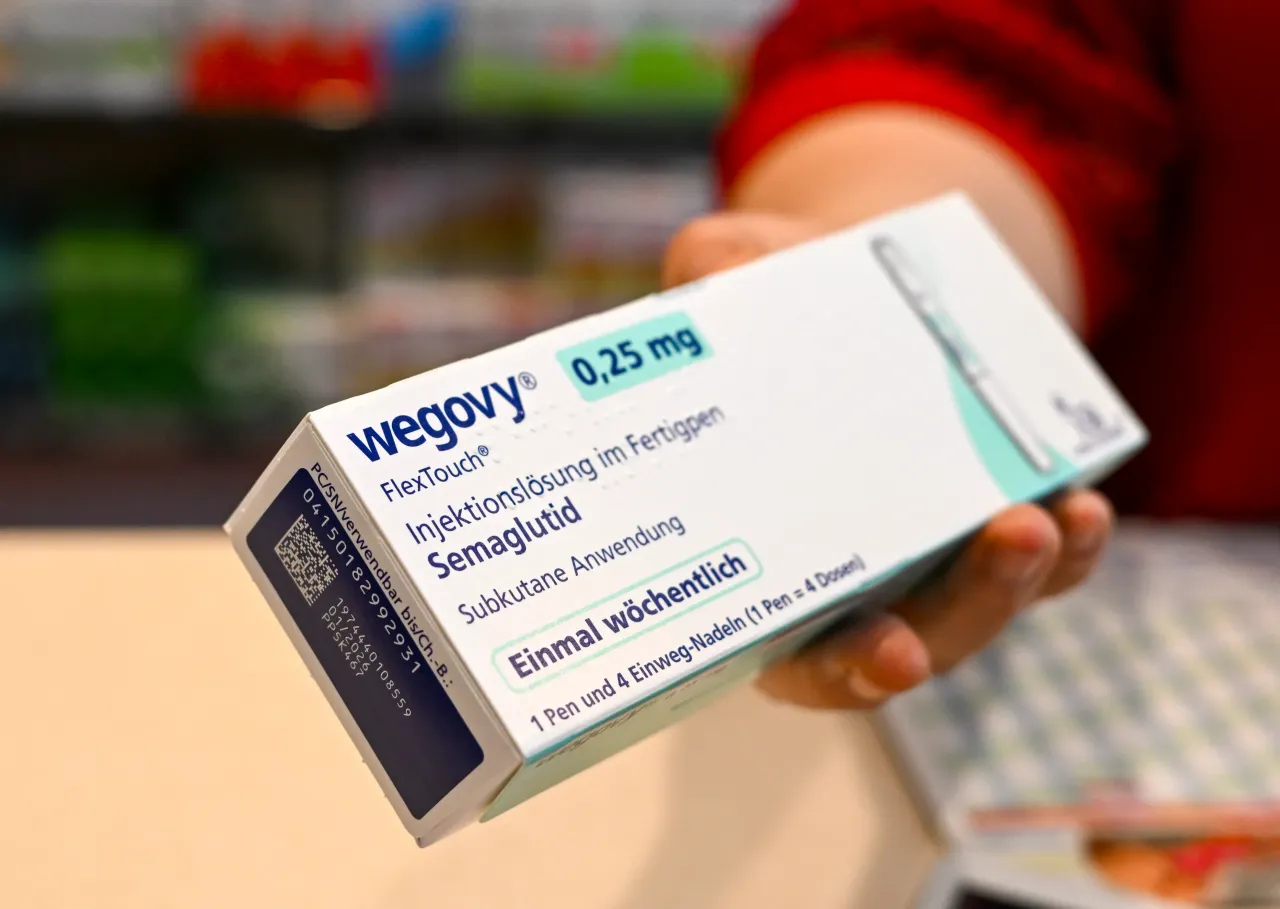
Novo Nordisk has launched a late-stage clinical trial to find the lowest effective dose of its blockbuster obesity pill Wegovy, according to Reuters. The 450-person study began on August 12 and will run through 2028, testing two lower doses against a placebo over 60 weeks.
The move comes as the obesity drug market races toward a projected $100 billion annual value by 2030. Novo faces growing pressure from rival Eli Lilly, making the trial a strategic bid to defend its leading position, Reuters reported.
What the Trial Is Testing and Why It Matters
The study compares Wegovy doses of 1.5 mg and 4 mg against a placebo. Wegovy is already approved in those doses, plus 9 mg and a long-term 25 mg dose, according to Reuters. Novo wants to know: how low can you go and still get meaningful weight loss?
Participants must be 18 or older with a BMI of 30 or higher — or 27 or higher with a weight-related condition. The trial excludes people with diabetes or those already on GLP-1 weight-loss drugs, Stocktwits noted.
More Than Two-Thirds of U.S. Patients Already Use Lower Doses
The trial has a clear commercial angle. In the United States, more than two-thirds of Wegovy users are already taking one of the two lower-dose regimens being tested, according to Market Screener. That is a huge share of Novo's existing customer base.
Cost is a big reason. The lower doses cost roughly half as much as higher-dose options for patients who pay out of pocket. Proving those doses work well enough could help more patients afford treatment — and help Novo hold onto them.
What Counts as Success: The Trial's Key Measurements
Weight loss is the main goal, but the trial tracks much more. Researchers will measure how many participants lose at least 5%, 10%, or 15% of their body weight, Stocktwits reported. They will also track waist size and other health metrics.
Side effects will be closely watched too. Lower doses often mean fewer side effects like nausea and vomiting — a key selling point if Novo can show the results are still strong. The trial runs for 60 weeks, with full results not expected until 2028.
Wegovy Sales Stay Strong as Lilly Competition Heats Up
Novo posted Wegovy second-quarter sales of about 3.22 billion Danish crowns, showing the drug's commercial strength remains solid. But Eli Lilly's competing obesity drugs are gaining ground fast, raising the stakes for every strategic decision Novo makes.
Finding the lowest dose that still works could reshape pricing, expand patient access, and give Novo a new edge in a market that has never been more competitive. The trial's outcome, according to MedWatch, could influence how doctors prescribe Wegovy for years to come.
Sentiment
Mostly PositivePublishers
12
Articles
96
Reach
108


