Unexplained Trade Dismissal
South Korea Dismisses Top Trade Negotiator Yeo Han-koo Amid Escalating U.S. Tariff Disputes
Key Points
Yeo Han-koo was removed from his post through an administrative measure that unilaterally strips him of the position, with the government not disclosing a specific reason; the ministry said personnel decisions by the appointing authority are to be kept private and efforts are being made to prevent disruption to trade issues.
Prior to the dismissal, Yeo traveled to Washington and held talks with U.S. trade officials and lawmakers as part of ongoing tariff-related discussions with the United States.
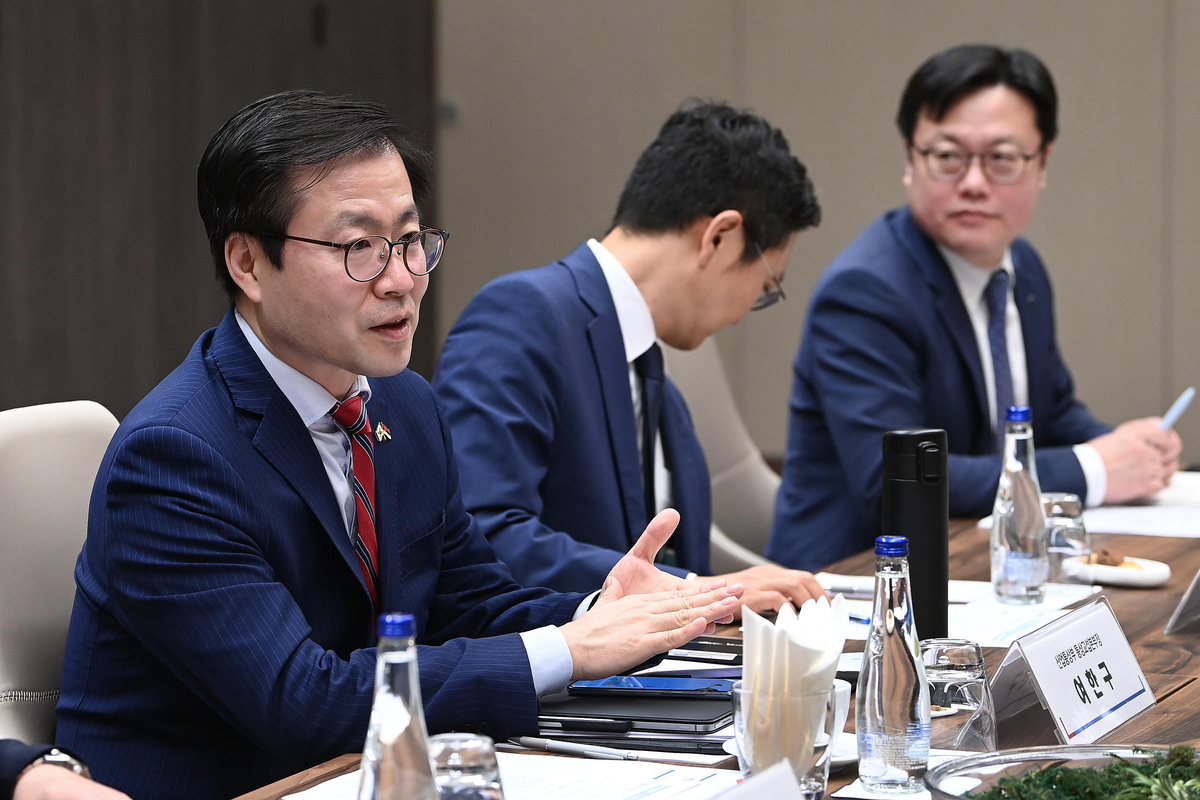
Yeo participated in an emergency economic headquarters meeting with economy-related ministers at the Government Complex Seoul on Aug. 13, underscoring heightened coordination in response to U.S. pressure over investment pledges and tariff issues.
Seoul is actively considering membership in the CPTPP, with discussions and a review of potential accession underway as part of broader trade diplomacy.
In a related development, the current president, Donald Trump, signed a proclamation imposing new tariffs on drones and their components, including a 15% levy on imports from South Korea, reflecting ongoing U.S. protectionist actions affecting Korea-U.S. trade tensions.
South Korea abruptly dismissed its top trade negotiator, Yeo Han-koo, effective midnight Friday — with no official explanation given. The move stunned analysts because it came in the middle of active negotiations with the United States over nearly $200 billion in investment pledges and unresolved tariff disputes, according to Korea JoongAng Daily and The Korea Herald.
The Ministry of Trade, Industry and Energy said only that personnel decisions by the appointing authority are kept private, and that steps are being taken to prevent disruption to ongoing trade talks. But the timing — mid-negotiation — raised immediate red flags, Seoul Economic Daily reported.
A Sudden Exit With No Explanation Given
President Lee Jae-myung removed Yeo through an administrative order that unilaterally strips a person of their post. This tool bypasses the normal dismissal process. Yeo had only been back in the role since May 2025, according to Korea JoongAng Daily. He previously helped broker the Korea–U.S. free trade agreement and led responses to EU steel measures.
Just days before his dismissal, Yeo traveled to Washington and met with U.S. trade officials and lawmakers. He also took part in an emergency economic meeting with senior ministers at the Government Complex Seoul on August 13. The dismissal came with no warning, Seoul Economic Daily reported, and the ministry warned against speculation about the reasons.
U.S. Pressure Mounts Over Investment and Tariffs
Seoul is under heavy pressure from Washington on several fronts. South Korea pledged nearly $200 billion in U.S.-bound investment, and American officials have been pushing hard on the details. On top of that, the U.S. has taken regulatory actions against Coupang, a U.S.-listed Korean e-commerce company, according to Korea JoongAng Daily.
President Trump also recently signed a proclamation placing a 15% tariff on drone imports from South Korea, part of broader U.S. protectionist moves. South Korea's presidential office has convened multiple ministries to respond to these pressures, The Korea Herald reported. A leadership change at this moment could slow or shift the direction of those talks.
CPTPP Talks Add Another Layer of Complexity
Seoul is also weighing whether to join the CPTPP — a major Asia-Pacific trade bloc that does not include the United States. South Korea has been reviewing potential accession as part of a broader effort to diversify its trade relationships, according to Korea JoongAng Daily. Joining could give Seoul more leverage but might also irritate Washington.
Managing both a possible CPTPP bid and active U.S. tariff talks at the same time is a delicate balancing act. Losing an experienced negotiator like Yeo in the middle of all this makes that balance harder to hold. Analysts called the timing of the dismissal highly unusual, BigGo Finance noted.
What Comes Next for Korea–U.S. Trade Talks
The Ministry of Trade, Industry and Energy said it is working to ensure trade issues continue without disruption. But with so many live issues — the $200 billion investment pledge, Section 301 trade measures, the Coupang case, and new drone tariffs — the loss of a seasoned lead negotiator is a real setback, Seoul Economic Daily reported.
No successor has been publicly named. South Korea must now find someone to step into one of the most complex trade situations it has faced in years. The presidential office and economy ministries remain in close coordination as Seoul tries to manage the fallout, according to The Korea Herald.
Sentiment
Mostly NegativePublishers
15
Articles
20
Reach
35


