Seeking Korean Peace
South Korea Calls for Formal Talks to End Korean War, Pursue Peace Regime
Key Points
North Korea is reportedly receiving Russian support—financial aid, food, energy, and military technology—in exchange for supplying troops and ammunition to Russia for its war in Ukraine.
Two North Korean missiles were fired in two weeks in response to Japan's pledge to bolster its defense capabilities, signaling Pyongyang's sensitivity to Tokyo's military buildup.
Lee Jae Myung, who took office in June 2025, has pursued a more conciliatory, unconditional approach toward Pyongyang by offering talks without preconditions and stressing peaceful coexistence.
Kim Jong Un has abandoned the North’s reunification policy and branded South Korea as its most hostile state, ordering stronger frontline defenses.
Lee signaled a long-term, forward-looking relationship with Japan, including prospects for 60 years of peace and prosperity with Tokyo as a close neighbour.
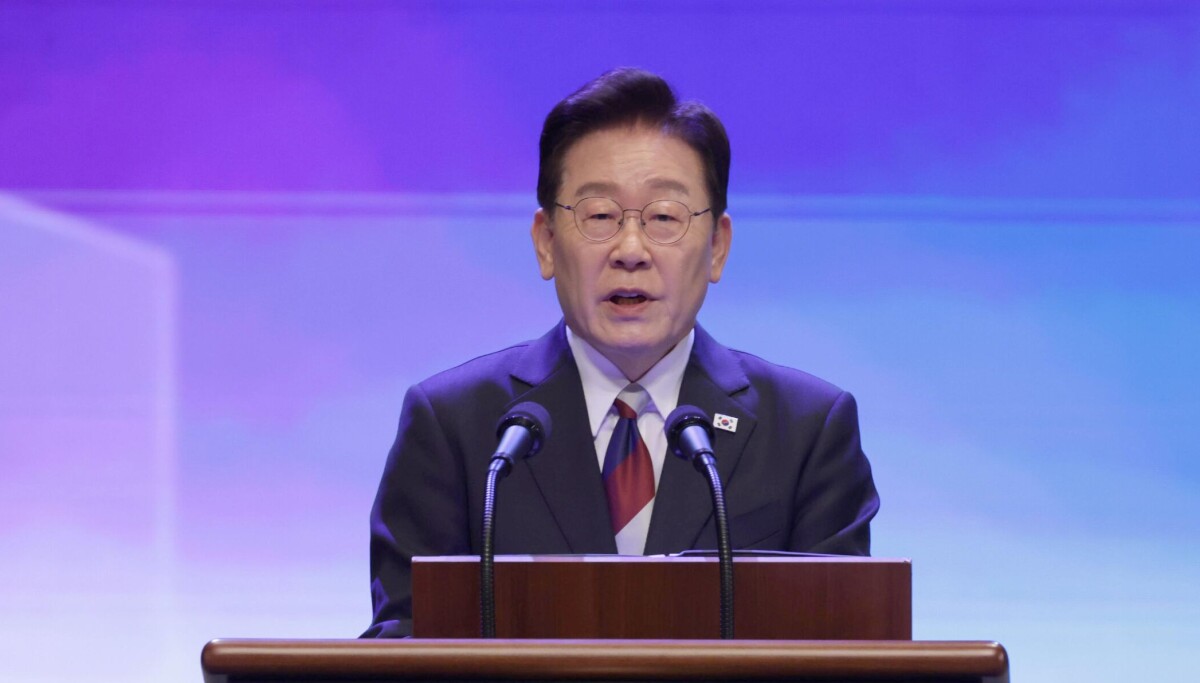
South Korean President Lee Jae-myung called on North Korea to begin formal talks to end the Korean War, which has technically continued under an armistice since 1953. Speaking at a Liberation Day address, Lee offered negotiations without preconditions, aiming to replace the ceasefire deal with a full peace regime, according to Korea JoongAng Daily.
The proposal comes as North Korea declares itself an "irreversible" nuclear state and deepens its military partnership with Russia. Pyongyang has repeatedly rejected similar offers from Seoul, and analysts say the path to any deal remains extremely difficult, Al Jazeera reported.
Lee's Peace Offer: No Conditions, No Delay
President Lee, who took office in June 2025, is taking a sharply different approach than his predecessors. He offered talks with Pyongyang without any preconditions. He also signaled pre-emptive steps to reduce friction — meaning Seoul may act first to ease tensions rather than waiting for North Korea to move, according to 24 News HD.
Lee called for safeguards to prevent escalation and mechanisms to curb North Korea's nuclear advances. He framed the push as a direct effort to end a war that has lasted more than 70 years. He also urged the United States and China to join the process, Korea JoongAng Daily reported.
North Korea's Nuclear Stance Hardens the Path Forward
Kim Jong Un has abandoned North Korea's longtime goal of reunification with the South. He now labels South Korea its "most hostile state" and has ordered stronger frontline defenses. North Korea also declared itself a permanent nuclear power, a status it says is non-negotiable, according to South China Morning Post.
That declaration makes any deal on nuclear curbs far more complicated. North Korea insists its weapons program is a done deal. Pyongyang has also denounced joint US–South Korea military drills as provocations, using them as a reason to avoid talks, Rato Pati reported.
Russia Ties and Missile Tests Raise Regional Stakes
North Korea is receiving Russian financial aid, food, energy, and military technology. In return, Pyongyang has sent troops and ammunition to support Russia's war in Ukraine. This partnership gives Kim Jong Un stronger backing and a better bargaining position in any future talks, according to 24 News HD.
North Korea also fired two missiles in two weeks after Japan pledged to boost its own defense capabilities. The launches signal how sensitive Pyongyang is to military moves by its neighbors. Japan's buildup, combined with US–South Korea drills, has raised tension across the region, Al Jazeera reported.
Seoul Looks to Japan as Northeast Asia Shifts
Alongside the North Korea push, Lee signaled a warmer relationship with Japan. He pointed to cooperation on supply chains and energy as early wins, and spoke of "60 years of peace and prosperity" with Tokyo as a close neighbor. The language marks a notable thaw between the two countries, according to Korea JoongAng Daily.
Seoul views stronger ties with Tokyo as part of a broader effort to stabilize Northeast Asia. But analysts warn that progress on the Korean Peninsula depends heavily on Pyongyang's willingness to engage — and right now, that willingness appears very low, South China Morning Post reported.
Sentiment
Mostly NegativePublishers
57
Articles
151
Reach
208


