MLB Cap Dispute
MLB Players Oppose Salary Cap Ahead of 2027 Season, Threatening Stoppage
Anonymous
Key Points
1
Paul Skenes sits on the union's eight-man negotiating committee, signaling a leadership role in bargaining.
2
The cap proposal includes a pre-arbitration bonus pool in addition to a $20.1 million benefits pool, expanding the components of MLB's spending cap.
3
The payroll floor of $171.2 million would force some teams to spend more to meet the floor, impacting competitive balance.
4
MLB has not yet proposed how to phase in a cap, a missing piece that concerns clubs like the Dodgers.
5
Soto reacted to the cap with the remark 'Yeah, that sucks' as part of his response to MLB's proposal.
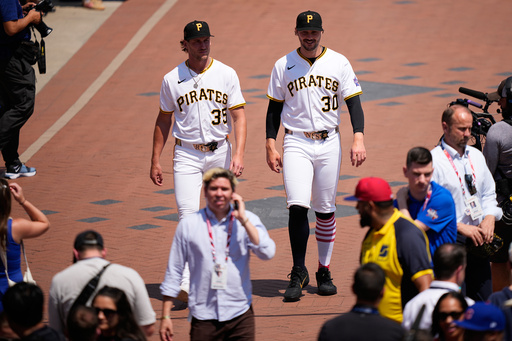
MLB's top stars are pushing back hard against the league's proposed salary cap, and they say no deal is coming easy. Paul Skenes, Juan Soto, and Bryce Harper all spoke out against the plan, according to Lima Ohio. The current five-year labor deal expires December 1, and a work stoppage could shorten the 2027 season.
MLB's proposal would cap 2027 team spending at $245.3 million. That number includes a $20.1 million benefits pool and a pre-arbitration bonus pool. The league would also set a payroll floor of $171.2 million, forcing lower-spending teams to spend more, World Baseball Network reported.
Players Call the Cap Proposal a Non-Starter
Juan Soto did not mince words. When asked about the cap proposal, he said, 'Yeah, that sucks,' and added the cap 'shouldn't be there.' Mike Trout noted the proposal seems designed to cut years and total money from player contracts. These are not small concerns — they go to the heart of how players earn over their careers, according to Times Gazette.
Bryce Harper framed the fight in historic terms. He stressed the importance of resisting the cap, calling it a defining moment for the union. Paul Skenes, who sits on the union's eight-man negotiating committee, said talks will likely be long and hard. His seat at the table signals the players are taking this seriously from the start, Observer Reporter noted.
The Dodgers Problem: $415 Million vs. a $245 Million Cap
The gap between MLB's cap and current big-market spending is enormous. The Los Angeles Dodgers are projected to carry an opening-day payroll of around $415.2 million in 2027. MLB's proposed cap sits at $245.3 million. That is a difference of roughly $170 million — a cut that would reshape the roster of baseball's biggest spender overnight.
MLB has not yet explained how it would phase in the cap. That missing piece worries teams like the Dodgers most. Without a clear phase-in plan, clubs and players cannot judge the real cost of agreeing to a cap, according to World Baseball Network.
A Critical Window Before Opening Day 2027
The labor deal expires December 1. After that, a lockout becomes possible. The window that matters most runs from late February to March — that stretch could decide whether Opening Day happens on time. Both sides know what is at stake. The 1994–95 strike lasted about 7.5 months and wiped out the entire World Series, the first cancellation since 1904, according to Times News.
Players and owners still have months to reach a deal. Skenes and others say there is time. But the gap is wide. The union wants to protect long-term salaries and competitive balance. MLB wants a spending cap to close payroll gaps across teams. Neither side has moved toward the middle yet.
Payroll Floor Could Force Small Markets to Spend More
MLB's plan also includes a payroll floor of $171.2 million. That would require every team to spend at least that much. Several small-market clubs currently spend well below that level. The floor is meant to boost competitive balance. But teams on tight budgets may struggle to hit the mark without adding players they may not want, Observer Reporter reported.
The pre-arbitration bonus pool adds another layer to the proposal. It would direct money to younger players before they reach arbitration eligibility. In theory, this helps early-career players earn more. In practice, players and the union are still weighing whether these additions make the overall cap framework worth accepting.
Sentiment
Mostly NegativeNEGATIVENEUTRALPOSITIVE
Publishers
11
Articles
87
Reach
98
A
AnonymousAuthor


