Iran-U.S. Conflict
Iran Accuses U.S. of Major MOU Violations Amid Hormuz Tensions, Warns of Retaliation
Anonymous
Key Points
1
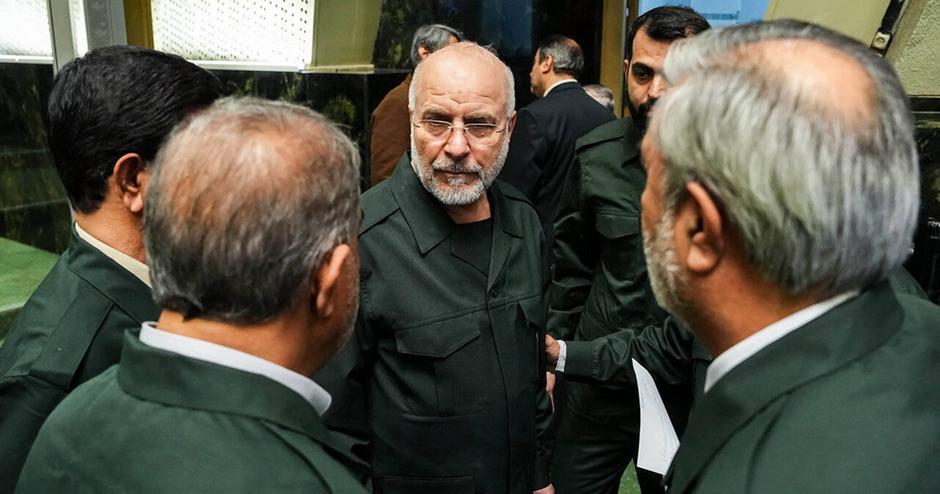
Ghalibaf publicly posted a list of 'major MOU violations' by the United States, including 'Violating Iranian adjustments in the Strait', 'Persistent threats of further strikes', and 'Reinstating oil sanctions', accompanied by the line: 'The era of bullying and extortion is over. It leads nowhere. We don’t fold.'
2
Iranian military officials claimed US airstrikes targeted parts of Southern Iran in 'blatant aggression' and warned of a 'crushing response', reinforcing Tehran's stance that Hormuz navigation remains controlled by Iran and that the 'Only safe route for commercial ships, oil tankers in the Hormuz is one set by Iran.'
3
Power outages in Bahrain and Kuwait were officially attributed to debris from air defense interceptions, but observers cited potential sabotage amid ongoing regional hostilities; mediating efforts and diplomacy, including involvement from Oman’s Foreign Ministry, were highlighted as potential inflection points.
4
Nikki Haley argued the MOU is 'going in the wrong direction' and noted Washington has not committed to the agreement, contending that it allows Iran to maintain its nuclear program; her stance reflects demands for stricter terms and underscores concerns about reconstruction funding within a final deal.
The U.S.–Iran ceasefire has effectively collapsed. U.S. Central Command struck more than 80 targets across southern Iran on July 8, 2026, and President Trump declared the Islamabad Memorandum of Understanding "over" at the NATO Summit in Ankara TASS. Iran's parliament speaker and top negotiator Mohammad Bagher Ghalibaf fired back on social media: "The era of bullying and extortion is over. It leads nowhere. We don't fold" IranWire.
Within hours of the U.S. airstrikes, Iran's Revolutionary Guard launched 85 missiles and drones at U.S. bases in Bahrain and Kuwait. Oil prices surged more than 6% as markets absorbed the news. Nearly 6,000 seafarers remain stranded in the Gulf as shipping lanes shut down Albeu.
How a Transit Fee Dispute Blew Up the Ceasefire
The Islamabad MoU was signed June 17, 2026, ending a four-month war. It gave Iran a temporary oil sanctions waiver and required Tehran to reopen the Strait of Hormuz. But friction started almost immediately. Iran insisted it still controlled the Strait for at least 30 days post-signing and proposed a transit fee of up to $2 million per ship voyage IranWire.
On July 6–7, three commercial ships using an Oman-proposed bypass route were struck by drones and projectiles. The U.S. blamed Iran. Washington then revoked Iran's oil waiver, citing a direct breach of the maritime deal. Deputy Foreign Minister Kazem Gharibabadi called the revocation a "blatant violation of Article 10" of the MoU TASS.
CENTCOM Strikes 80 Targets; IRGC Fires Back at Gulf Bases
U.S. CENTCOM hit more than 80 distinct targets overnight, including air defenses, coastal radar sites, and over 60 Revolutionary Guard fast boats near Sirik, Bandar Abbas, Qeshm Island, and Bushehr Albeu. Iran's military called the strikes "blatant aggression" and warned of a "crushing response."
The IRGC retaliated within hours, firing 85 missiles and drones at U.S. installations at Port Salman in Bahrain and Ali Al Salem Air Base in Kuwait. Kuwaiti air defenses intercepted 2 ballistic missiles and 13 drones. Falling shrapnel cut power lines, triggering blackouts in both countries IranWire.
Iran Claims Hormuz Is Theirs; Ghalibaf Lists U.S. Violations
Ghalibaf posted a formal list of what he called "major MOU violations" by Washington. The three charges: violating Iranian navigation rules in the Strait, persistent threats of further strikes, and reinstating oil sanctions IranWire. Iranian military officials reinforced his position, stating that the "only safe route for commercial ships and oil tankers in the Hormuz is one set by Iran."
Iran's foreign ministry said Tehran remains committed to the MoU despite U.S. actions. Gharibabadi warned the government would take "decisive actions to safeguard its national interests." Oman's Foreign Ministry has stepped in as a potential mediator, offering its coastline as an alternative shipping corridor and pushing both sides toward dialogue TASS.
$300 Billion Reconstruction Fund and Nuclear Deal Now in Doubt
The collapse of the ceasefire has put a proposed $300 billion Iran Reconstruction Fund at serious risk. Prediction markets and financial analysts have sharply cut the odds of a final treaty Real Clear Defense. Former U.S. Ambassador Nikki Haley said on CNBC that the MoU is "going in the wrong direction," arguing it lets Iran keep its nuclear program intact and that Washington should push for full dismantlement.
China urged both sides to show "maximum restraint," saying "military means cannot solve the fundamental issue." The Gulf Cooperation Council condemned Iran's strikes on Kuwait and Bahrain as a "blatant aggression." Qatar, whose LNG tanker Al Rekayyat was struck in the Strait, called the attack "unacceptable" but urged all parties to return to diplomacy IranWire.
Sentiment
Mostly NegativeNEGATIVENEUTRALPOSITIVE
Publishers
32
Articles
17
Reach
49
A
AnonymousAuthor


