Toyota's Texas Boost
Toyota Invests $3.6 Billion in San Antonio Plant, Moving Tacoma Production and Creating 2,000 Jobs
Key Points
San Antonio's incentives package totals about $303 million in tax abatements, grants and refunds, plus infrastructure support from CPS Energy and SAWS; public officials warn the ten-year abatement could cost more than $150,000 in lost revenue per job created.
Toyota’s North American operation has faced a significant tariff-related hit, posting roughly a $9 billion negative impact to operating income in the year ending March 2026.
Mexico counter-moves include a government announcement of more than $500 million in new carmaking investments by another company, with President Claudia Sheinbaum framing Toyota’s shift as a broader global restructuring rather than tariff-driven.
The San Antonio expansion will add about 2.5 million square feet to the campus and a second assembly line, increasing capacity by roughly 150,000 vehicles and allowing Tacomas to be built on-site alongside the Tundra and Sequoia (while Tacomas continue to be produced in Guanajuato and elsewhere in Mexico).
Toyota announced a $3.6 billion expansion of its San Antonio manufacturing plant, shifting Tacoma pickup production from Baja California, Mexico to Texas over roughly four years, according to Market Screener. The move will add a second assembly line and about 2.5 million square feet to the campus, pushing annual capacity to around 350,000 vehicles and creating roughly 2,000 jobs by 2030.
Toyota framed the decision around workforce strength and long-term growth — not tariffs — even as the company posted a roughly $9 billion hit to operating income from U.S. trade policy in the year ending March 2026, per Market Screener.
Tacoma Moves From Tijuana to Texas Over Four Years
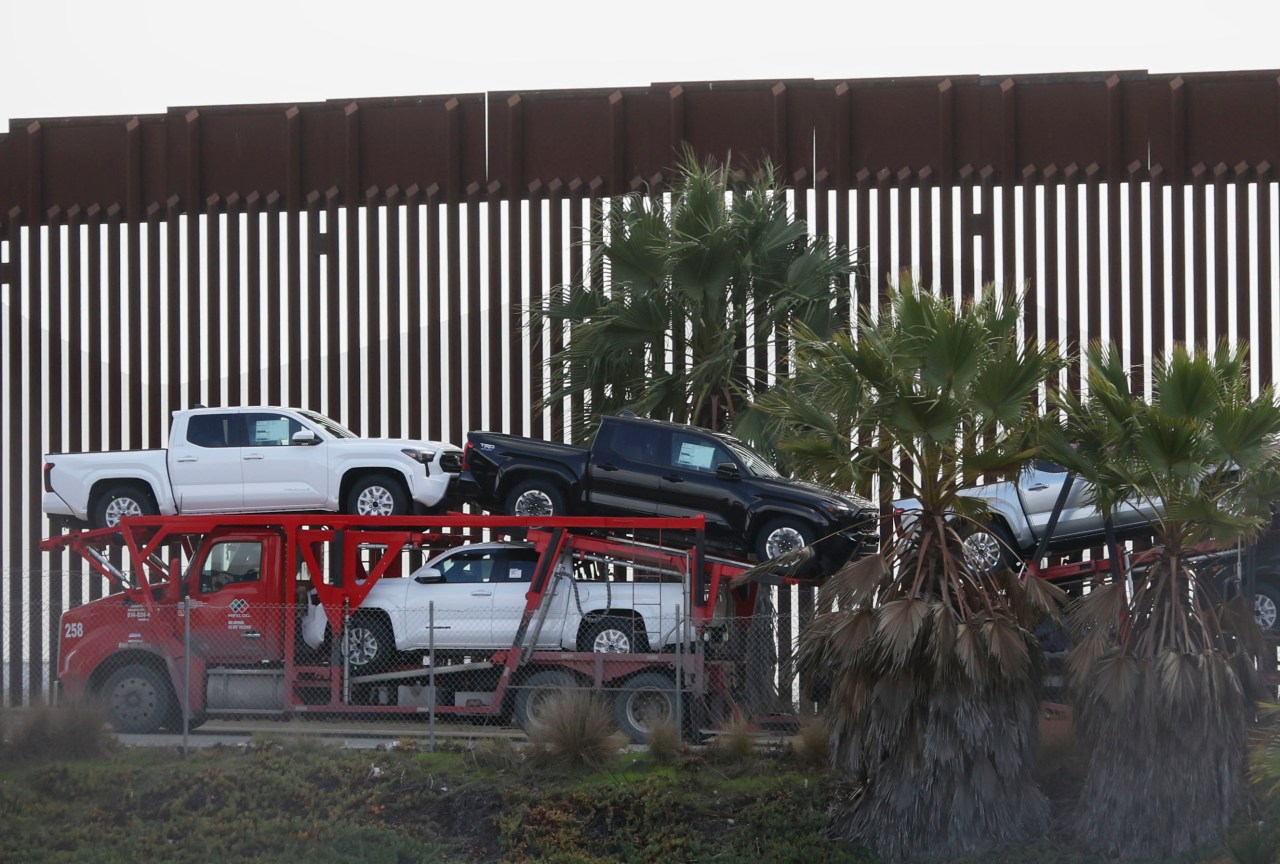
Toyota currently builds Tacomas at a plant near Tijuana, Baja California. That production will shift gradually to San Antonio over about four years, according to Border Report. Tacoma production in Guanajuato, Mexico will continue. San Antonio already assembles the Tundra and Sequoia, and the Tacoma will now join them on a new second line.
The expanded campus will add roughly 150,000 vehicles of annual capacity. Head Topics reported that Toyota expects all 2,000 new jobs to be in place by 2030. The company said the move reflects confidence in the San Antonio region's workforce, not pressure from U.S. tariff policy.
San Antonio's $303 Million Incentive Package Draws Scrutiny
The deal includes about $303 million in local support — tax abatements, grants, refunds, and infrastructure help from CPS Energy and SAWS, according to Border Report. The ten-year tax abatements alone could cost the city more than $150,000 in lost revenue for every job created. That works out to roughly $151,500 per job.
Public officials have flagged the math as a concern. Still, supporters say 2,000 direct jobs — plus the ripple effects through the local economy — justify the cost. Toyota's San Antonio plant already employs thousands and anchors the region's manufacturing base.
Mexico Pushes Back With $500 Million Rival Investment
Mexico did not stay quiet. President Claudia Sheinbaum said Toyota's shift is part of a broader global restructuring — not a tariff-driven retreat from Mexico. Her government announced more than $500 million in new carmaking investments by another automaker, framing it as proof that Mexico remains a competitive manufacturing hub, per Market Screener.
Tacoma production in Guanajuato stays intact, which supports Sheinbaum's argument that Mexico is not being abandoned. The USMCA trade agreement — which governs auto rules between the U.S., Mexico, and Canada — is still being renegotiated, adding uncertainty to the whole region.
A Reshoring Signal With Political and Economic Stakes
Red State called the move a major win for American manufacturing, noting it hands the Trump administration a high-profile example of jobs returning to U.S. soil. Toyota's investment is one of the largest in San Antonio's history. It adds to a growing trend of automakers building or expanding U.S. plants amid tariff pressure and USMCA uncertainty.
The broader picture: U.S. tariffs hit Toyota's bottom line by roughly $9 billion in a single fiscal year. The San Antonio expansion spreads risk and boosts domestic output — but with Guanajuato still running, Toyota is hedging rather than fully reshoring. The next four years will show how much of that bet pays off.
Sentiment
Mostly PositivePublishers
11
Articles
59
Reach
70


