Firefighter Entrapment Crisis
Firefighter Entrapments Reach 20-Year High Amid Record Wildfire Season; Staffing Cuts Cited
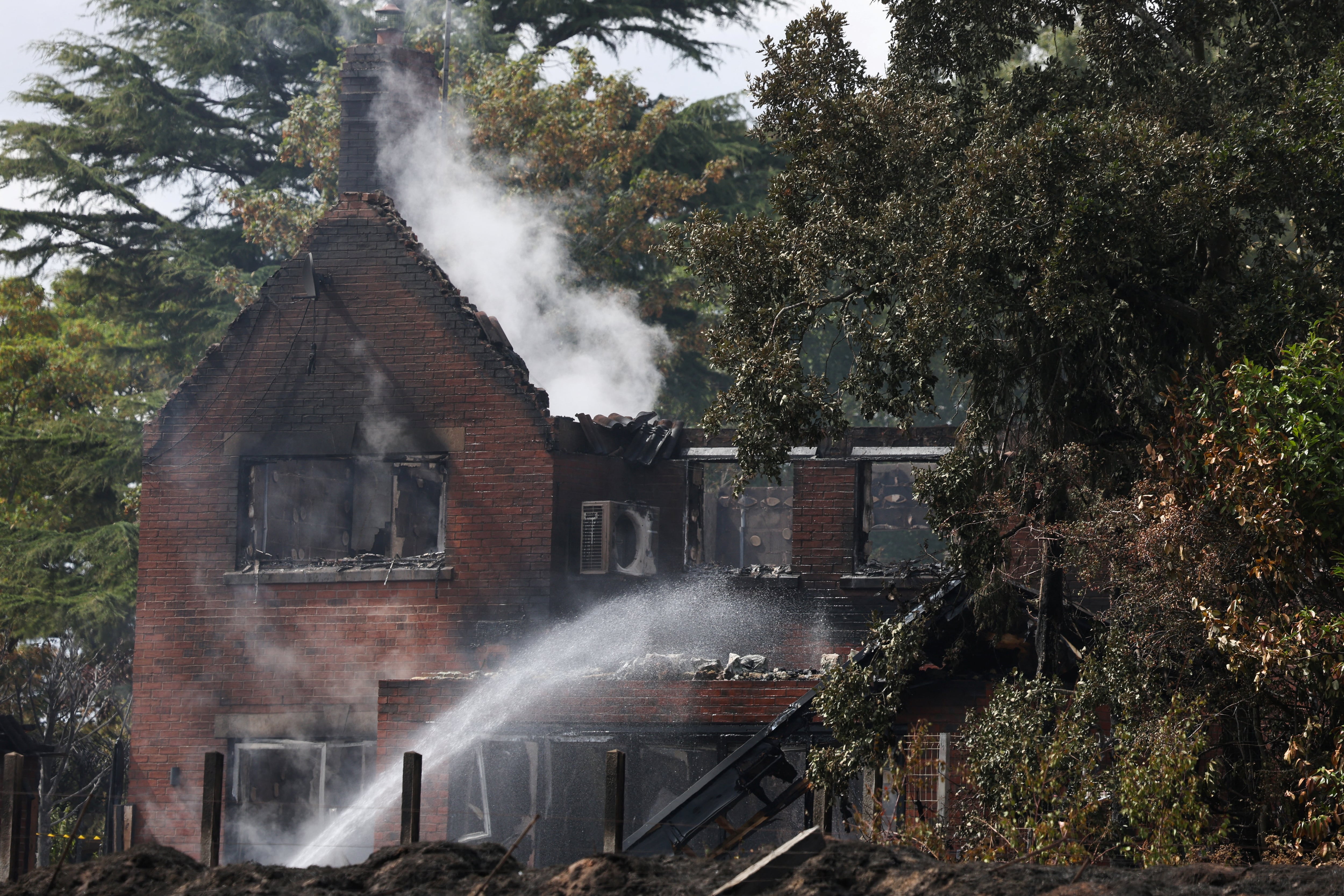
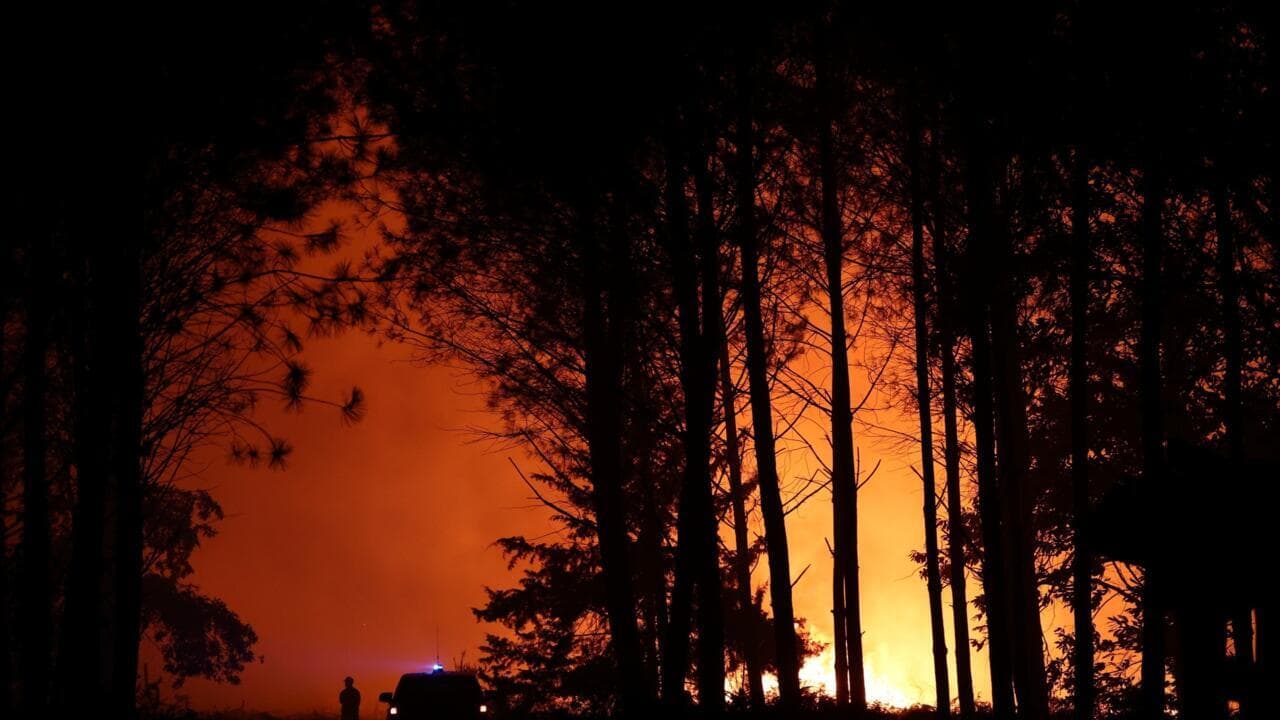
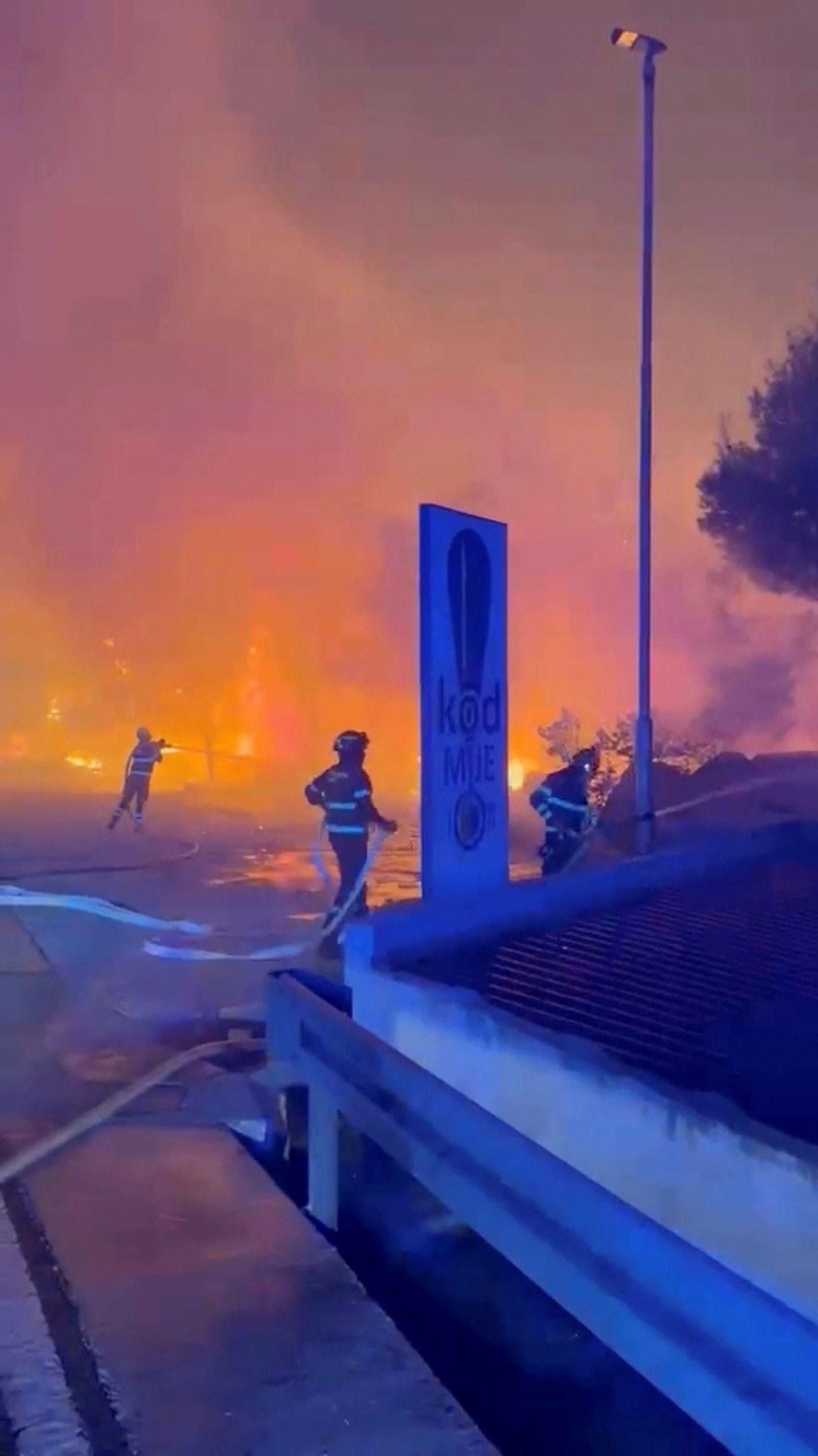
Firefighter entrapments — dangerous situations where flames cut off escape routes — have hit a 20-year high during what is shaping up to be a record wildfire season, according to NWI Times. Seven active and retired firefighters are now speaking out, linking the surge in close calls to Trump administration policies and deep cuts at the U.S. Forest Service.
The alarming trend is raising urgent questions about whether the federal government has enough people and resources to keep firefighters safe on the front lines, Rapid City Journal reports.
Entrapments Reach Highest Level in Two Decades
An entrapment happens when wildfire behavior traps firefighters with no safe way out. These events can be fatal. The fact that entrapments are now at a 20-year peak — during a record fire season — is a serious warning sign, according to Trib. Firefighters who spoke out said the situation on the ground has grown more dangerous in a short period of time.
The record wildfire season has stretched crews thin. Fires are burning faster, hotter, and in more places at once. That leaves individual firefighters more exposed when conditions shift suddenly, Richmond Times-Dispatch reported.
Forest Service Staffing Cuts Blamed for Safety Gaps
Multiple active and retired firefighters pointed directly at U.S. Forest Service staffing cuts as a key cause of the danger. The Forest Service has lost workers in recent months amid broader federal workforce reductions pushed by the Trump administration. Fewer people means less support, less coordination, and fewer safe exits when fires close in, according to Roanoke Times.
Staffing shortages can delay the arrival of backup crews. They can also reduce the number of lookouts — people whose only job is to watch for shifting fire behavior and warn others. Without enough lookouts, firefighters may not get warnings in time, Pantagraph noted.
Trump Administration Policy Draws Direct Criticism
Beyond staffing numbers, firefighters cited a specific Trump administration policy as a concern, though details of the policy were not fully disclosed in available reports. Seven sources — a mix of people still working fires and veterans who have retired — raised the issue, according to Dothan Eagle. The breadth of concern, spanning both active and retired crews, signals that worries are not limited to one group.
Critics argue that policy decisions made in Washington have real consequences for the people holding hoses in the field. When those decisions reduce training, resources, or personnel, the risk of entrapment goes up, Greensboro News & Record reported.
A Record Fire Season Leaves Little Room for Error
This wildfire season is already breaking records in terms of scale and severity. More acres burned means more chances for firefighters to end up in life-threatening spots. The combination of a historically bad fire year and a weakened federal workforce is what experts and crews say is driving entrapments to levels not seen since the early 2000s, according to Star Herald.
The calls from firefighters — active and retired — represent a rare public break from an agency culture that tends to stay quiet. Their willingness to speak out suggests that concern inside the Forest Service has reached a tipping point, Fredericksburg Free Lance-Star reported.
Sentiment
NeutralPublishers
16
Articles
16
Reach
16