Red Sea Oil Disruption
Houthi Blockade Forces Saudi Tankers to Reroute from Red Sea, Escalating US-Iran Oil Supply Concerns
Anonymous
Key Points
1
CENTCOM said U.S. forces have helped facilitate passage of about 900 commercial vessels carrying roughly 450 million barrels of crude oil through the Strait of Hormuz since early May.
2
Jordan intercepted five drones arriving from Iran, signaling intensified regional security concerns alongside the Red Sea tensions.
3
Houthis declared a naval blockade and imposed an embargo 'effective immediately' against Saudi Arabia, raising the risk to Red Sea shipping.
4
Logistics detail: a fully loaded VLCC cannot transit the Suez Canal at full draft; it would first unload about half its cargo into Egypt's Sumed pipeline, then reload at Sidi Kerir before continuing to China.
5
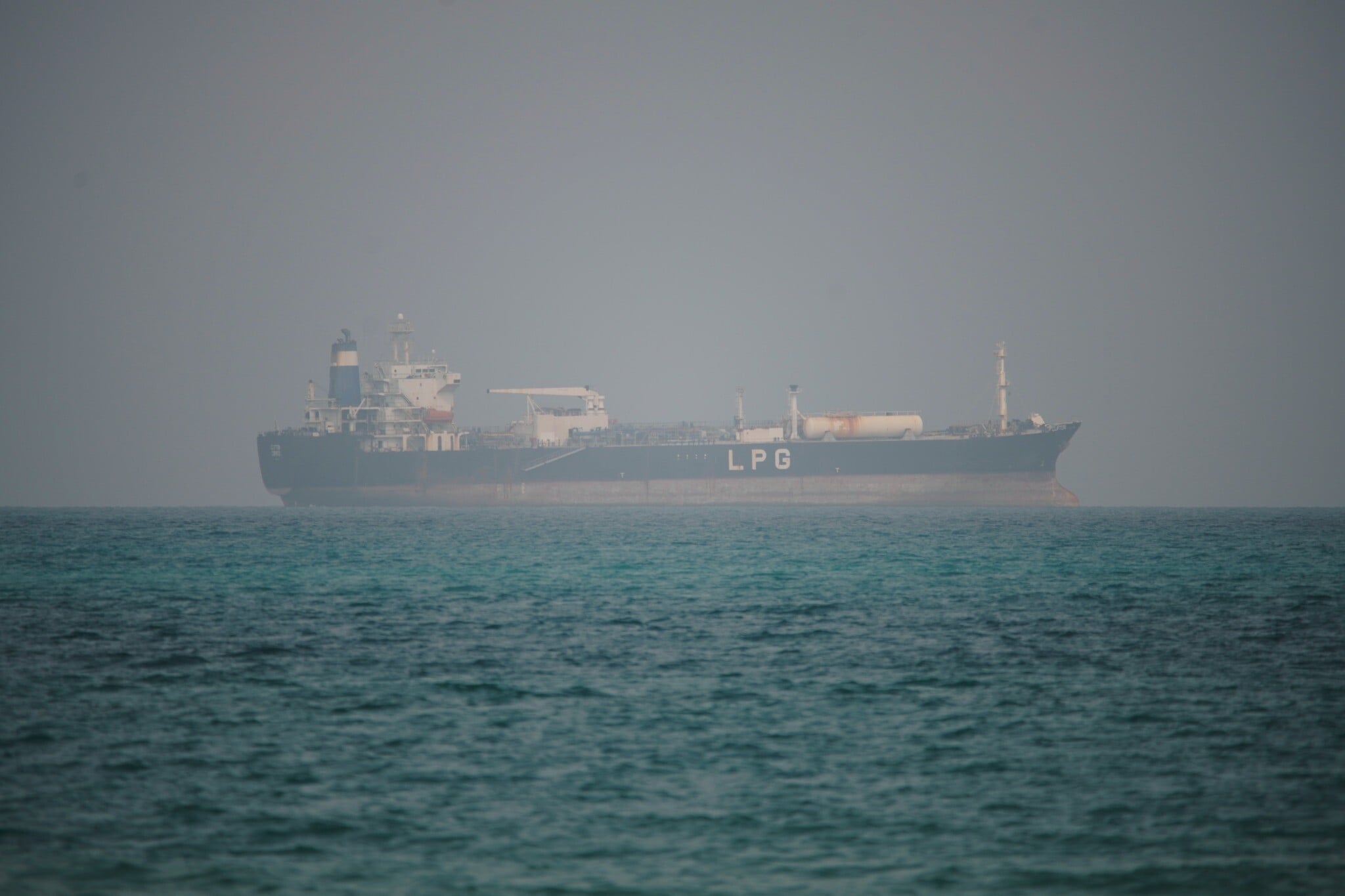
Two Saudi crude carriers bound for China and India reversed course in the Red Sea—Xin Long Yang and Aframax Rodos—heading toward the Suez Canal, with another vessel, New Prime, also turning back off Oman.
Yemen's Houthi rebels declared a naval blockade against Saudi Arabia, forcing two crude oil tankers to reverse course in the Red Sea on Tuesday. The ships — Xin Long Yang and the Aframax Rodos — were bound for China and India when they turned back toward the Suez Canal, according to Reuters.
A third vessel, the New Prime, also turned back off the coast of Oman. The reversals signal a costly new phase in Red Sea shipping disruptions, as the Houthi blockade adds fresh pressure to already strained global energy routes.
Houthis Declare Blockade, Tankers Reverse Course
The Houthi militia announced the naval blockade against Saudi Arabia and said it was "effective immediately," according to Newsmax. Any ship heading to or from Saudi ports was put on notice. Within hours, tankers already in the Red Sea began turning around.
The two reversing tankers headed toward the Suez Canal instead. But getting crude to Asia via Suez is not simple. A fully loaded VLCC — a very large crude carrier — is too heavy to pass through the canal at full capacity. It must first offload roughly half its cargo into Egypt's Sumed pipeline, then reload at the port of Sidi Kerir before continuing east. That adds time and cost to every voyage.
Two Chokepoints Now Threatened at Once
The International Energy Agency warned that rising U.S.-Iran tensions are pushing up global oil supply risk, according to The Epoch Times. Two key shipping chokepoints are now in play: the Bab el-Mandeb Strait at the southern tip of the Red Sea, and the Strait of Hormuz in the Persian Gulf.
Jordan intercepted five drones arriving from Iran, a sign that regional tensions are spreading beyond Yemen. Meanwhile, U.S. Central Command said American forces have helped guide about 900 commercial ships — carrying roughly 450 million barrels of crude oil — through the Strait of Hormuz since early May. That figure shows how much global oil trade depends on keeping these lanes open.
Markets React as Disruption Risk Climbs
Tanker reversals sent a clear signal to energy markets. Shipping and oil prices both reacted to the higher risk of Red Sea closures. Market-implied odds of a major disruption at Bab el-Mandeb rose, according to Yahoo News, as traders priced in the chance that the blockade could hold.
Rerouting adds hundreds of miles and several extra days to voyages. That raises fuel costs and ties up tanker capacity. If more ships are forced onto the longer Suez route, the ripple effect could tighten global oil supply at a moment when the IEA is already sounding the alarm.
US Strikes Aim to Keep Persian Gulf Open
The United States has conducted strikes on Iranian-linked targets in recent weeks to reduce threats to commercial shipping, according to Reuters. Washington says those efforts have kept the Strait of Hormuz open. But the Houthi blockade shows that threats are now coming from multiple directions at once.
Analysts warn the Red Sea crisis could compound the Hormuz threat. Together, the two chokepoints carry a huge share of the world's seaborne oil. Any sustained closure of either route would send energy prices sharply higher and disrupt supply chains from Europe to Asia.
Sentiment
Mostly NegativeNEGATIVENEUTRALPOSITIVE
Publishers
17
Articles
97
Reach
114
A
AnonymousAuthor


