Malacca Strait Secured
Indonesia and Singapore Vow to Keep Critical Malacca Strait Open Amid Global Uncertainties
Anonymous
Key Points
1
In 2025 the Strait of Malacca handled more than 102,500 vessel transits, accounting for about 22% of global maritime trade and carrying roughly 23.2 million barrels of oil per day.
2
The Strait is the world's largest oil chokepoint by transit volume; data from the U.S. Energy Information Administration indicate more than 23 million barrels of oil per day (about 29% of total maritime oil flows) passed through in the first half of last year.
3
Indonesia and Singapore are pursuing broader energy cooperation, including a solar power project on Sulawesi to tap Indonesia's renewable energy potential.
4
The announcements were made during the annual Leaders' Retreat in Jakarta on July 6, 2026, underscoring high-level commitment to keeping Malacca safe and open.
Indonesia and Singapore pledged on July 6, 2026 to keep the Strait of Malacca open for all ships, as global shipping lanes face growing pressure. The announcement came at the annual Leaders' Retreat in Jakarta, where Indonesian President Prabowo Subianto and Singaporean Prime Minister Lawrence Wong made the commitment a top priority. France 24 reported the two leaders described the strait as a critical passage that must stay "accessible" to global trade.
The timing matters. Iran recently announced plans to charge fees on ships passing through the Strait of Hormuz. The Hormuz strait is the world's largest oil chokepoint by transit volume, according to gCaptain. That move has raised fears about what happens when major sea lanes are restricted — and made the Malacca pledge more urgent.
Why the Strait of Malacca Is So Critical
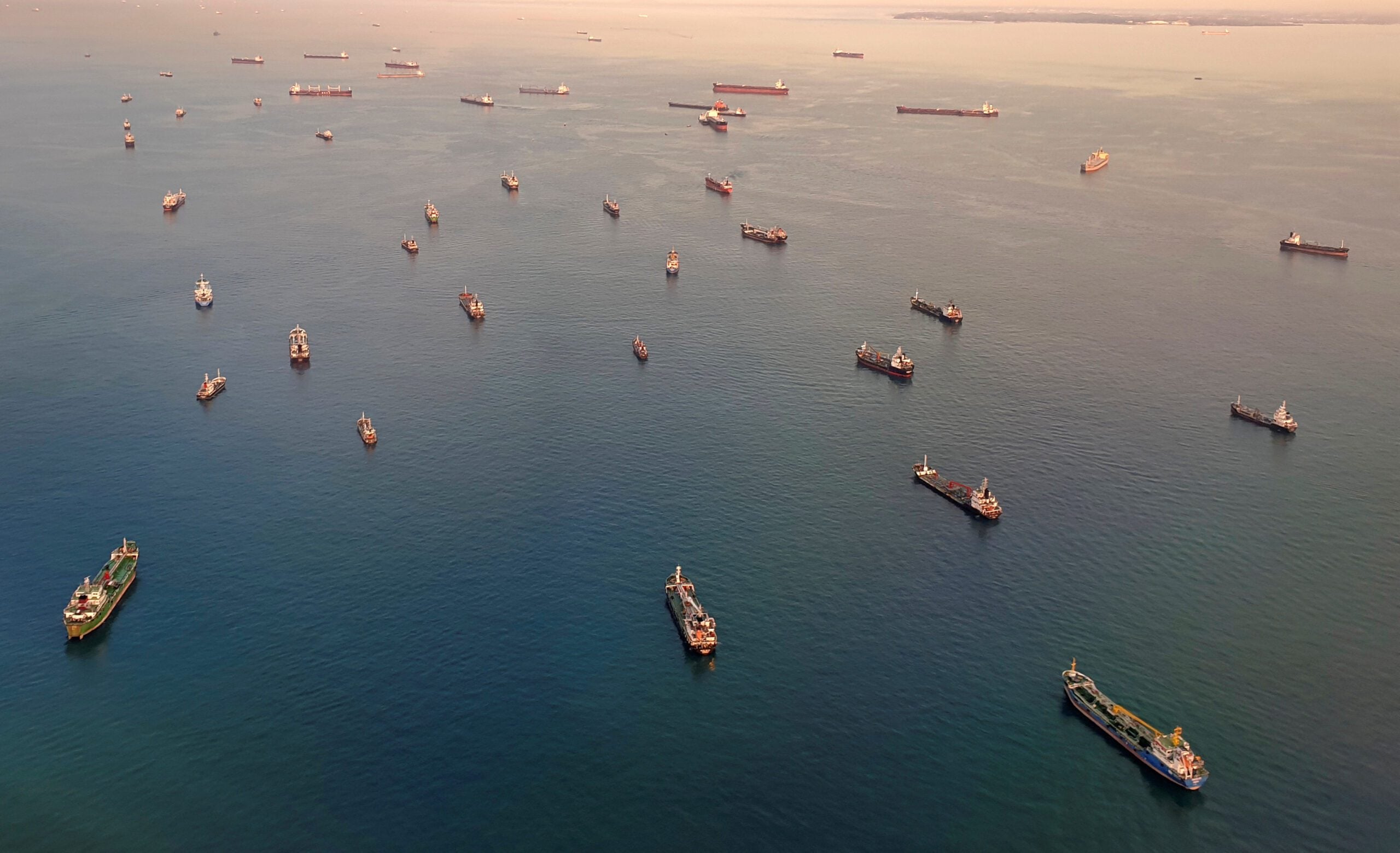
The Strait of Malacca is one of the busiest waterways on Earth. In 2025, more than 102,500 vessels passed through it, according to Head Topics. That equals about 22% of all global maritime trade. Every day, roughly 23.2 million barrels of oil move through the strait. Closing or disrupting it would shake energy markets worldwide.
The strait runs between Malaysia, Indonesia, and Singapore. All three countries, along with Thailand, are littoral states — meaning they border the waterway. Indonesia and Singapore said they will keep coordinating with Malaysia and Thailand to protect freedom of navigation there, in line with the UN Convention on the Law of the Sea, known as UNCLOS.
Iran's Hormuz Fees Add Pressure on Global Sea Lanes
Iran's plan to charge ships fees in the Strait of Hormuz has rattled shipping companies and energy traders. The U.S. Energy Information Administration found that more than 23 million barrels of oil per day — about 29% of all maritime oil flows — passed through Hormuz in the first half of last year. Any disruption there sends buyers scrambling for alternatives.
That threat makes Malacca even more important. Ships rerouting away from Hormuz would lean heavily on Malacca to reach Asia. Head Topics Singapore noted that Wong and Prabowo directly linked the Hormuz situation to their pledge on Malacca, saying regional stability depends on keeping multiple key sea lanes open.
Anti-Piracy and Safety Cooperation Already Underway
The two leaders did not just make promises — they pointed to real work already happening. Indonesia and Singapore cooperate on anti-piracy patrols, search and rescue operations, and pollution protection in the strait. These are ongoing programs, not new announcements. The goal is to make the passage safe not just legally open, but practically safe for ships day to day.
Head Topics reported that both sides emphasized ASEAN centrality — meaning they want Southeast Asian countries to lead on regional security, not outside powers. That framing matters as great-power competition intensifies across Asia. Keeping Malacca safe is both a practical goal and a political signal.
Broader Ties Include a Sulawesi Solar Energy Deal
The Jakarta retreat covered more than maritime security. Indonesia and Singapore also pushed forward on energy cooperation. One key project: a solar power development on the Indonesian island of Sulawesi. The plan would tap Indonesia's large renewable energy potential and eventually export clean power to Singapore.
The solar deal shows how the two countries are deepening ties beyond security. Trade, energy, and stability are all connected in their thinking. France 24 noted the leaders framed the entire meeting around making sure geopolitical uncertainty — from the Middle East to the South China Sea — does not derail Southeast Asia's growth.
Sentiment
Mostly PositiveNEGATIVENEUTRALPOSITIVE
Publishers
14
Articles
19
Reach
33
Topics
A
AnonymousAuthor


