Generic Drug Tariff Pause
Trump: Generic Drugs Exempt from US Tariffs for Two Years, Then Face High Rates
Anonymous
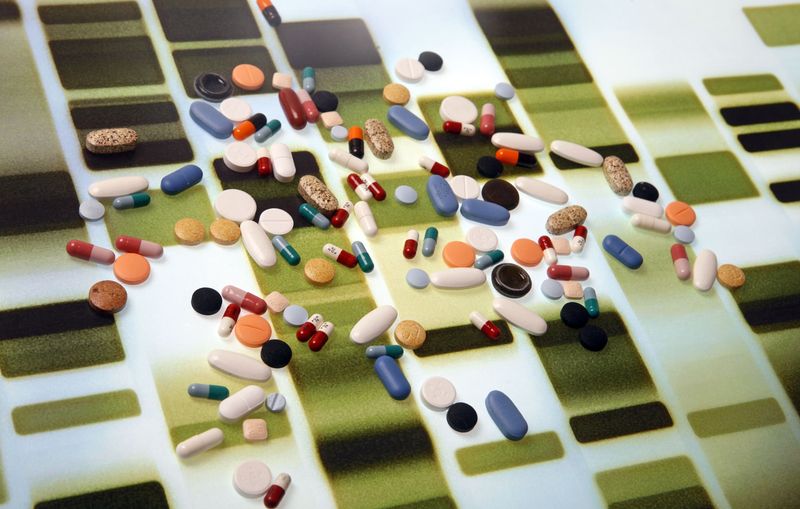
President Donald Trump announced Tuesday that all generic drugs imported into the U.S. will face zero tariffs for two years starting August 1, according to Reuters. After that grace period ends, rates will climb steeply — rising to 100% and eventually 200%.
The move gives drugmakers and supply chains time to adjust before the tariffs hit hard. Generic drugs make up roughly 90% of all prescriptions filled in the U.S., meaning the eventual rate hikes could have wide impact on medicine costs for millions of Americans.
A Two-Year Window Before Tariffs Spike
Trump said the 0% tariff rate on generic drugs will run from August 1 through roughly mid-2027. After that, the rate jumps to 10%, according to WHBL. The tariff then keeps climbing, eventually reaching 100% and later 200% in later stages of the plan.
The phased approach is designed to give manufacturers time to shift production back to the United States. Trump has long argued that the U.S. relies too heavily on foreign countries — especially India and China — to make its drugs.
Why Generic Drugs Are at the Center of This Fight
Generic drugs are lower-cost copies of brand-name medicines. They go on sale after a brand drug's patent expires. Because they are cheaper, they account for about 9 in 10 prescriptions written in the U.S. each year.
A large share of generic drugs sold in the U.S. are made abroad. India is the biggest supplier, followed by manufacturers in China. Trump has argued that this dependence is a national security risk — that the U.S. could face drug shortages if ties with those countries break down.
Tariff Plan Aims to Push Drug Makers Back to U.S.
The 200% end-rate is meant to make importing generic drugs so expensive that it stops being worth it, according to WIFC. The goal is to force companies to build or expand factories inside the United States instead.
But critics warn that building new drug factories takes years and billions of dollars. If production does not shift fast enough, tariffs at 100% or 200% could drive up the price of common medicines once the grace period ends in 2027.
What Happens When the Clock Runs Out in 2027
The two-year window is meant to cushion the blow for now. Patients should not see price increases tied to these tariffs before mid-2027, according to Northland News Radio. But drugmakers and pharmacy chains will need to plan quickly for what comes after.
Trump has used tariffs as a key tool across many industries since returning to office. This pharmaceutical plan follows a similar playbook — a short pause, then sharp increases meant to pressure companies into moving operations back to American soil.
Sentiment
NeutralNEGATIVENEUTRALPOSITIVE
Publishers
10
Articles
10
Reach
10
A
AnonymousAuthor


