Northern Link Progress
Nukik Corp. Welcomes Nunavut-Manitoba MOU Advancing Kivalliq Hydro-Fibre Link for Energy and Connectivity
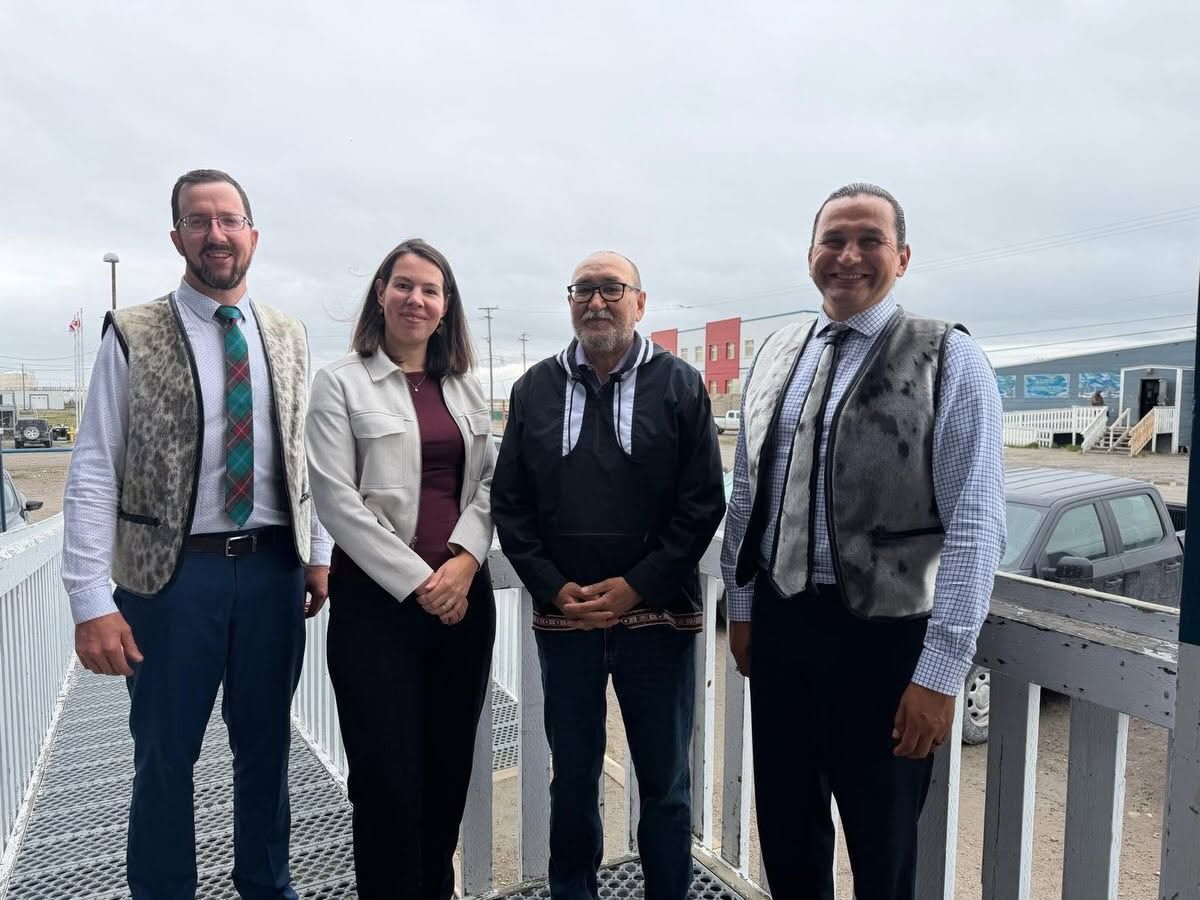
Nunavut and Manitoba have signed a Memorandum of Understanding (MOU) to advance the Kivalliq Hydro-Fibre Link (KHFL), a major energy and communications corridor connecting the two territories. The deal reaffirms Manitoba's commitment to supply 50 megawatts of firm electric capacity to Nunavut — enough to power thousands of homes currently relying on costly imported diesel, according to National Post.
Nukik Corporation, the fully Inuit-owned company behind the project, welcomed the signing as a landmark step. The KHFL is described as the most advanced northern intertie project in Canada. It would give Nunavut its first-ever connection to Canada's national electricity grid and terrestrial fibre network.
What the Kivalliq Hydro-Fibre Link Actually Does
The KHFL is a proposed corridor stretching from Manitoba into Nunavut's Kivalliq region. It would carry two things: clean hydroelectric power and high-speed fibre internet. Right now, Kivalliq communities burn imported diesel to generate electricity. That fuel is expensive, polluting, and unreliable. The KHFL would replace much of that diesel with clean hydro power from Manitoba, according to Toronto Sun.
The fibre portion is equally important. Many Kivalliq communities have no fast internet connection at all. A terrestrial fibre line would change that, opening access to telehealth, education, and economic opportunity. The project addresses two of the most critical infrastructure gaps in Canada's North at once.
Inuit Ownership Sits at the Heart of This Deal
Nukik Corporation is fully owned by the Kivalliq Inuit Association (KIA). That makes the KHFL one of the largest Inuit-owned infrastructure projects in Canadian history. The MOU builds on years of cooperation among the Government of Nunavut, the Government of Manitoba, and the KIA, according to Fort McMurray Today.
Inuit ownership means the economic benefits of the project stay in the community. Revenue from energy transmission and fibre services would flow back to Kivalliq Inuit rather than outside investors. This model is seen as a blueprint for how northern infrastructure projects should be structured going forward.
Manitoba Locks In 50 Megawatts for Nunavut
The MOU formally reaffirms Manitoba's pledge to deliver 50 megawatts of firm electric capacity to the project. "Firm" capacity means the power is guaranteed — it flows even when the wind is calm or the sun is down. That reliability is critical for Arctic communities where power outages can be life-threatening, according to Stratford Beacon Herald.
Manitoba Hydro has some of Canada's largest hydroelectric reserves. Connecting those reserves to Nunavut via the KHFL would dramatically reduce the Kivalliq region's carbon footprint. It would also cut energy costs that are among the highest in the country.
Next Steps Toward Canada's Most Ambitious Arctic Link
The MOU signing is a political commitment, not yet a construction contract. But it signals serious momentum. The KHFL has now cleared a significant hurdle by securing formal backing from two provincial and territorial governments, according to Pincher Creek Echo.
Supporters say the project will stimulate long-term economic development across the Kivalliq region. With clean energy, fast internet, and Inuit ownership all built in, the KHFL is being called a once-in-a-generation chance to reshape life in Canada's Arctic. The next milestone will be securing federal funding and finalizing a project development agreement, according to Daily Herald Tribune.
Sentiment
NeutralPublishers
7
Articles
6
Reach
7


