Hurricane Katrina Anniversary
Today in History: Remembering When Hurricane Katrina Struck Louisiana in 2005
Anonymous
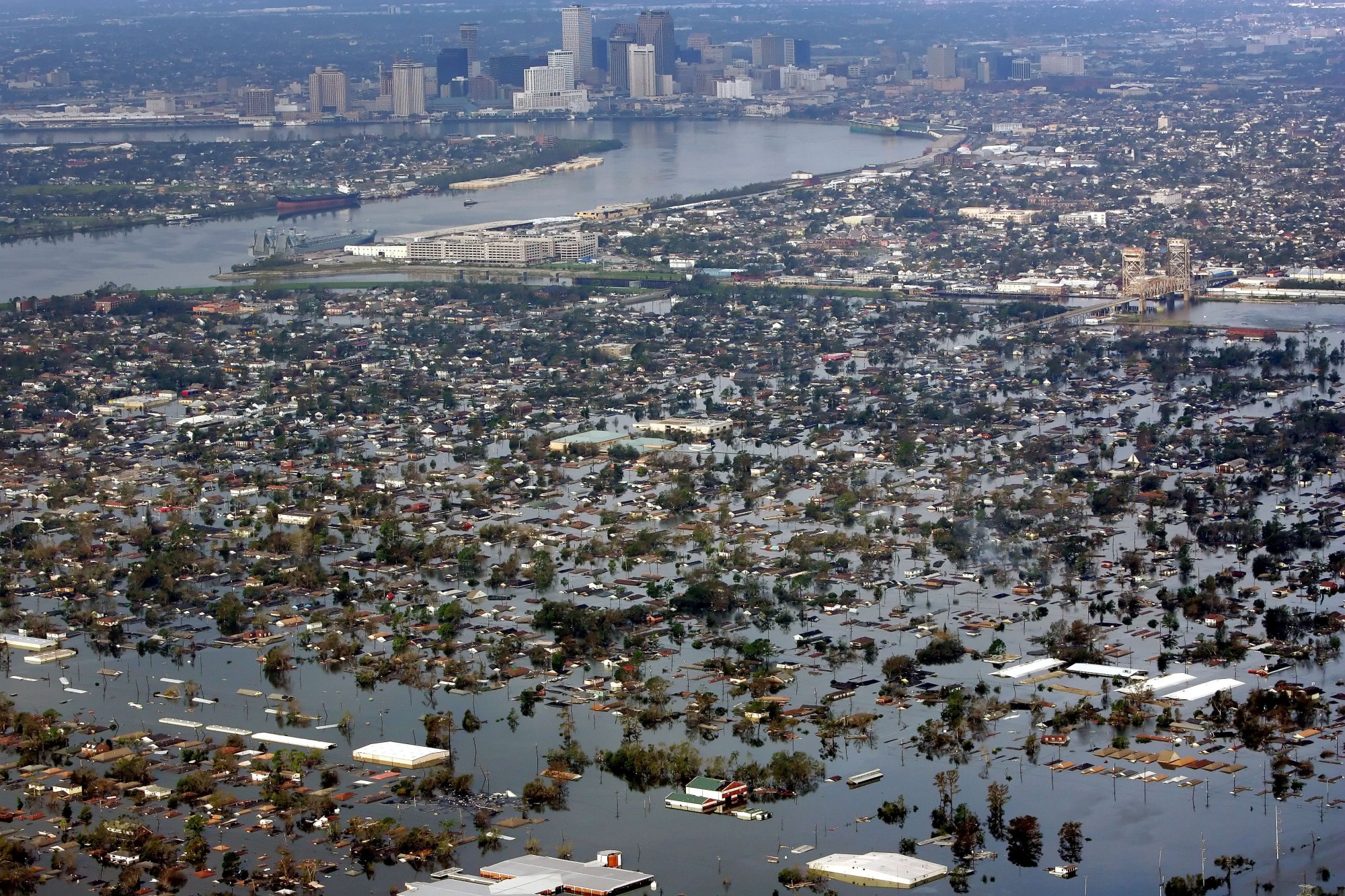
On August 29, 2005, Hurricane Katrina struck the U.S. Gulf Coast in southeast Louisiana, leaving behind one of the deadliest and costliest natural disasters in American history. The storm caused nearly 1,400 deaths and an estimated $200 billion in damage, according to Erie News Now, reshaping the region's landscape and response to extreme weather for decades to come.
A Storm That Changed America
Hurricane Katrina made landfall on the morning of August 29, 2005, as a powerful storm system. It struck southeast Louisiana with devastating force. The hurricane brought massive flooding to New Orleans and surrounding parishes. Levees failed across the city. Thousands of residents were trapped in their homes and on rooftops waiting for rescue.
The storm's impact extended far beyond Louisiana. It forced evacuations across multiple states. Recovery efforts lasted years. Insurance claims and rebuilding costs reached historic levels. The disaster revealed weaknesses in emergency response systems and disaster preparedness nationwide.
The Human Toll and Long Recovery
Nearly 1,400 people died in Hurricane Katrina and its aftermath. Most deaths came from drowning and exposure in the flooded city. Erie News Now reported the storm caused an estimated $200 billion in damage, making it one of the costliest hurricanes ever. Entire neighborhoods were destroyed. Families were separated during evacuation. Many residents never returned to their homes.
Rebuilding New Orleans took a decade. The city's population dropped by hundreds of thousands. Public schools and hospitals closed permanently. Small businesses shut down. Communities that once thrived faced economic collapse. Yet the city gradually recovered, though it was fundamentally changed by the storm.
Sentiment
NeutralNEGATIVENEUTRALPOSITIVE
Publishers
6
Articles
6
Reach
6
Topics
A
AnonymousAuthor


